
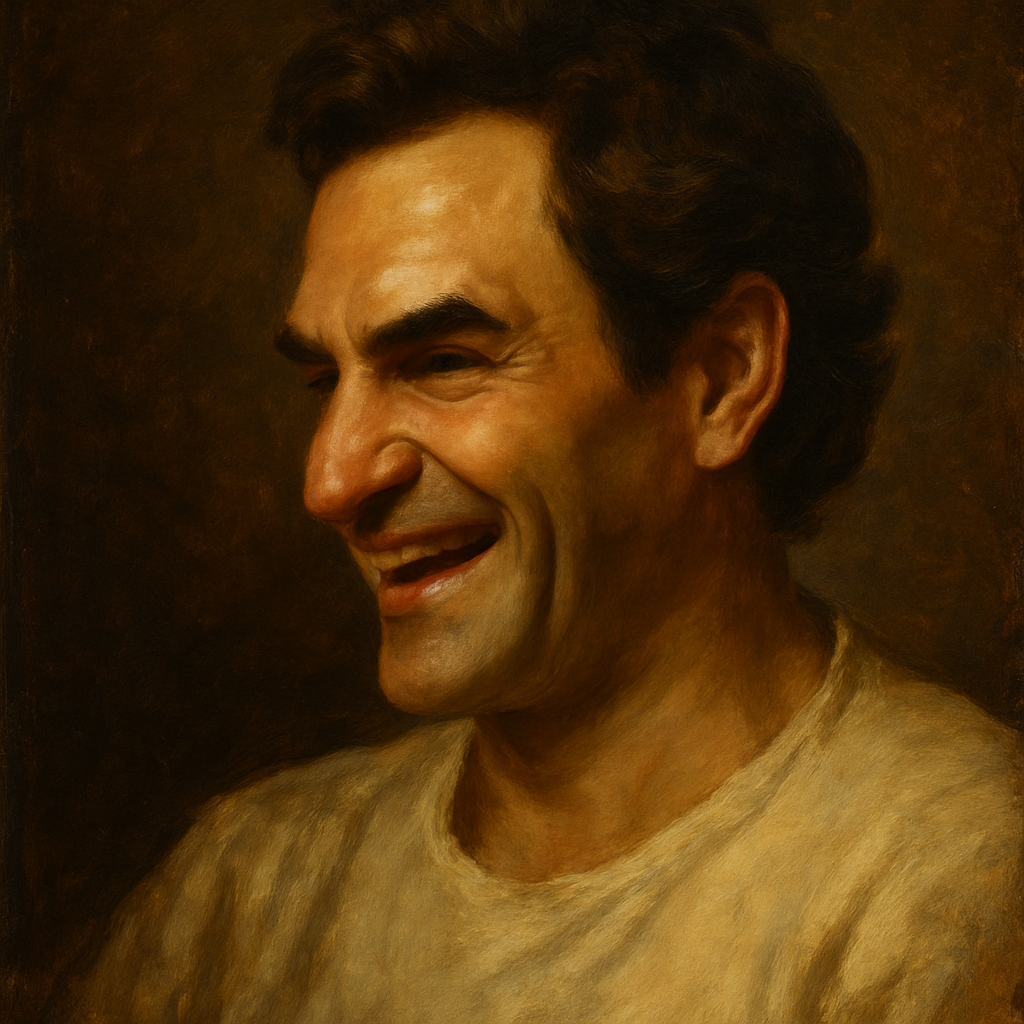
MELBOURNE — For years, the Australian Open has proudly worn its reputation as tennis’s most innovative and fan-friendly Grand Slam. Dubbed the 'Happy Slam' by the late, great Roger Federer, it has pioneered night sessions, on-court analytics, and a festival atmosphere that has seen it christened the 'Glastonbury of tennis'. Yet, as the tournament continues its relentless ascent, recent innovations and commercial pressures have sparked a murmur of discontent, raising the question: where does the Australian Open go next, and at what cost to its soul?
The 2024 edition provided a microcosm of this tension. Record-breaking crowds flocked to Melbourne Park, drawn by a 15-day schedule for the first time, extended sessions pushing past 3 a.m., and a vibrant precinct buzzing with live music and entertainment. Tournament director Craig Tiley declared it a triumph of "giving the fans what they want." But beneath the surface, debates simmered. The marathon matches, particularly in the new Day 1 Night Session format, left players and ball kids exhausted. A controversial proposal to trial a best-of-five-sets format for women’s finals resurfaced, and the sheer scale of the event prompted some to wonder if the tournament’s relentless growth was beginning to strain its celebrated player-fan connection.
The Innovation Engine: Pushing Boundaries or Breaking Points?
The Australian Open’s identity is built on a foundation of bold changes. It was the first Slam with a retractable roof, the first to introduce electronic line-calling on all courts, and a pioneer in using data analytics like ‘Win Probability’ for broadcast. The expansion to 15 days, aimed at reducing late finishes, was the latest in this line. However, the law of unintended consequences bit hard. The extra day did not alleviate the schedule; it created a new, grueling "Day 1 Night Session" where matches finished at 3:44 a.m. World No. 1 Iga Świątek was among the critics, stating, "It's not pretty for the players... we have to accept it but for sure it's not healthy."
The push for more content and longer sessions is driven by broadcast deals and on-ground revenue, but it risks alienating the very athletes who are the main attraction. The player experience, once a hallmark of the Happy Slam, is showing cracks. Beyond the schedule, other innovations have drawn mixed reviews:
- The 'Party Court': While popular with fans, the loud, music-filled atmosphere on Court 6 has been a distraction for players competing on adjacent courts.
- Extended Grounds: The sprawling park, while impressive, can feel corporate and overwhelming, a far cry from the intimate feel of Wimbledon or Roland-Garros.
- Data Overload: While insightful, the constant on-screen analytics can sometimes feel like it's quantifying the poetry out of the sport.
The Five-Set Debate: Equality or Anachronism?
One of the most persistent questions in tennis resurfaced with vigor in Melbourne: should women play best-of-five sets in Grand Slam finals? Proponents, including notable figures like former champion John McEnroe, argue it would bring prize money and prestige into full alignment with the men's game, creating epic, legacy-defining matches. However, the proposal is met with fierce resistance from most current players and advocates for women's sport. The concerns are multifaceted:
- Physical Toll: The WTA calendar is already brutally packed. Adding the physical demand of potential five-set marathons, especially in the heat of Melbourne, raises serious injury concerns.
- Scheduling Chaos: With match lengths becoming unpredictable, fitting women's finals into prime-time TV windows would become a broadcaster's nightmare.
- Equality Misplaced: Many argue true equality means valuing the existing best-of-three format as a distinct, compelling product, not mimicking the men's game. As tennis legend Martina Navratilova has quipped, "It's about quality, not quantity."
The debate highlights a central tension: is innovation about enhancing the sport's core, or is it about manufacturing spectacle for entertainment's sake? For now, the WTA and players remain firmly against the change, with the focus instead on achieving equal prominence and promotion for the women's best-of-three finals.
The Festival Model: A Delicate Balance
The 'Glastonbury' comparison is no accident. The AO's grounds thrum with energy from music stages, celebrity chef restaurants, and immersive fan zones. This festival model has been a commercial masterstroke, attracting a broader, younger audience who come for the experience as much as the tennis. Craig Tiley has explicitly stated the goal is to be "the world's greatest annual entertainment event." But this shift in focus carries risks. Does the tennis become secondary to the spectacle? Purists worry the constant noise and peripheral activities dilute the intensity of Grand Slam competition.
The 2024 tournament saw record corporate hospitality sales and ground pass attendance. Financially, it's an undeniable success story. Yet, this commercial engine demands constant fuel—more night sessions, more stadium courts, more premium experiences. This expansion can create a two-tiered experience: luxurious for corporate clients and logistically challenging for the average fan navigating crowded walkways and pricey amenities.
Conclusion: The Crossroads of the Happy Slam
The Australian Open stands at a crossroads. Its path of innovation and entertainment has propelled it to incredible heights, making it a financial powerhouse and a fan favorite. However, the signs of strain are visible. The challenge for Tennis Australia is to navigate its next phase of growth without sacrificing the elements that made it special in the first place: its player-friendly reputation, the integrity of its sporting contest, and its accessible, joyful atmosphere. The future may lie not in ever-later nights or more sets, but in smarter scheduling, investing in player welfare, and ensuring the festival atmosphere complements, rather than overwhelms, the world-class tennis at its heart. The goal should be to refine the Glastonbury model, not be consumed by it, ensuring the Happy Slam retains its smile for players and purists alike, even as it throws the biggest party in tennis.