
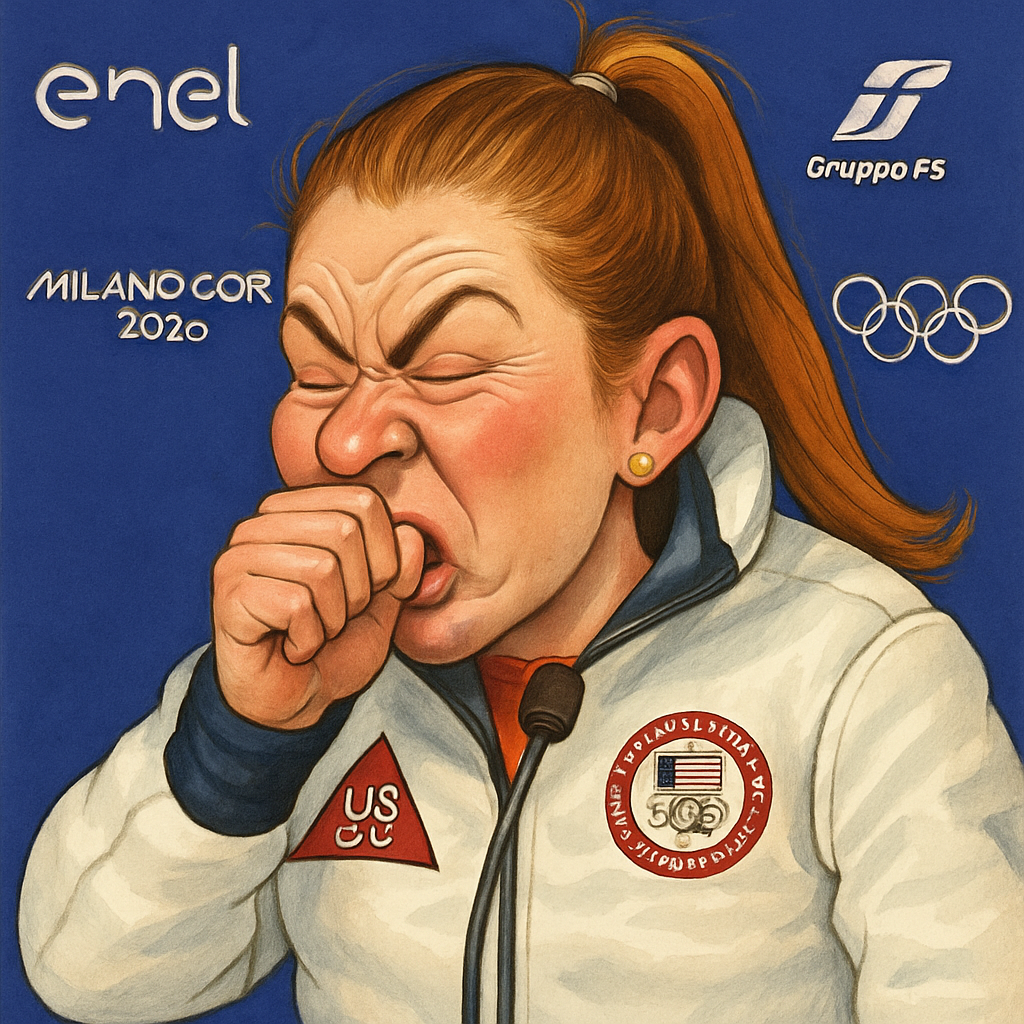
BEIJING — In a moment of raw vulnerability that transcended the typical post-victory press conference, American skiing legend Mikaela Shiffrin opened her heart to the world after securing a historic gold medal in the women's combined event at the 2022 Winter Olympics. The triumph, her third Olympic gold, was immediately overshadowed by an emotional wave of grief and remembrance for her father, Jeff Shiffrin, who passed away unexpectedly in 2020.
The 27-year-old star, often noted for her poised and analytical demeanor, struggled to contain her emotions as she spoke about the profound absence she felt at the pinnacle of her career. Her heartfelt words resonated globally, drawing an outpouring of support from fans and fellow athletes alike, including a touching message of solidarity from world No. 1 tennis player Iga Świątek.
A Victory Forged in Grief
Shiffrin’s path to the Beijing Games was arguably the most challenging of her life. In February 2020, her father, Jeff, died following an accident at the family home in Colorado. The loss sent Shiffrin into a tailspin, forcing her to confront questions about her future in the sport she loved. The 2022 Olympics became not just a competition, but a deeply personal journey of perseverance.
After a stunning and uncharacteristic DNF (Did Not Finish) in her first three events in Beijing—the giant slalom, slalom, and super-G—the pressure and scrutiny were immense. Many wondered if the weight of expectation and grief was too much. Then, in the combined event, which merges one run of super-G with one run of slalom, Shiffrin found a sliver of her legendary focus. She skied a blistering slalom run to climb from fifth place after the speed portion and clinch the gold medal.
"I Was Just Thinking About My Dad"
Standing atop the podium, the American national anthem playing, Shiffrin’s mind was elsewhere. In the subsequent press conference, her voice frequently broke as she described the moment. "I was just thinking about my dad," she said, tears welling in her eyes. "The last couple of years, every single day, there's not a single thing that I do that I don't think about him."
She described the complex emotions of achieving a lifelong dream without her biggest supporter present to witness it. "He would be proud, but it's just... it's really hard to explain," Shiffrin continued. "It's not just the happy moment that you see on TV. It's everything that goes into it, and he was a part of all of that."
An Outpouring of Global Support
The interview quickly went viral, touching hearts far beyond the world of alpine skiing. Among those moved was Polish tennis superstar Iga Świątek, who has been open about her own mental health journey and the importance of balancing professional pressure with personal well-being.
Taking to social media, Świątek posted a message of unequivocal support. She shared a clip of Shiffrin’s emotional interview with the caption: "This is why sport is more than just winning. Respect @MikaelaShiffrin. Sending you a hug." The gesture highlighted a powerful cross-sport connection between two athletes who, despite their different disciplines, understand the immense psychological toll of elite performance.
The Weight of Expectation
Shiffrin’s Beijing experience underscored the often invisible struggles athletes face. Her initial setbacks were met with a barrage of criticism and speculation, a stark contrast to the empathy shown after her emotional gold-medal revelation. This dichotomy sparked broader conversations about:
- The immense pressure placed on Olympic favorites.
- The human side of athletes often obscured by results.
- How grief and trauma manifest in high-stakes environments.
- The importance of mental health support in sports.
Shiffrin herself became a reluctant but powerful advocate for this perspective, using her platform to show that strength and vulnerability are not mutually exclusive. "It's OK to not be OK, even when you win," her experience seemed to say.
A Legacy Beyond the Medals
While the gold medal cemented Shiffrin’s status as one of the greatest alpine skiers of all time—tying her for the most Olympic medals by an American skier—her legacy from Beijing may be defined by something more profound. Her willingness to publicly share her grief created a rare moment of authentic human connection in the often-polished world of professional sports.
In the months following the Olympics, Shiffrin has continued to honor her father's memory. She has spoken about keeping a journal to "talk" to him, and she often points to the sky after races, a silent tribute. Her performance, both on the snow and in front of the microphone, served as a poignant reminder of what drives many athletes: the people they love and the memories they carry.
Conclusion: Redefining Strength
Mikaela Shiffrin’s heartbreaking interview after her gold medal in Beijing did more than just explain her tears; it redefined what it means to be a champion. It showcased that true resilience isn't about suppressing emotion, but about moving forward with it, allowing personal history to fuel rather than hinder greatness.
The support from figures like Iga Świątek, who recognized the universal struggle within Shiffrin's specific pain, amplified the message. It underscored a growing shift in athletics where mental fortitude is increasingly seen not as stoicism, but as the courage to face one's whole self—joy, sorrow, and all—under the brightest lights. In winning gold while openly grieving, Shiffrin gave a masterclass in both skiing and humanity.