
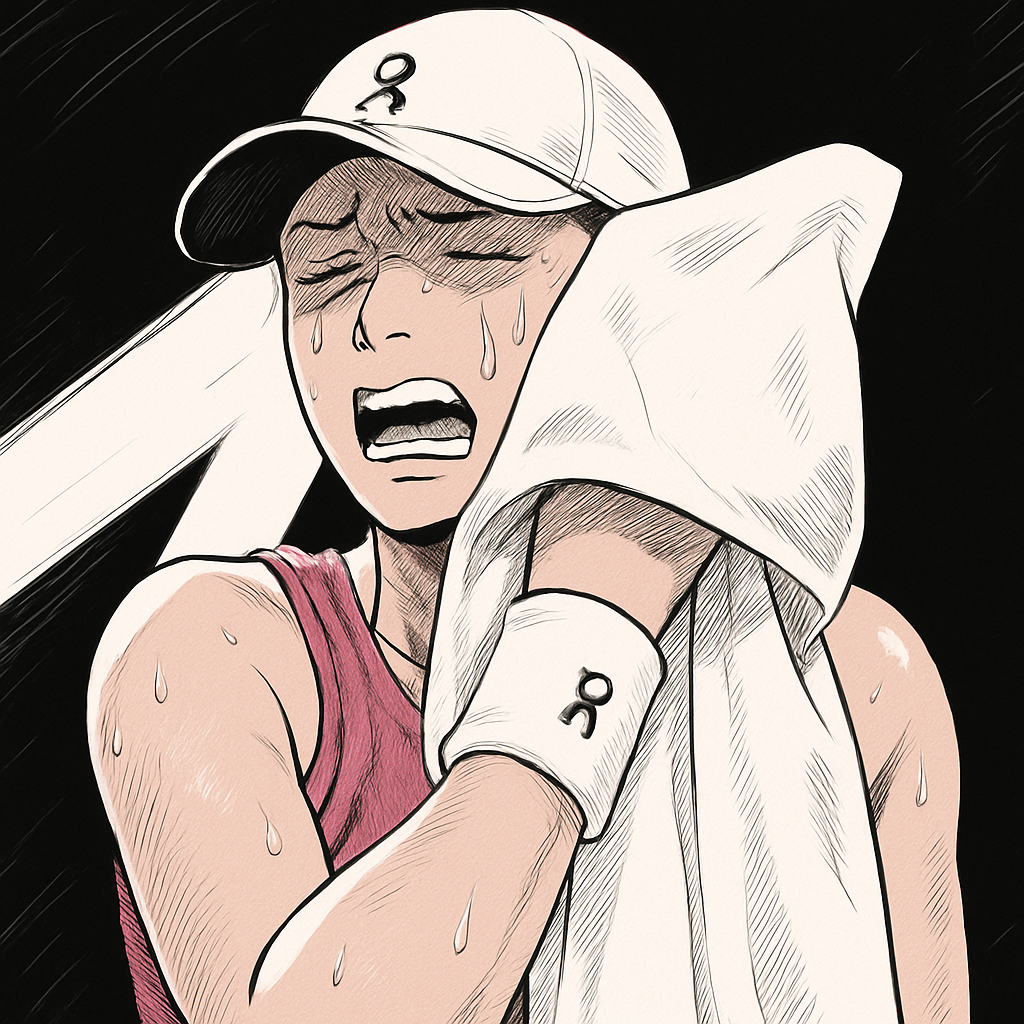
LONDON — As the 2026 tennis season gets underway, a familiar and urgent chorus is rising from the locker rooms and press conferences of the ATP and WTA Tours. The sentiment, captured starkly by world number three Carlos Alcaraz after a gruelling late-night finish in Beijing last autumn, is one of growing alarm: "We need to protect players," he declared, echoing a plea heard from stars like Daniil Medvedev, Iga Świątek, and a weary Andy Murray.
The issue is player burnout, and the sport is at a critical juncture. The calendar, swollen with mandatory events, exhibitions, and an ever-expanding Grand Slam schedule, is pushing athletes to a physical and mental breaking point. With the 2026 season marking the full implementation of controversial new calendar structures, BBC Sport analyses the root causes of this crisis and explores potential solutions to prevent the sport from breaking its most valuable asset: its players.
The Perfect Storm: A Calendar at Capacity
The modern professional tennis schedule is a relentless gauntlet. The core issue is a fundamental conflict: the pursuit of revenue and growth for tournaments versus the biological limits of the human body. The ATP and WTA have lengthened seasons, with the final event now concluding in early December, leaving barely a month of off-season. Furthermore, Grand Slams have expanded: Wimbledon and the Australian Open have introduced play on the middle Sunday, eliminating a traditional rest day, and the US Open has stretched its first round over three days, prolonging the event.
This creates a scenario where top players who go deep in tournaments can face:
- Consecutive weeks of best-of-five-set matches at Slams.
- Mandatory attendance at Masters 1000 events, with severe financial penalties for skipping.
- Long-haul international travel across continents with minimal recovery time.
The result is an epidemic of injuries. In 2025, over 65% of the men's top 20 and a similar proportion of the women's top 20 missed at least one significant tournament due to injury. As sports scientist Dr. Marcus O'Sullivan notes, "The data shows a clear correlation between calendar density and soft-tissue injuries. The body's repair mechanisms cannot keep pace with the load."
The Financial Trap: Play More, Earn More
Compounding the physical demand is the economic structure of the sport. While top-10 players earn millions, the majority of the tour struggles to break even. This creates immense pressure to play every week. The introduction of "mandatory" tournaments with high participation fees for top-ranked players removes their autonomy to schedule rest.
Daniil Medvedev has been vocal about this paradox: "We are told we are independent contractors, but then we are forced to play where the tour says, or we lose huge money and ranking points. If you are not in the top 50, you play to afford your team and travel. If you are in the top 10, you play because you are forced to. Where is the rest?"
This system disproportionately affects mid-tier players and comebacks from injury. A player returning from a six-month layoff must immediately play lower-tier Challenger or ITF events to regain ranking, often on a punishing week-to-week schedule just to earn points and prize money to survive.
Potential Solutions: A Roadmap for Reform
Avoiding breaking point requires bold, collaborative action from the Grand Slams, ATP, WTA, and ITF. The solutions are complex but necessary. First and foremost is calendar rationalization. Proposals include:
- A genuine off-season of 8-10 weeks with no official tournaments or team events.
- Reducing the number of mandatory events and allowing more flexible scheduling.
- Strictly enforcing scheduling to avoid late-night match finishes.
Innovation in Scheduling and Rules
Second, innovation in match format could provide relief. While best-of-five sets remains the ultimate test at Slams, there is a growing argument for introducing best-of-three sets in earlier rounds for men, as the women's tour employs. Furthermore, the successful trial of a "shot clock" between points should be expanded to include a strict clock for changeovers and medical time-outs to prevent unnecessary prolonging of matches.
Third, a revised financial model is critical. Increasing prize money at the lower levels of the sport (Challenger and ITF tours) would reduce the pressure to play every week. A more equitable distribution of the sport's massive revenues, particularly from Slams and media rights, could fund player health insurance and pension schemes, providing long-term security.
The Role of Technology and Data
Prevention is better than cure. The tours are investing in wearable technology and centralized health databases to monitor player workload. The goal is to create individualised "passport" systems that track fatigue and injury risk, potentially allowing for mandated rest periods based on objective data, not just player request. As Iga Świątek suggested, "The tours should use science to tell us, 'You have played this much, you must stop now.' It would take the difficult choice away from us."
Conclusion: A Choice for the Future
The 2026 season presents a clear fork in the road. Tennis can continue to prioritise short-term commercial gains, risking the long-term health of its stars and the quality of its product, as fans grow tired of watching withdrawals and depleted draws. Or, it can seize this moment of player unity to enact meaningful reform.
Protecting players is not about coddling millionaires; it is about safeguarding the sustainability and integrity of the global sport. It requires acknowledging that the current model is unsustainable. The solutions—a smarter calendar, fairer economics, and data-driven health protocols—are within reach. The question is whether the fragmented governance of tennis can unite to implement them before more players, and the sport itself, reach breaking point.