
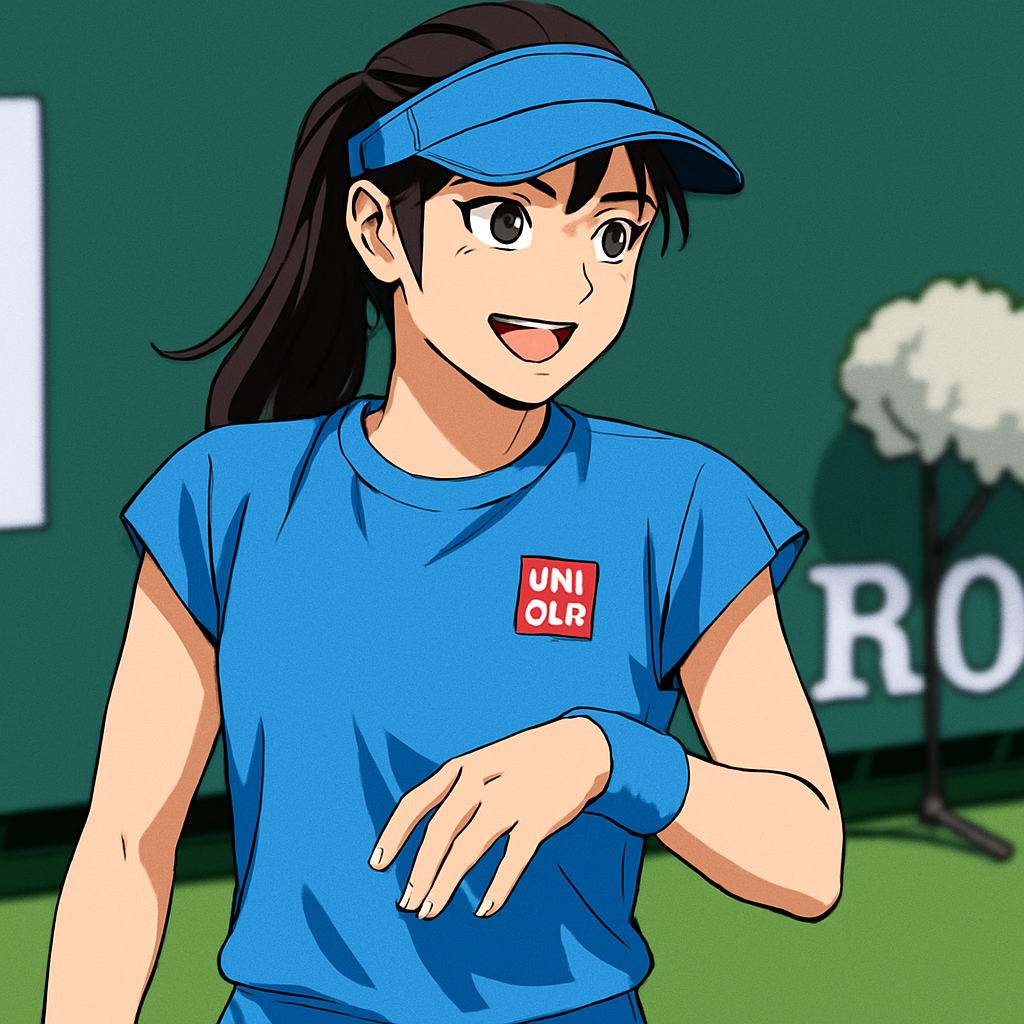
LONDON — The coaching carousel surrounding British tennis star Emma Raducanu has been a topic of intense scrutiny since her fairytale US Open victory in 2021. Now, the 21-year-old has drawn a stark and public warning from one of the sport's all-time greats, Martina Navratilova, who has labelled Raducanu's latest decision a "big mistake."
The criticism stems from Raducanu's recent comments in an interview with The Sunday Times, where she appeared to downplay the role of a traditional, full-time coach. She suggested that having a single coach can create a "bubble" and that she prefers to take advice from a variety of sources, stating, "I’ve had coaches and I’ve had a lot of coaches, and I’ve done it every single way."
Navratilova's Blunt Assessment
Reacting to these remarks on the Tennis Channel, the 18-time Grand Slam singles champion did not mince her words. Navratilova argued that Raducanu's perspective is fundamentally flawed for a player still developing her game and navigating the brutal consistency of the WTA Tour. "I think it’s a big mistake," Navratilova stated unequivocally.
She elaborated that while a committee of advisors might work for an established veteran, a young player like Raducanu needs a singular, guiding voice. "For a young player like Emma to think she can do it all alone, or with just input from different people without a central figure, I believe that’s a recipe for more instability, not less," Navratilova explained. The core of her argument is that without a dedicated coach, there is no one to provide accountability, a coherent long-term strategy, or to make tough, necessary technical corrections.
A History of Constant Change
Navratilova's warning carries significant weight precisely because of Raducanu's unprecedented coaching history. Since her breakthrough at Wimbledon in 2021, Raducanu has cycled through a remarkable number of coaches, a pattern that has become a defining narrative of her young career. This revolving door has included:
- Nigel Sears: The coach during her initial Wimbledon run.
- Andrew Richardson: Guided her to the US Open title but was let go shortly after.
- Torben Beltz: Lasted only five months.
- Dmitry Tursunov
- Sebastian Sachs: Worked with her for most of 2023 before parting ways.
- Nick Cavaday: Her current coach, a childhood mentor she has recently reunited with.
This list underscores Navratilova's concern. Each split was framed around finding the "right fit," but the cumulative effect has been a lack of continuity. Injuries have undoubtedly played a major role in disrupting Raducanu's progress—she missed most of 2023 and the first four months of 2024 after surgeries on both wrists and an ankle—but the coaching instability has been a constant backdrop.
The "Too Many Chefs" Dilemma
Raducanu's stated philosophy of avoiding a "bubble" and seeking diverse input is not without precedent in modern tennis. Novak Djokovic, for instance, has famously worked with a team of specialists. However, as Navratilova pointed out, Djokovic is a seasoned champion with a fully formed game and the experience to synthesize that information. For a player still refining her craft, conflicting advice can be paralyzing.
"What happens when you get different advice from different people?" Navratilova posed. "Who do you listen to in the heat of the moment? A coach isn't just about tactics; it's about trust, about someone who knows your game inside out and can tell you the hard truths you need to hear. You can't get that from a committee." The risk is that Raducanu, in seeking independence, may actually be creating a more confusing and isolating environment.
The Search for Stability
Raducanu's return to Nick Cavaday, a coach she knew from her junior days at the Bromley Tennis Centre, is widely seen as an attempt to find that missing stability and trust. The early signs in the 2024 clay-court season were positive, with Raducanu showing flashes of her brilliant best. However, her recent first-round exit at Wimbledon, while battling physical issues, highlighted that the road back to the top is a marathon, not a sprint.
The broader tennis community seems to share Navratilova's apprehension. Many pundits believe that for Raducanu to consistently compete at the highest level again, she must settle into a long-term partnership. The technical and mental demands of the tour require a dedicated guide who can navigate the inevitable slumps and pressures unique to her situation as a former Grand Slam champion.
In her interview, Raducanu defended her approach by saying, "I ask my stringer, I ask my physio, I ask my hitting partner, I ask the people in the gym… I’m not afraid to ask and to learn." While this curiosity is commendable, Navratilova's warning serves as a crucial counterpoint: that relentless inquiry must be channeled through a consistent, expert filter to be truly effective on the scoreboard.
As Emma Raducanu continues her journey back from injury and seeks to rebuild her ranking, the greatest challenge may not be her forehand or fitness, but her philosophy. Martina Navratilova’s stark message—"big mistake"—is a powerful call to reconsider whether the pursuit of complete independence is, in fact, the very thing hindering the consistency she so desperately seeks.