
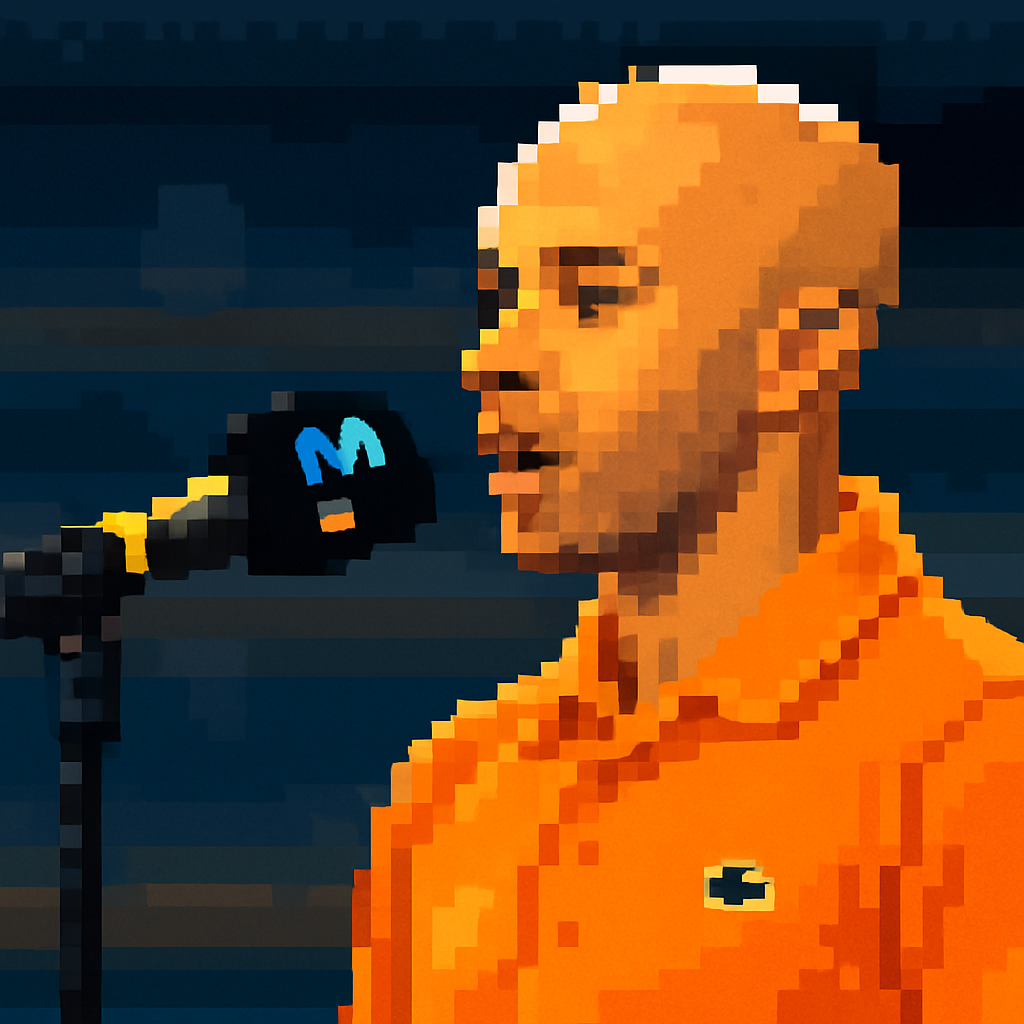
MIAMI GARDENS — The 2024 Miami Open has been beset by significant weather delays, pushing the tournament schedule to its breaking point and forcing tournament director James Blake into a public admission of a scheduling misstep. The chief point of contention revolves around the handling of young Brazilian qualifier João Fonseca, whose unexpected run has collided with the tournament's logistical realities.
Blake, the former world No. 4, confirmed that the 17-year-old Fonseca will now be required to play his fourth-round match on the Stadium Court, a move that contradicts the tournament's initial plan to protect the teenager from the main arena's pressure. This reversal comes after persistent rain over the weekend wiped out entire sessions, creating a massive backlog of matches and leaving organizers scrambling to complete the event on time.
A Perfect Storm of Rain and Rising Stars
The trouble began in earnest during the first weekend of the tournament. Heavy, persistent showers swept across Hard Rock Stadium, forcing the cancellation of all outside court play for extended periods. This created a domino effect, with dozens of matches—including entire rounds of doubles and the early singles matches—pushed back. The compacted schedule meant players faced the prospect of playing multiple matches in a single day to catch up, a scenario tournament officials desperately wanted to avoid.
Complicating matters further was the stunning performance of João Fonseca. The Brazilian, ranked No. 244 and playing in his first ATP Masters 1000 main draw, became the story of the tournament. He electrified crowds with his powerful, aggressive style, defeating players like Arthur Fils and Cristian Garín to become the first player born in 2006 to reach the fourth round of a Masters event. His scheduled third-round match, however, was one of many washed out by the rain.
The Scheduling Dilemma and a Public Mea Culpa
Initially, in an effort to shield the young phenom from the overwhelming atmosphere of the 14,000-seat Stadium Court, tournament schedulers placed Fonseca's third-round match against No. 11 seed Taylor Fritz on the smaller but still substantial Grandstand court. When that match was finally played, Fonseca triumphed in a third-set tiebreak, setting up a fourth-round clash with another seed. The plan was to keep him on the Grandstand. The weather had other ideas.
With the schedule in tatters, the only way to fit all necessary matches was to utilize the Stadium Court, which has a retractable roof, for extended sessions. This meant moving matches originally slated for outside courts indoors. In a frank press conference, James Blake acknowledged the error in initially moving Fonseca off the main stage. "We probably made a mistake not putting Fonseca on Stadium," Blake stated. "We were trying to do him a favor and not put him in the stadium, but at this point, we need to get matches in."
Blake elaborated on the impossible position the weather put the tournament in, emphasizing that completing the event for fans, broadcasters, and players was the overriding priority. "When you have a player like Fonseca who is exciting, who people want to see, you want to give him that opportunity on a big court. But we also have to be mindful of a 17-year-old who might be nervous." That mindfulness, he admitted, ultimately conflicted with operational necessity.
The Ripple Effect on Players and the Tournament
The compressed schedule has created significant challenges for the entire player field, not just Fonseca. Those still alive in both singles and doubles face grueling physical tests. The tournament was forced to implement a series of contingency plans, including:
- Starting day sessions earlier and extending night sessions later.
- Moving all men's and women's doubles matches to outside courts.
- Prioritizing singles matches on the covered Stadium and Grandstand courts.
- Asking players to remain on-site for potential short-notice match calls.
This has led to complaints about recovery time and the quality of tennis. Players who expected a day of rest between matches suddenly faced the prospect of playing two high-level matches in under 24 hours. "It's not ideal for anyone," said one top-20 player who asked not to be named. "You prepare for a certain rhythm, and when it's thrown into chaos, it affects everything—your body, your tactics, your mental focus."
Broadcast and Fan Experience Complications
The delays have also wreaked havoc on the television broadcast schedule and fan experience. Ticket holders for specific sessions found their sessions canceled or radically altered, leading to confusion and frustration at the box office. Broadcasters, who sell advertising slots based on a precise schedule, have had to scramble to fill airtime or adjust their programming, impacting the tournament's commercial partners. The iconic "Miami Open at Night" session became a casualty, with some night schedules turning into marathon sessions stretching past midnight.
Looking Forward: Lessons for Future Tournaments
The 2024 Miami Open will ultimately crown its champions, but the weather-induced chaos has sparked a conversation about scheduling flexibility and contingency planning at outdoor tournaments in increasingly unpredictable climates. Blake's candid admission is rare in tennis administration, where schedules are often defended staunchly. His transparency points to a larger issue facing the sport's calendar, which is packed tightly with little room for weather-related adjustments.
Key takeaways for future events will likely include:
- Building more mandatory off-days into the later stages of the tournament schedule.
- Investing in additional court-covering technology beyond a single roofed stadium.
- Developing more dynamic scheduling software that can quickly optimize match placement when delays occur.
In the end, the story of this year's Miami Open will be twofold: the breathtaking emergence of a new star in João Fonseca, and the sobering reminder that even the most meticulously planned sporting events are at the mercy of nature. As Blake succinctly put it in his press conference, "We tried to make the best decisions with the information we had. Sometimes, the weather just wins."