
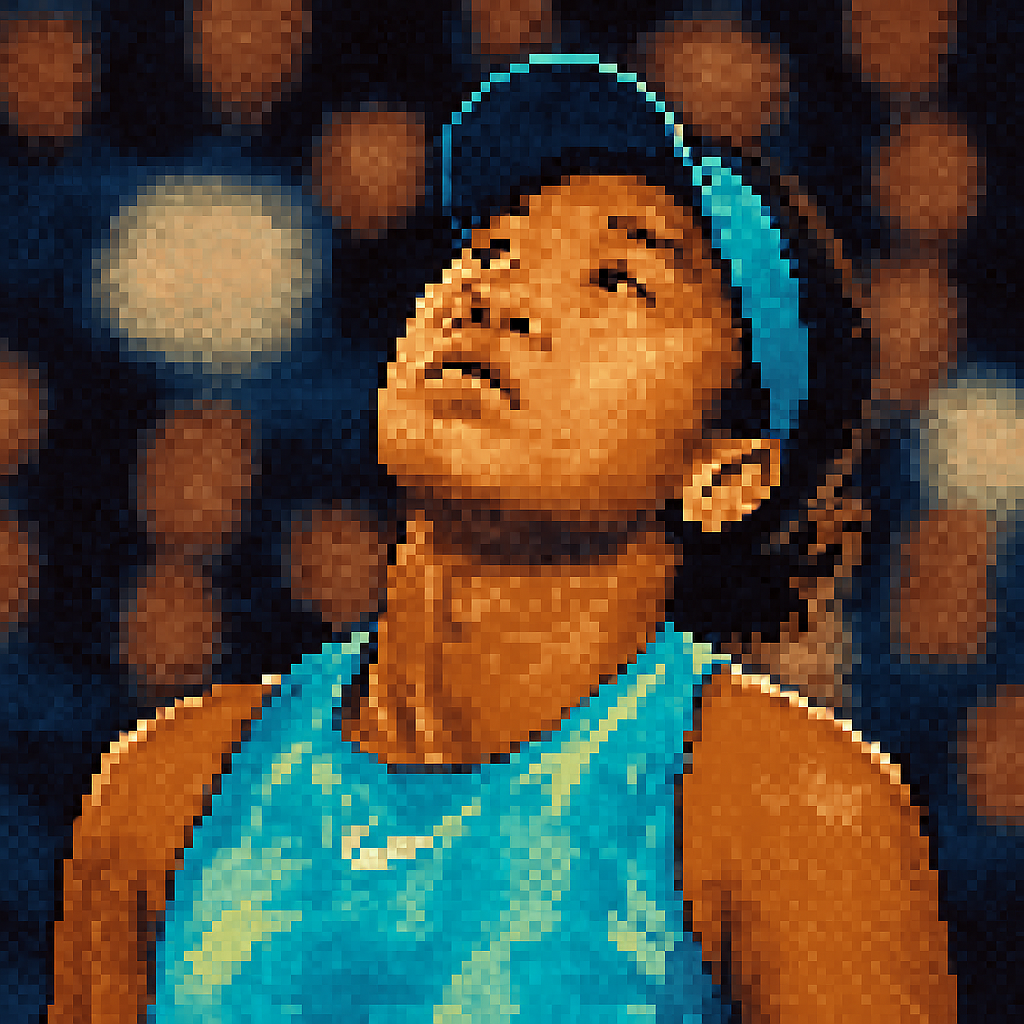
MELBOURNE — The 2024 Australian Open was dealt a significant and emotional blow on the opening day of the tournament as two-time champion Naomi Osaka withdrew from her first-round match due to injury, just hours before she was scheduled to step onto Rod Laver Arena. The former world No. 1, who was making her highly anticipated return to Grand Slam tennis after a 15-month hiatus for maternity leave, was set to face home qualifier Maddison Inglis.
A Sudden and Disappointing Setback
Tournament director Craig Tiley announced the withdrawal, confirming that Osaka had sustained an abdominal injury during practice. The news sent shockwaves through Melbourne Park, where fans and pundits alike had been eagerly awaiting the return of one of the sport's most compelling figures. Osaka, who won the Australian Open title in 2019 and 2021, had shown promising form in her comeback tournaments in Brisbane and at the United Cup, indicating she was on a path to rediscovering her dominant best on hard courts.
In a statement released by the tournament, Osaka expressed her profound disappointment: "I am really sad to have to withdraw from this year's Australian Open. I had a lot of fun playing my first match back in Brisbane and was looking forward to competing in Melbourne. Unfortunately, I have had a small injury that I need to rest and prepare for. I love this tournament and will miss all the fans." The statement underscored the careful balance she is striking between her competitive fire and the long-term management of her body as she returns to the tour.
The Ripple Effect on the Draw
Osaka's withdrawal created an immediate ripple effect. Maddison Inglis, the 26-year-old Australian who fought through three rounds of qualifying to earn her main-draw spot, was granted a walkover into the second round. While undoubtedly a bittersweet turn of events for Inglis, it deprived her of a dream match on one of the sport's biggest stages against a childhood idol. For the tournament, the loss of a marquee player and major drawcard in the first week was a palpable setback.
The vacancy in the draw was filled by lucky loser Terese Papamichail of Greece, who slotted into Osaka's position. However, the absence of the four-time Grand Slam champion leaves a noticeable void in a women's singles field already navigating the retirement of Ash Barty and the continued absence of other stars. Analysts noted that Osaka's section of the draw, which also featured former finalist Danielle Collins and the in-form Caroline Garcia, had suddenly become more open.
A Comeback Journey Interrupted
Osaka's journey back to the top has been a central narrative in tennis over the past year. Her time away from the sport was multifaceted, focused on the birth of her daughter, Shai, and a conscious effort to prioritize her mental health. Her return was marked by a new perspective, but also by the familiar power and precision that made her a champion. The abdominal injury represents the first significant physical hurdle of this new chapter.
This setback is particularly poignant given Osaka's historic connection to Melbourne Park. Her victories here were landmark moments:
- 2019: Defeated Petra Kvitova in a dramatic final to claim her second major, ascending to world No. 1 for the first time.
- 2021: Overcame Jennifer Brady in straight sets, showcasing a period of sheer hard-court dominance where she won four of six Grand Slam finals.
The Physical and Mental Balance
The withdrawal highlights the immense physical challenge of returning to the tour after childbirth, a journey several players are now navigating publicly. It also reflects Osaka's matured approach to her career. In past years, she might have been tempted to compete through minor discomfort. Now, her decision to withdraw suggests a prioritization of long-term health over short-term competition, a lesson learned from previous experiences with injury and burnout.
Tennis legend Martina Navratilova commented on the situation, emphasizing the difficulty of a comeback: "The body is the last thing to come back after having a baby. The mind is willing, but the muscles and tendons have been through a lot. It's a process, and setbacks like this, while heartbreaking, are part of that process for many athletes."
Reactions and the Path Forward
The tennis community reacted with an outpouring of support for Osaka on social media. Fellow players, including Coco Gauff and Ons Jabeur, sent messages wishing her a speedy recovery. Maddison Inglis also expressed her mixed feelings, stating she was "gutted" not to have the chance to play Osaka but sending her best wishes for a quick return to the court.
For Osaka, the focus now shifts to rehabilitation and recalibration. The early-season hard-court swing continues with prestigious tournaments in the Middle East and the United States, offering her opportunities to return to competition soon, provided her recovery goes smoothly. Her team indicated that the injury is not considered serious but requires prudent management to prevent it from becoming a lingering issue.
The Australian Open will undoubtedly feel her absence. Osaka's powerful game, quiet charisma, and compelling personal story have made her a transcendent figure in the sport. While the 2024 tournament must proceed without one of its defining champions of the past decade, the hope for fans and the sport at large is that this withdrawal is merely a brief pause in the compelling next chapter of Naomi Osaka's remarkable career. As the tournament carries on, the memory of her past triumphs here serves as a reminder of the spectacular tennis she is still capable of producing once fully fit.