
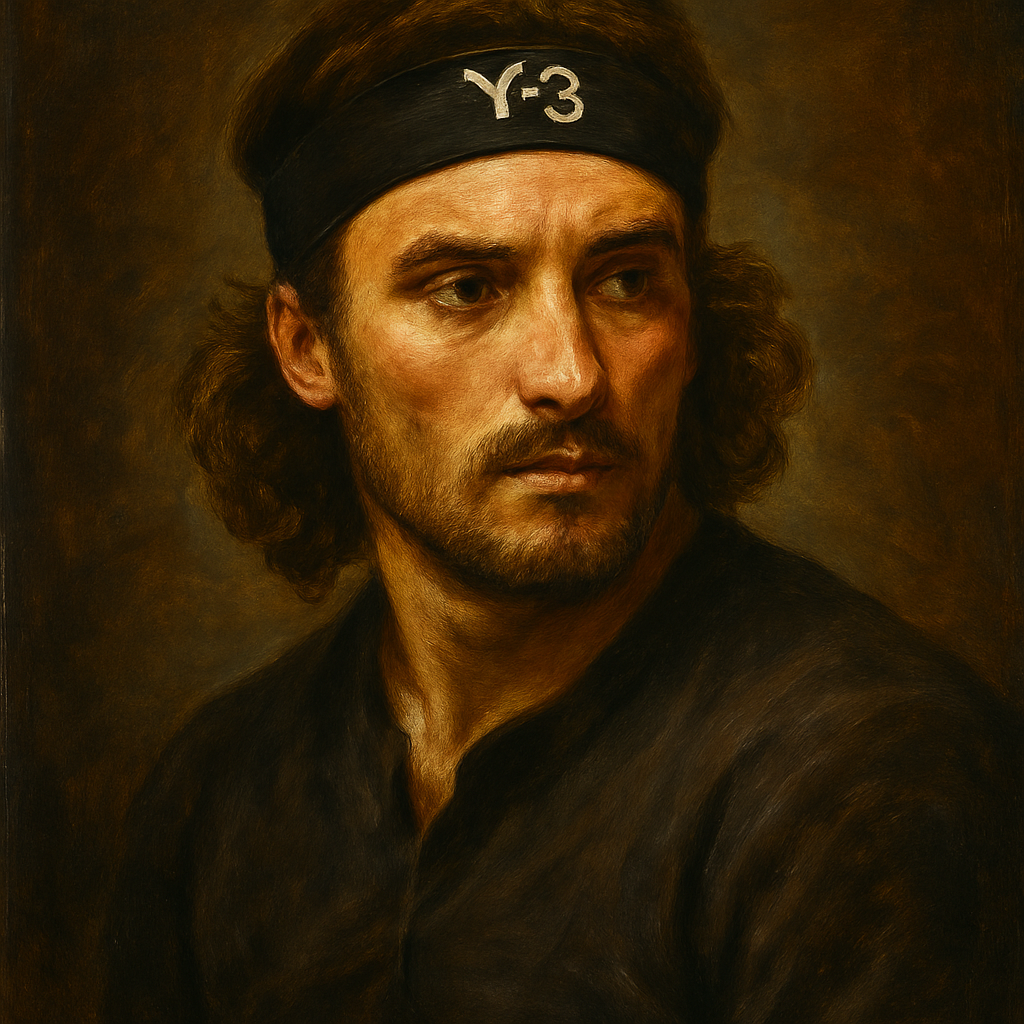
VIENNA — In a move that has sparked significant discussion across the tennis world, world No. 6 Stefanos Tsitsipas has officially withdrawn from the upcoming Vienna Open, marking the third consecutive tournament he has pulled out of since a lucrative, and controversial, appearance in Saudi Arabia earlier this month.
The Greek star's decision to skip the ATP 500 event in Austria was confirmed by tournament organizers, who announced that Frenchman Arthur Fils would take his place in the draw. This withdrawal follows his earlier pullouts from the ATP tournaments in Shanghai and Tokyo, creating a conspicuous gap in his autumn schedule immediately following his participation in the 2023 Riyadh Season Tennis Cup.
That exhibition match, held on October 9th against Novak Djokovic, netted Tsitsipas a reported £1.1 million (approximately $1.35 million) for his efforts, despite a straight-sets 6-3, 6-4 loss. The timing of his subsequent withdrawals has led to intense speculation about his motivations, with critics questioning his commitment to the official ATP Tour.
A Pattern of Withdrawals
Tsitsipas's altered schedule began with the Shanghai Masters, an ATP 1000 event where he was a seeded player. His initial withdrawal was attributed to a "right arm injury" sustained during his Laver Cup participation in late September. However, he was deemed fit enough to travel to Riyadh just days later for the high-paying exhibition. This was followed by another withdrawal from the Japan Open in Tokyo, another ATP 500 event, further thinning the fields of these prestigious tournaments.
The Vienna Open's tournament director, Herwig Straka, expressed his disappointment in a statement, saying:
"We were, of course, very much looking forward to Stefanos Tsitsipas. It is a pity that he cannot come, but his health must come first. We wish him a speedy recovery and hope to see him in Vienna next year."
This pattern has not gone unnoticed by tennis pundits and fans. The core of the criticism revolves around the perception that Tsitsipas, and other top players, are prioritizing lucrative one-off exhibition events over their commitments to the structured ATP Tour, which forms the backbone of the professional season and provides ranking points and opportunities for lower-ranked players.
The Exhibition vs. The Tour Debate
The situation highlights a growing tension in modern tennis: the clash between the traditional tour structure and the financial allure of exhibition matches, particularly those funded by sovereign wealth. The Riyadh event, part of Saudi Arabia's broader push into international sports, offered appearance fees that dwarf the potential earnings from a deep run in a standard ATP tournament.
To put the financials in perspective, consider the prize money for the tournaments Tsitsipas has skipped:
- Shanghai Masters Champion: $1,262,220
- Japan Open Champion: $370,640
- Vienna Open Champion: $435,130
- Riyadh Exhibition (one match): ~$1,350,000
As the numbers starkly illustrate, the guaranteed payday for a single exhibition match in Saudi Arabia was significantly higher than the winner's cheque for winning any of the three official tournaments he has now withdrawn from. This economic reality is a powerful incentive, but it raises questions about the integrity of the tour schedule and the message it sends about player priorities.
The Official Line: A Persistent Injury
Tsitsipas's camp has consistently pointed to a legitimate physical issue. His team has maintained that the arm injury has been more persistent than initially hoped, requiring a longer period of rest and rehabilitation. A representative for the player stated, "Stefanos is focusing on his recovery and is aiming to be fully fit for the season-ending ATP Finals in Turin."
This justification is plausible. The tennis season is grueling, and managing a player's physical health is paramount. Tsitsipas has already qualified for the ATP Finals—a prestigious event featuring the year's top eight players—based on his strong performances earlier in the season, including a run to the Australian Open final. From a purely strategic standpoint, resting an injury before the final major tournament of the year makes logical sense.
However, the optics remain challenging. The sequence of events—withdrawing from a mandatory Masters 1000 event, then playing a high-intensity exhibition days later, followed by two more tourney withdrawals—inevitably leads to skepticism. As one prominent tennis journalist noted on social media, "It's the 'how' not the 'why' that's causing the problem here."
The Broader Context in Tennis
Tsitsipas is far from the first player to face scrutiny for this type of scheduling. The sport has long grappled with the influence of appearance fees and exhibitions. What makes the current situation particularly resonant is the scale of the Saudi offer and the ongoing debate about the kingdom's "sportswashing" campaign. Furthermore, the ATP itself is in talks with Saudi Arabia's Public Investment Fund (PIF) regarding a potential strategic investment, a move that could further blur the lines between the official tour and Saudi-backed events.
The player withdrawal issue also has a tangible impact on the tournaments themselves. Event organizers who invest millions in hosting fees and player guarantees rely on star power to sell tickets and broadcast rights. When a top-name player like Tsitsipas pulls out, it can significantly damage the event's commercial appeal and disappoint thousands of fans who purchased tickets specifically to see him play.
Looking Ahead: Turin and Beyond
All eyes will now be on the ATP Finals, scheduled to begin in Turin on November 12th. If Tsitsipas is fit and competing at his highest level, it will lend significant credence to his injury claims. If he appears rusty or struggles, the questions about his recent priorities will only grow louder.
The ultimate fallout from this situation may extend beyond Tsitsipas's individual season. It forces a necessary conversation within tennis governance about how to balance player economic freedom with the stability and integrity of the tour. Potential solutions, however complex, could involve:
- Stricter enforcement of mandatory tournament rules.
- A more unified calendar that incorporates or regulates exhibitions.
- Revised financial incentives for top players.
For now, Stefanos Tsitsipas finds himself at the center of a storm of his own making—a storm fueled by a £1.1 million payday and a series of decisions that have left many wondering where his true commitments lie. The path forward requires not only physical recovery but a careful navigation of the evolving expectations placed upon the sport's biggest stars.