
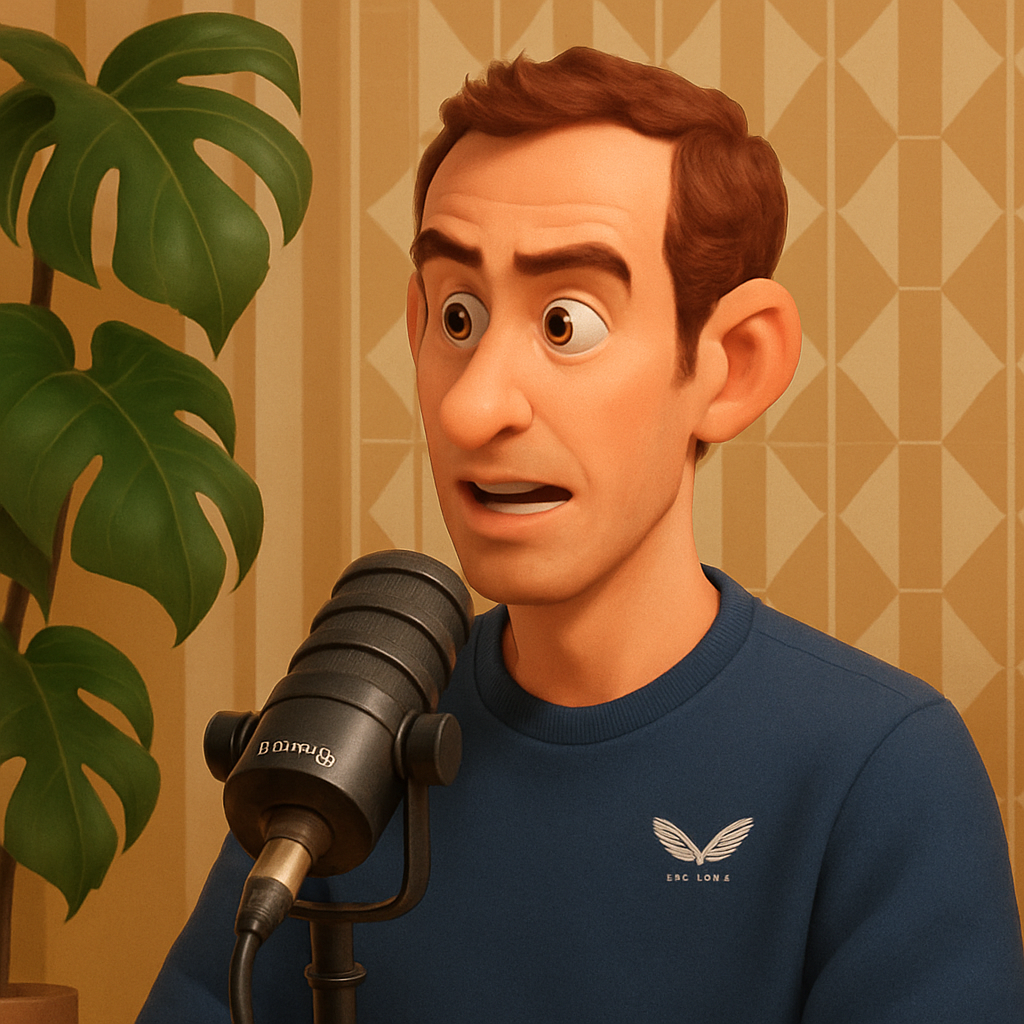
LONDON — The hallowed lawns of Wimbledon are set for a significant shift in how they are broadcast to the world, with the All England Lawn Tennis Club (AELTC) announcing a landmark new domestic rights deal. In a move that has sparked widespread discussion, the BBC's long-standing, exclusive free-to-air coverage will be shared with commercial broadcaster ITV from 2025. The news has drawn a notable reaction from one of the tournament's most iconic champions, Sir Andy Murray, who offered a succinct and positive verdict: "This is great."
The new agreement, a historic joint partnership, will see the BBC and ITV split the television rights for The Championships from 2025 through 2027. This ends the BBC's decades-long monopoly on live Wimbledon coverage, a relationship that dates back to the first televised broadcast in 1937. Under the new structure, both broadcasters will show live matches, including the men's and women's singles finals, ensuring the tournament remains entirely free-to-air for UK viewers—a point heavily emphasized by the AELTC.
A New Era for Tennis Coverage
The decision to introduce a second free-to-air partner represents a strategic evolution for Wimbledon. While the BBC's coverage is revered for its tradition and authoritative commentary, the inclusion of ITV is seen as a way to inject fresh production perspectives, potentially reach new audiences, and drive innovation in sports broadcasting. The financial details of the deal remain confidential, but it is understood to provide a substantial boost to the AELTC, funds which are "reinvested into the sport" through the Lawn Tennis Association (LTA) to support grassroots development.
Debbie Jevans, Chair of the All England Club, framed the announcement as a win for tennis fans. "We are thrilled to welcome ITV to the Wimbledon family, whilst extending our long-standing partnership with the BBC. This new deal ensures greater reach and access for millions of viewers across the country to enjoy The Championships via free-to-air television. It also provides important funding for the LTA."
Murray's Enthusiastic Endorsement
The voice of a two-time Wimbledon champion carries significant weight in these discussions. Sir Andy Murray, who has experienced the unique pressure and glory of Centre Court from both the player's box and the commentary booth for the BBC, was quick to praise the move. His simple statement, "This is great," posted on social media, was expanded upon by sources close to the Scot. He is understood to believe that competition between broadcasters will ultimately raise the standard of coverage for viewers at home.
Murray's perspective is rooted in the modern media landscape. He has often advocated for the sport's accessibility, and his support aligns with the core promise of the deal: maintaining free access. His endorsement suggests a belief that the benefits of a dual-broadcaster approach—such as more choice, different presentation styles, and potentially longer hours of live coverage—outweigh the nostalgia of a single, exclusive broadcaster.
What the New Deal Means for Viewers
From 2025, tennis fans in the UK can expect a new rhythm to their Wimbledon fortnight. While specific scheduling is yet to be finalized, the typical model for such shared rights involves broadcasters alternating days or sessions. Key implications for the viewer experience include:
- Continued Free Access: Every ball struck at Wimbledon will remain available on free-to-air television, a condition the AELTC was adamant about preserving.
- Increased Choice: Viewers may have the option to choose between two live matches on different courts simultaneously, a flexibility previously limited to digital platforms.
- Diverse Presentation: ITV Sport, known for its coverage of football, rugby, and the Tour de France, will bring its own production team and on-screen talent, offering an alternative to the BBC's established lineup.
- Innovation & Rivalry: The competition is expected to drive both broadcasters to enhance their technological offerings, from augmented reality graphics to multi-camera angles and interactive features.
The Broadcasters' Perspectives
Both the BBC and ITV have expressed enthusiasm for the new partnership. A BBC spokesperson stated, "Wimbledon is a much-loved national sporting moment on the BBC, and we're proud of our unique partnership. This new deal ensures we can continue to bring this iconic event to audiences across the UK for free, while also delivering value for licence fee payers." The BBC is expected to retain its flagship shows like "Today at Wimbledon" and its comprehensive radio coverage.
For ITV, securing a share of Wimbledon is a major coup. Niall Sloane, ITV Director of Sport, said, "This is a hugely significant acquisition for ITV Sport. Wimbledon is one of the world's most prestigious sporting events, and we're delighted to be partnering with the AELTC and the BBC to bring comprehensive free-to-air coverage to viewers across the UK." The deal significantly bolsters ITV's summer sports portfolio.
A Balancing Act: Tradition and Progress
The reaction from the public and media has been mixed, reflecting the delicate balance between tradition and progress. Many welcome the competitive shake-up, agreeing with Murray that it could enhance the viewing experience. Others express a sentimental attachment to the BBC's singular voice, embodied by commentators like John McEnroe and Clare Balding, worrying that the magic of a unified national broadcast might be diluted.
However, the AELTC has been careful to structure the deal as an evolution, not a revolution. By keeping the tournament on free-to-air television and engaging two of the UK's most trusted broadcasters, they aim to safeguard the event's accessibility and prestige. The club is likely mindful of the criticism faced by other sports, like cricket, which moved behind paywalls and saw a subsequent decline in mainstream visibility and participation.
In many ways, Sir Andy Murray's reaction cuts through the noise. His career has been defined by challenging the status quo and embracing innovation to achieve success. His positive view of the new broadcast deal suggests he sees it not as a break from tradition, but as a necessary and exciting step forward. As he put it simply and effectively, the prospect of two major UK broadcasters vying to deliver the best possible Wimbledon to the nation is, indeed, "great."
The true test will come in the summer of 2025, when the first serves of the new era are broadcast. But for now, with the backing of a champion and a commitment to keeping the sport free for all, Wimbledon has confidently volleyed its television future into a new, and promising, court.