
LONDON — The All England Lawn Tennis and Croquet Club (AELTC) has announced a significant technological shift for the 2024 Championships, confirming the introduction of Video Assistant Review (VAR) on its premier showcourts. The decision comes in the wake of a high-profile officiating controversy during last year’s quarter-final clash between Britain’s Jack Draper and Russia’s Daniil Medvedev, a match that reignited the long-standing debate over line-calling accuracy in tennis.
The new system, which will be operational on Centre Court, No.1 Court, and No.2 Court, will allow players to formally challenge a limited number of line calls per set, triggering a video review by the chair umpire. This marks a departure from the sport's traditional reliance on the Hawk-Eye Live automated system for all calls on equipped courts, introducing a human-in-the-loop element reminiscent of challenges in other sports.
The Draper-Medvedev Flashpoint
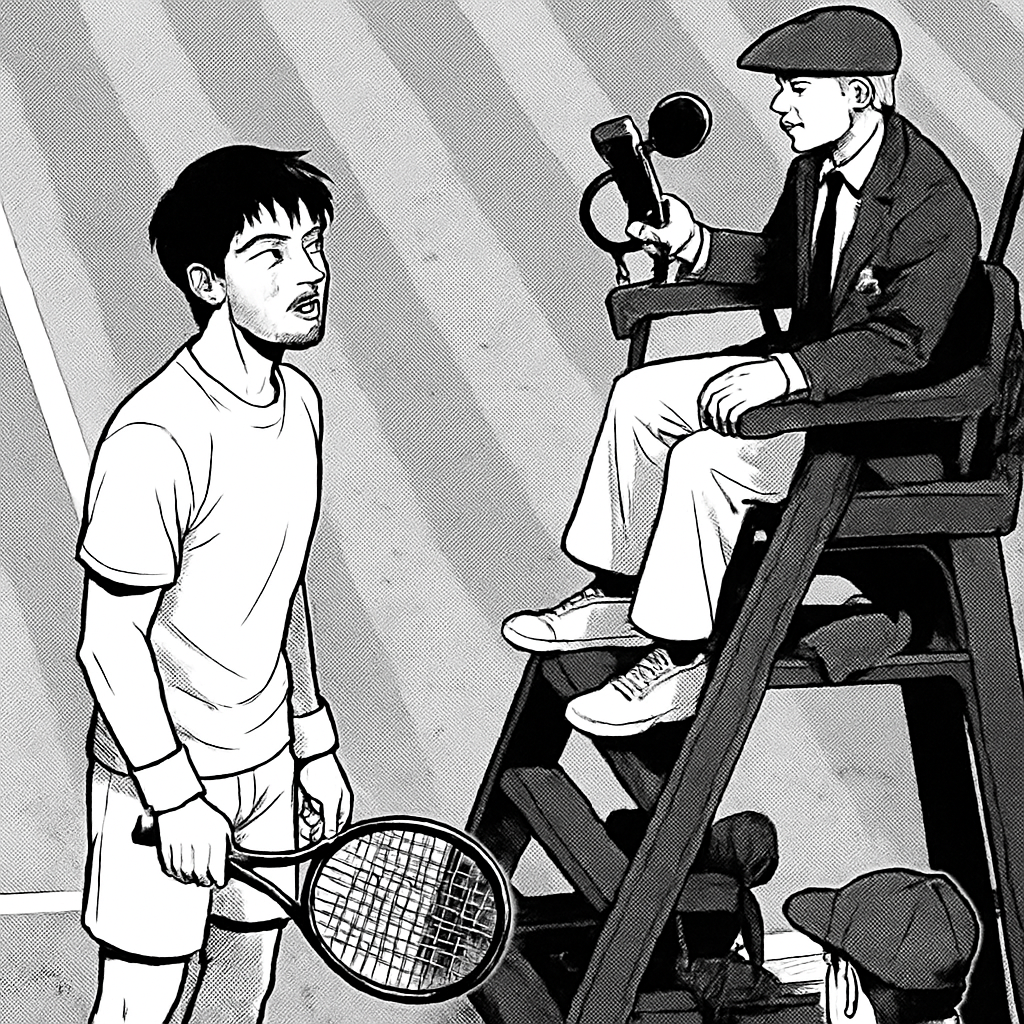
The catalyst for this change was a pivotal moment in the fourth set of the 2023 quarter-final. With Medvedev leading two sets to one and the fourth set locked at 5-5, Draper hit a forehand that was called out by a line judge. The British player immediately and vehemently contested the call. Hawk-Eye technology, which is used for television broadcasts but was not the official live calling system on Court No.1, subsequently showed the ball clipping the line.
Under the existing rules, the chair umpire could not consult the broadcast Hawk-Eye replay. The original out call stood, handing Medvedev a crucial break point, which he converted before serving out the match. A visibly frustrated Draper was heard telling the umpire, "That's such a big point. It's just so frustrating. Everyone in the stadium knows it was in." The incident dominated post-match discourse, with pundits and fans alike questioning why the sport’s most prestigious tournament lacked a mechanism to correct such a clear and consequential error.
How Wimbledon's VAR Will Work
Wimbledon’s implementation of VAR will integrate with the existing electronic line-calling infrastructure but add a layer of player-initiated review. The system is designed to be swift and minimally disruptive. Key operational details include:
- Challenge Allocation: Each player will receive two challenges per set, with an additional challenge granted if the set reaches a tie-break. Unused challenges do not carry over.
- Review Process: Upon a player’s challenge, the chair umpire will review dedicated, ultra-high-speed camera angles on a courtside monitor. The review will be focused solely on whether the ball touched any part of the line.
- Decision Finality: The umpire’s decision after the video review will be final. The system will not be used for "foot-faults" or other non-line-call decisions.
AELTC Chair, Debbie Jevans, stated, "While Hawk-Eye Live represents the gold standard in accuracy, the Draper-Medvedev incident highlighted a rare but critical gap in our officiating protocol. This VAR system is a prudent enhancement. It empowers players on our biggest stages, provides an additional check for the most pivotal moments, and ultimately reinforces fairness, which is a cornerstone of The Championships."
A Divergence from the Tennis Norm
Wimbledon’s move creates an interesting dichotomy within professional tennis. The ATP and WTA tours have been rapidly adopting fully automated line-calling systems, like Hawk-Eye Live, which removes human line judges entirely. The US Open and Australian Open now use this technology on all courts. Wimbledon, however, is choosing a hybrid model for its signature courts, preserving the tradition of line judges while adding a video review safety net.
This philosophy was explained by the AELTC’s Head of Refereeing, Gerry Armstrong: "There is an atmosphere and a tradition that comes with having line officials on our showcourts. VAR allows us to maintain that heritage while addressing the modern demand for verifiable accuracy. It’s about balancing innovation with the unique character of Wimbledon."
Reception from the Players' Camp
Initial reactions from players have been largely positive. Jack Draper, whose experience directly influenced the change, welcomed the announcement: "It’s great to see Wimbledon listening and evolving. What happened last year was tough, but if it leads to a system that helps avoid that for someone else in the future, then some good has come from it. It puts a bit more control back in the players' hands on the biggest points."
World No. 1 Novak Djokovic, a noted traditionalist who has sometimes been skeptical of technological changes, also expressed approval: "In situations like that quarter-final, everyone could see the mistake. Tennis is a game of millimeters and one point can change the momentum of a match, a tournament. A system that can correct a clear error for a crucial point is a step in the right direction for the integrity of the sport."
Potential Challenges and Criticisms
Despite the supportive reception, some questions remain. Critics point to potential delays, though Wimbledon insists reviews will be capped at a strict timeframe. Others argue it is an inconsistent half-measure, asking why the tournament doesn’t simply adopt full electronic line-calling across the board if accuracy is the paramount concern. There is also the strategic element—players may "save" challenges for critical moments late in sets, adding a new tactical layer to the game.
Furthermore, the system will only be available on three courts, meaning players on outside courts will have no recourse beyond the chair umpire's final say. This creates a potential disparity in the officiating experience during the early rounds, a point the AELTC acknowledges but defends based on the logistical and financial scale of rolling out the dedicated camera systems and monitors required.
A New Chapter for Tennis Officiating
Wimbledon’s introduction of VAR represents more than just a new tool for umpires; it signals a cultural shift. It is an admission that even at the most storied tournament, the pursuit of perfection in officiating is ongoing. By adopting a system familiar to football and cricket fans worldwide, Wimbledon is modernizing its appeal while aiming to protect the sanctity of its results.
As the tennis world turns its eyes to SW19 this summer, all attention will not only be on the serves and volleys but also on the first raised finger signaling a VAR challenge. The success of this experiment could influence other Grand Slams and even the Olympic tennis event, potentially setting a new standard for how the sport handles its most controversial moments. The legacy of the Draper-Medvedev controversy, therefore, may ultimately be a lasting change in the fabric of tennis officiating itself.