
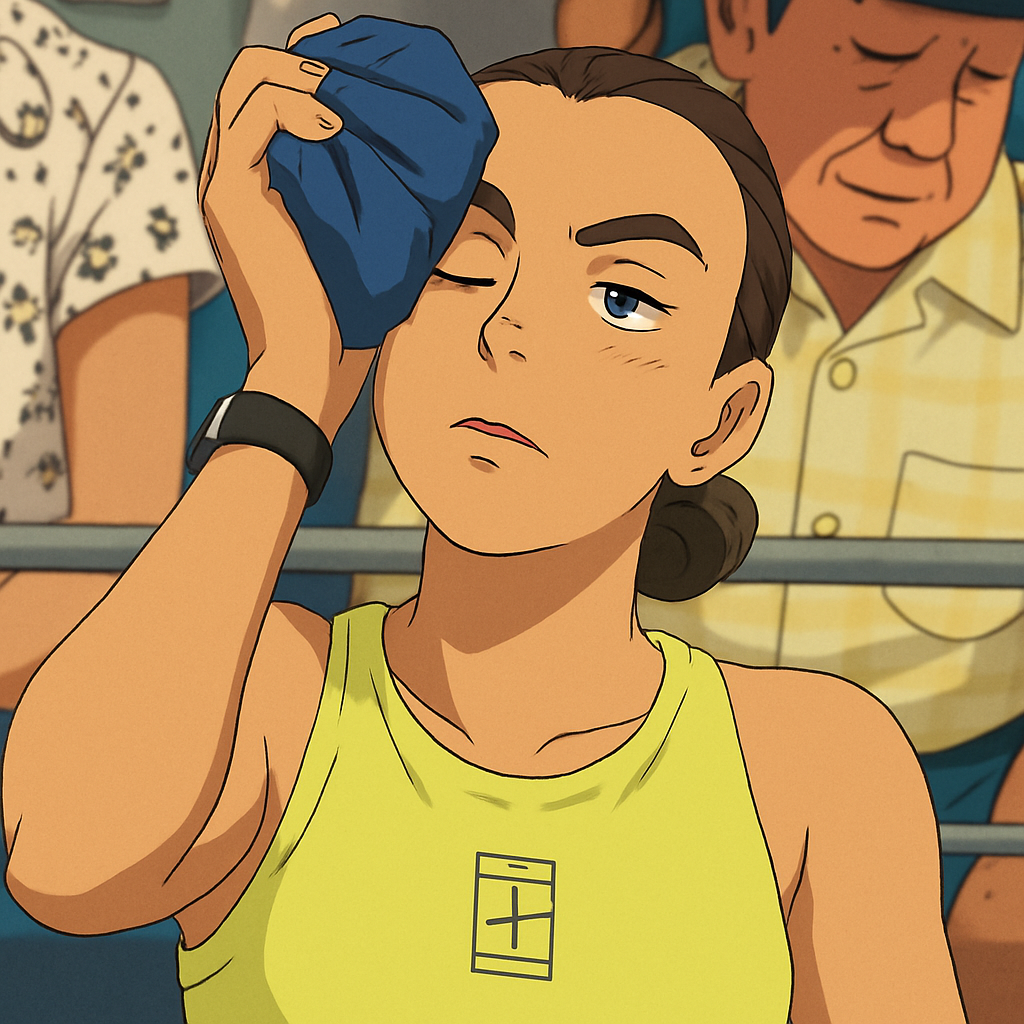
MADRID — The relentless grind of the modern tennis calendar has come under fierce criticism from one of its biggest stars, with world number one Aryna Sabalenka launching a scathing attack on the sport's governing bodies, accusing them of prioritizing commercial interests over player welfare.
In a candid and impassioned press conference at the Madrid Open, the two-time Australian Open champion described the current schedule as "insane" and claimed players feel unprotected by the very organizations tasked with managing the tour. Her comments have ignited a fresh debate about the physical and mental sustainability of a season that stretches across 11 months and multiple continents.
The Breaking Point: A Calendar Without Rest
Sabalenka's frustration stems from what players perceive as a constant expansion of the calendar, with new tournaments and extended formats adding to an already packed itinerary. The introduction of longer Masters 1000 events in Madrid, Rome, and Canada, coupled with a revamped Davis Cup schedule and the pressure to play mandatory WTA 1000 tournaments, has left little room for recovery.
"It's insane what's happening," Sabalenka stated bluntly. "I'm not sure if I'm going to be able to play until I'm 33 because the schedule is so insane. I really hope that they're going to come up with a better schedule. At this point, I'm not sure if it's even safe to play that long with this kind of calendar."
Her concerns are not isolated. A growing chorus of players, including Novak Djokovic and Iga Świątek, have repeatedly called for a condensed season. The current structure forces athletes to navigate drastic changes in time zones, climate, and court surfaces with minimal adjustment time, significantly increasing the risk of injury and burnout.
"Following Their Interests": A Stark Accusation
The core of Sabalenka's argument goes beyond mere scheduling complaints. She directly questioned the motives of the ATP, WTA, and International Tennis Federation (ITF), suggesting a fundamental misalignment between their goals and the well-being of the athletes who drive the sport's popularity.
"I think they are just following their interests," she asserted. "They are not focusing on protecting all of us. They are just focusing on protecting their business. That's it. They are not really thinking about us."
This accusation strikes at the heart of the sport's governance. The tennis calendar is a complex web of agreements between separate tours (ATP and WTA), the Grand Slams (which operate independently), and the ITF, each with its own commercial partnerships, broadcast deals, and tournament commitments. Finding consensus for meaningful reduction is notoriously difficult.
The physical toll of this "insane" schedule is evident in the sport's injury reports. In recent seasons, top players like Rafael Nadal, Naomi Osaka, and Nick Kyrgios have taken extended breaks, citing both physical and mental exhaustion. Sabalenka highlighted the precarious position players face when considering rest, as skipping mandatory events can result in significant financial penalties and ranking point deductions.
The Player's Dilemma: Play Hurt or Lose Out
Players are caught in a bind where the demands of the tour often conflict with their own health. Key issues include:
- Mandatory Events: The WTA and ATP rules mandate participation in certain tournaments, limiting a player's ability to tailor their schedule for optimal recovery.
- Ranking Pressure: The year-round ranking system means any extended break can cause a precipitous drop, affecting seeding and future tournament entries.
- Financial Imperative: For players outside the very top echelon, skipping events means forfeiting crucial prize money needed to fund their coaching and travel expenses.
The Quest for a Unified Voice
Sabalenka's comments underscore a long-standing challenge in tennis: the lack of a powerful, unified players' association with the bargaining power to force structural change. While the Professional Tennis Players Association (PTPA), co-founded by Djokovic, has gained traction, it is not yet recognized as an official union by the governing bodies.
"We've been talking about that for ages," Sabalenka said regarding calendar reform. "We've been trying to find the solution. But, you know, it's not easy. There are so many people involved in this, and everyone has their own opinion and their own interests."
The recent move to streamline tournament governance, with the ATP and WTA exploring combined events and the formation of a joint venture, has been marketed as a step toward efficiency. However, players like Sabalenka are wary that such consolidation may further entrench commercial priorities without delivering tangible relief to the playing corps.
The situation is particularly acute for players who excel on all surfaces. Sabalenka, a powerhouse who has reached at least the semifinals of the last six Grand Slams, is expected to perform at a peak level year-round. The transition from hard courts to clay to grass and back, often within weeks, places extraordinary strain on the body.
A Call for Action Before It's Too Late
Sabalenka's warning about not playing until 33 is a sobering prediction from a 25-year-old at the peak of her powers. It reflects a growing sentiment that the sport is consuming its brightest talents at an unsustainable rate. Her call is not just for fewer tournaments, but for a smarter, more player-centric design.
This would likely require a shorter official season, a longer off-season (currently just a few weeks in December), and a reevaluation of mandatory commitments. It would also necessitate genuine collaboration between tours and a willingness to potentially sacrifice short-term revenue for the long-term health of the sport's stars.
"I think we just have to keep pushing them," Sabalenka concluded, indicating this is a battle players are prepared to continue. "Hopefully they will do something about the calendar. I really hope that they will hear us and they will make some changes."
As the tennis world digests Sabalenka's forceful critique, the pressure mounts on the ATP, WTA, and ITF to demonstrate that player welfare is more than just a talking point. The alternative, as outlined by the world's top-ranked player, is a future where the sport's grueling schedule shortens careers and leaves its athletes feeling exposed and unprotected by the very system they sustain.