
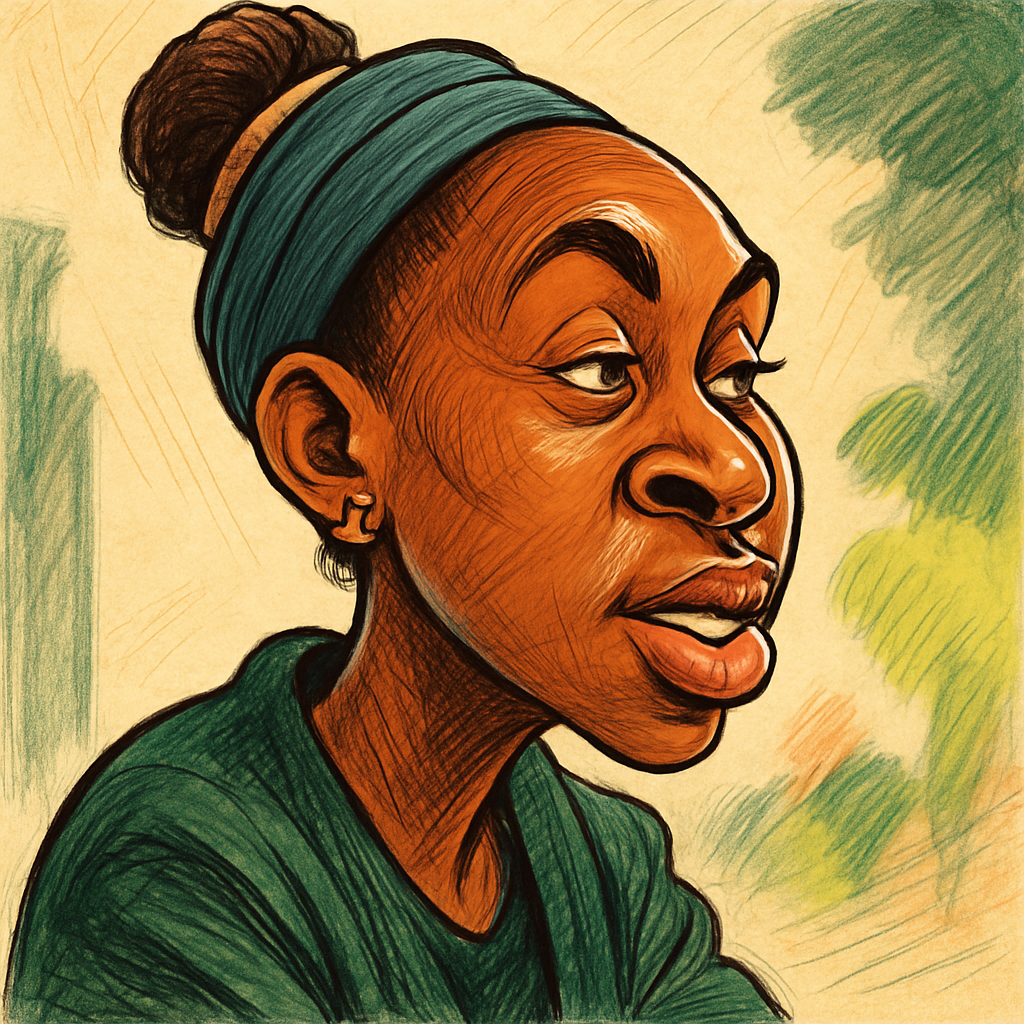
PARIS — Coco Gauff, the reigning US Open champion and one of the most prominent young voices in global sports, has used her platform at the French Open to speak out on the human cost of political rhetoric and policy back home in the United States, stating it is "tough to wake up" to the news.
The 20-year-old tennis star, competing in Paris, addressed questions about the current climate in the U.S. following comments from former President Donald Trump, who has pledged a massive immigration crackdown if re-elected. Gauff expressed a profound sense of distress over the direction of the national conversation and its real-world consequences.
A Voice of Conscience from the Clay Courts
Gauff, who has never shied away from social and political advocacy, framed her concerns in starkly human terms. "It's tough to see and tough to wake up every morning and see things happening in the world and not only in your country but in other countries that you visit often," she told reporters. Her distress centers on the dehumanizing language often used in political discourse.
"Obviously, I'm in support of protests and peaceful protesting," Gauff continued. "But I think it's just the words that people say to rile people up." She pointedly criticized the characterization of immigrants as subhuman or as a destructive force, a recurring theme in some political rhetoric.
"People Shouldn't Be Dying in the Streets"
The core of Gauff's message was a plea for basic human dignity. "I believe that people shouldn't be dying in the streets just for existing," she stated, a comment that resonates amid reports of migrant deaths during perilous border crossings and incidents of violence against marginalized communities.
Her remarks come against a backdrop of intense national debate over immigration policy. The Biden administration has implemented a mix of enforcement measures and legal pathways, but the system remains overwhelmed. Key issues Gauff's comments indirectly touch upon include:
- The ongoing humanitarian crisis at the southern U.S. border,
- Political promises of large-scale deportation raids and detention camps,
- And the heated, often inflammatory, rhetoric surrounding the topic.
Gauff emphasized that her perspective is informed by her identity and experiences. "I think as a Black American, I have a lot of different feelings on what's happening," she said, linking the struggles of immigrants to the broader history of racial injustice in America. "I have ancestors that were enslaved in this country."
The Athlete's Platform and Personal Toll
For Gauff, speaking out is not without its challenges. Balancing the focus required for Grand Slam competition with the emotional weight of global events is a constant struggle. "I try my best to, when I'm in tournament mode, just focus on the tennis, but it is hard to completely ignore," she admitted, highlighting the difficulty of compartmentalizing.
She is part of a new generation of athletes who see their platform as an integral part of their career, not separate from it. Following in the footsteps of icons like Billie Jean King, Arthur Ashe, and more recently, Naomi Osaka and LeBron James, Gauff understands her voice carries weight.
"I feel like to not use my platform, I wouldn't be doing my part in this world," she explained. This sense of responsibility was cemented after her 2023 US Open victory, where she dedicated her win to those who "thought they put a ceiling on my game."
Navigating Criticism and Staying Focused
Gauff is aware that her foray into political commentary will draw criticism from those who believe athletes should "stick to sports." However, she remains undeterred. "I know a lot of people are telling me to stay out of it, but I think if we all just stay out of it, nothing will ever get done," she argued, framing advocacy as a civic duty.
Her approach is not about endorsing a specific political party but advocating for a fundamental shift in empathy and dialogue. "I just think that the words that people say... it just riles people up in a way that I don't think is productive for the long-term health of our country," Gauff stated, calling for a de-escalation of divisive language.
A Call for Empathy and Action
In conclusion, Coco Gauff's intervention from Paris is more than a celebrity opinion; it is a poignant reflection of a generation grappling with complex global issues. Her message cuts through political abstraction to focus on human life and dignity.
"People shouldn't be dying in the streets just for existing," she reiterated, a simple yet powerful moral claim. By linking the plight of immigrants to America's own history of struggle, she contextualizes the current moment within a longer arc of justice.
As the French Open continues, Gauff will channel her focus onto the clay courts. Yet, her words will linger, a reminder that the world of sports does not exist in a vacuum. It is interconnected with the social and political currents of the day, and athletes like Coco Gauff are increasingly determined to navigate both arenas with conviction and compassion.