
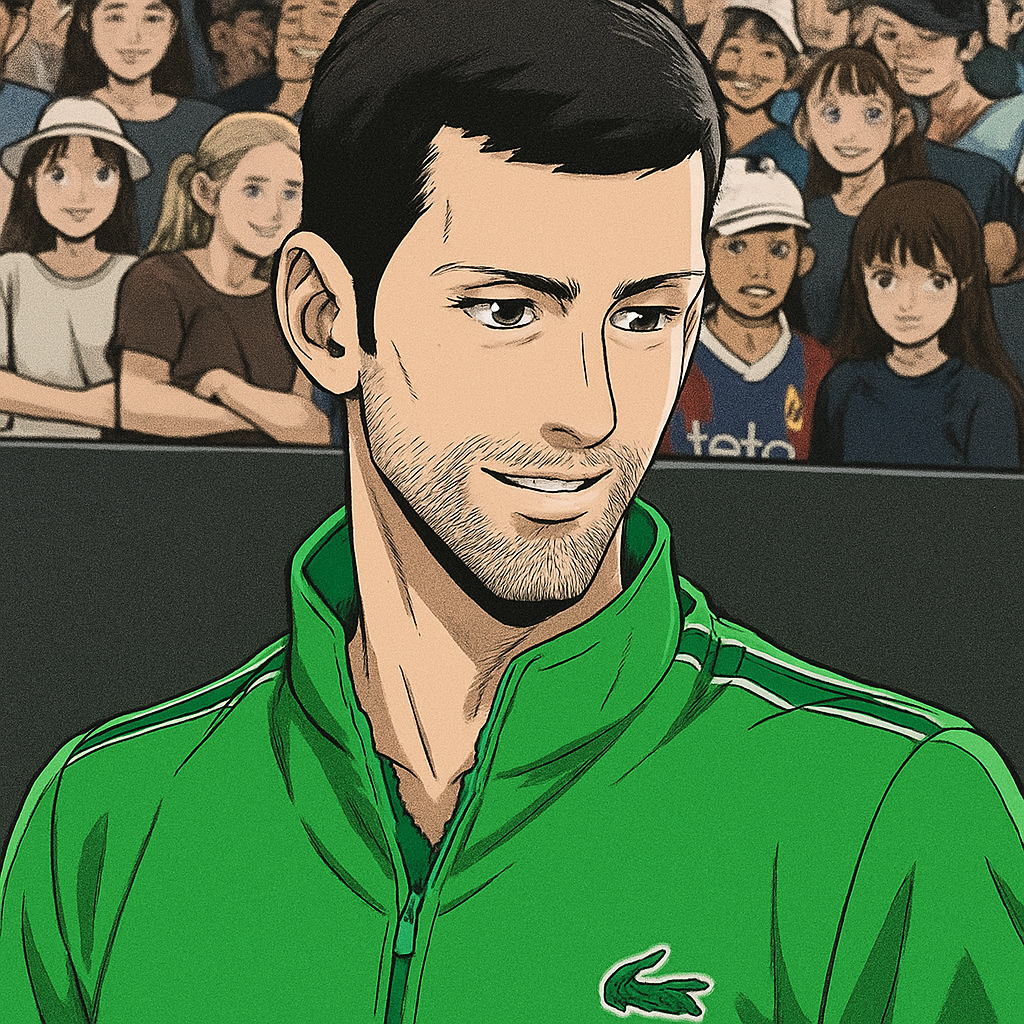
MELBOURNE — Novak Djokovic’s 100th victory at the Australian Open was a hard-fought, four-set battle against 20-year-old Croatian qualifier Dino Prižmić. But the post-match interview that followed was something else entirely: a raw, winding, and at times hilarious monologue where the 10-time champion turned the spotlight not on his historic win, but on the aging vessel that carried him to it—his own body.
After securing the 6-2, 6-7(5), 6-3, 6-4 win in a grueling four hours, Djokovic was asked by on-court interviewer Jim Courier about the physical demands of the match. What ensued was nearly five minutes of unfiltered reflection. The 36-year-old began by praising his young opponent's "incredible mentality" and "fantastic tennis," but quickly pivoted to a topic clearly on his mind. "I started maybe a bit sluggish," he admitted, setting the stage for a deeper dive.
The Relentless March of Time
Djokovic, holding a record 24 Grand Slam titles, is no stranger to discussing the physical and mental toll of the sport. Yet, this interview felt different—more introspective and openly vulnerable. He spoke not as an invincible champion, but as a veteran acutely aware of his own timeline. "Thirty-six is not twenty-five," he stated with a wry smile, a simple truth that hung in the Rod Laver Arena air.
He detailed the conscious adjustments he must now make, from managing his preseason preparation to listening more intently to the signals his body sends. "I have to be more cautious," he explained, noting that the recovery process is longer and the margin for error in training is thinner. The match against Prižmić, who forced him to play 40-shot rallies and defend relentlessly, served as a stark reminder that the new generation is arriving with fearless energy.
A Stream of Consciousness on Strains and Pains
The interview’s most memorable moment came when Djokovic, mid-thought, seemed to question his own rambling narrative. "I'm not going to be talking about the wrist or anything else," he promised, referencing a minor injury concern he brought to Melbourne. Then, he immediately broke that promise.
He launched into a detailed, almost clinical, inventory of his physical state, touching on his wrist, hamstring, and general wear-and-tear. The monologue became so comprehensive that he paused, looked at Courier and the laughing crowd, and asked with genuine curiosity, "Can I keep on speaking?" The crowd roared its approval, and Djokovic, the philosopher-king of the baseline, continued.
This moment encapsulated the interview's unique charm. It was a champion willingly deconstructing his own aura, inviting fans into the reality of maintaining a world-class physique deep into a third decade on tour. He acknowledged the paradox of his situation: feeling the years accumulate while simultaneously believing he can still compete for the sport's biggest prizes.
The Mind-Body Connection at 36
Beyond the physical, Djokovic delved into the psychological shift required at this stage of his career. He spoke about the importance of conserving emotional energy and picking his battles, both on and off the court. The youthful fury that once fueled him has been tempered into a more sustainable, strategic flame.
He reflected on the cumulative effect of his legendary career, not just in trophies, but in mileage. The key, he suggested, is a holistic approach that has evolved over time:
- Precision Preparation: Training is no longer about sheer volume but about targeted, intelligent work to avoid breakdown.
- Enhanced Recovery: An even greater emphasis on sleep, nutrition, and cutting-edge recovery modalities.
- Mental Economy: Letting go of unnecessary stress and focusing energy only on what he can control.
"The experience helps," he conceded. Knowing how to navigate the emotional peaks and valleys of a two-week major, a skill honed over 72 prior appearances, is now one of his greatest assets against younger, perhaps physically fresher, opponents.
A Champion’s Honest Blueprint
The interview was far from a lament. Instead, it was a masterclass in athletic self-awareness. Djokovic wasn't complaining about his age; he was analyzing it, treating his own career as a fascinating case study. He acknowledged the challenges while radiating a quiet confidence that his tennis IQ, refined technique, and unparalleled will can still override physical depreciation.
His closing thoughts were directed at Prižmić and the future. "I certainly want to be in his corner," he said of the young Croat, offering mentorship. It was a passing of the torch in sentiment, even as Djokovic firmly holds his own torch alight. The message was clear: the body may have a timeline, but the champion's mindset is timeless.
Conclusion: More Than Just Win #100
Novak Djokovic’s 100th Australian Open victory will be recorded in the history books as another staggering statistical milestone. But the wild, winding on-court interview that followed may be what truly resonates. In an era of often-sanitized athlete commentary, Djokovic offered a rare, uncensored look at the psyche of an all-time great grappling with mortality in a sport that demands physical immortality.
He didn't just reminisce about his body; he conducted a public audit of it, with humor, honesty, and startling detail. By asking, "Can I keep on speaking?" he was really asking a bigger question: "Can I keep on competing at this level?" For now, as he advances in his quest for an 11th Australian Open title, the answer, much like his interview, appears to be a resounding and fascinating "yes."