
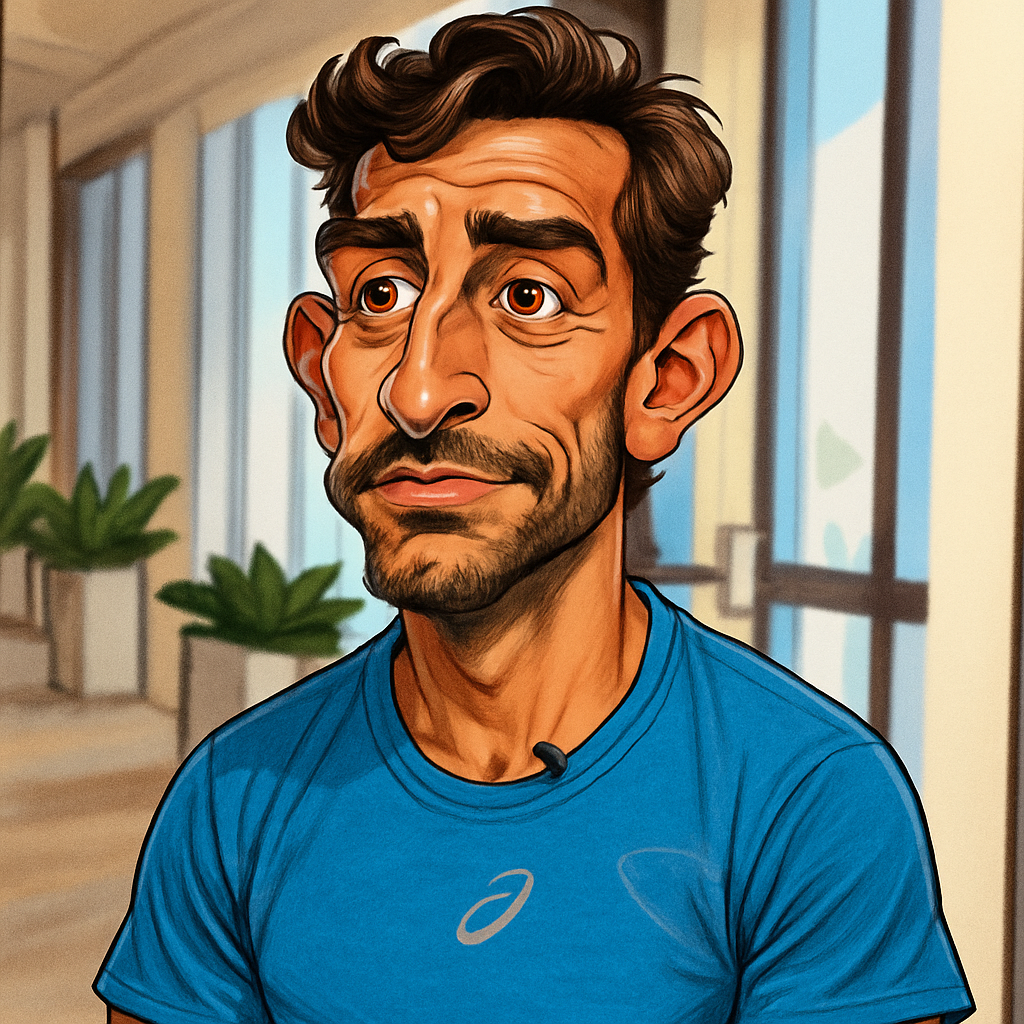
MIAMI — The 2024 Miami Open, already navigating a turbulent season of high-profile withdrawals, suffered another significant blow on Tuesday as Italian star Lorenzo Musetti pulled out of the tournament due to a right adductor injury. The world No. 24’s departure adds to a growing list of absentees that has cast a shadow over the prestigious ATP Masters 1000 and WTA 1000 event, raising questions about player scheduling, physical toll, and the tournament's star power in its crucial early rounds.
Musetti’s withdrawal was confirmed by tournament officials, who announced that Argentina’s Facundo Díaz Acosta would take his place in the draw as a lucky loser. The young Italian, known for his elegant one-handed backhand and clay-court prowess, was slated to face China’s Zhang Zhizhen in the second round. His exit follows the pre-tournament losses of defending champion Daniil Medvedev, who cited an adductor issue, and the last-minute withdrawal of 2022 champion Carlos Alcaraz, who was forced to pull out due to a right ankle injury sustained in his opening match at the Rio Open.
A Cascade of Cancellations Disrupts the Draw
The "Sunshine Double" – the back-to-back hardcourt tournaments at Indian Wells and Miami – is notoriously grueling, and this year’s physical demands are manifesting in a stark way on the entry lists. The men’s field in Miami has been particularly decimated, with several top contenders falling before a ball was struck in the main draw. Beyond Medvedev and Alcaraz, other notable absences include:
- Jannik Sinner: The Australian Open champion and recent Indian Wells titlist withdrew to manage his schedule and physical condition after a blistering start to the season.
- Holger Rune: The Danish world No. 7 pulled out citing ongoing physical issues that have hampered his consistency.
- Alexander Zverev: The German Olympic gold medalist withdrew due to illness, further thinning the top-tier competition.
This wave of withdrawals has forced significant reshuffling of the draw, elevating lower-seeded players and lucky losers into positions they would not typically occupy. Tournament director James Blake addressed the situation, stating, "While we are disappointed for the fans who were excited to see these incredible athletes compete, player health is the ultimate priority. We have a deep field, and this creates opportunity for others to make a breakthrough."
The Physical Toll of the Modern Tennis Calendar
The concentration of withdrawals points to a larger, ongoing conversation within tennis about the length of the season and the density of the mandatory Masters 1000 events. The transition from the slow, gritty hard courts of Indian Wells to the faster, often more humid conditions in Miami places unique stress on players' bodies. Sports medicine specialists note that adductor and abdominal injuries, like those affecting Medvedev and Musetti, are common when players are fatigued and compensating for minor imbalances.
Dr. Ara Suppiah, a physician who has worked with numerous tennis professionals, explained the challenge: "The Miami Open comes at a critical juncture. Many players have already played extensive hard-court tennis since January. The body's resilience is lower, and the change in conditions—especially the humidity—can lead to quicker dehydration and muscle tightness, increasing injury risk. It's a perfect storm for soft-tissue injuries."
This reality has led to more players, especially those who have deep runs at the Australian Open and Indian Wells, making calculated decisions to preserve their health for the clay and grass seasons. Sinner’s withdrawal, while disappointing for Miami, is seen as a prudent long-term move by his team. The question for tournaments like Miami is how to maintain their prestige when the sport's biggest names are increasingly selective about their participation.
Impact on the WTA Side and Tournament Operations
While the men’s draw has faced the brunt of the pull-outs, the women’s event has not been immune. Reigning Wimbledon champion Markéta Vondroušová withdrew before the tournament began with a hip injury, and former world No. 1 Karolína Plíšková also pulled out. Furthermore, the tournament’s schedule itself took a hit on Monday when persistent rain caused a near-total washout of the day session, forcing the cancellation of 23 matches and creating a significant backlog.
This logistical nightmare, combined with the absent stars, presents a dual challenge for organizers: keeping fans engaged and managing a compressed schedule for the remaining players. Ticket sales for specific sessions, particularly those built around marquee names like Alcaraz or Medvedev, are inevitably affected. Tournament organizers have emphasized their "rain guarantee" policy and the depth of talent still present, including Novak Djokovic, who is seeking his first Miami title since 2016, and women's top seed Iga Świątek.
Looking Ahead: Resilience and Opportunity
Despite the setbacks, the Miami Open continues, and the vacuum created by the withdrawals opens the door for compelling storylines. Younger players and tour veterans alike now see a clearer path to the later rounds. American hopefuls like Taylor Fritz and Tommy Paul will feel increased pressure and opportunity to perform in front of a home crowd. The women’s draw remains fiercely competitive, with Świątek, Coco Gauff, and Elena Rybakina all vying for the title and the coveted No. 1 ranking.
The situation also reignites debates about potential calendar reforms. Some analysts and players have suggested increasing the gap between Indian Wells and Miami or even altering the mandatory status of one of the events to allow for more flexible scheduling. As tennis legend and commentator Jim Courier noted in a broadcast, "The calendar is a beast. We ask these athletes to be global warriors for 11 months a year, and sometimes the body simply says 'no.'"
In conclusion, while the withdrawal of Lorenzo Musetti is another sting for the Miami Open, it is a symptom of a broader dynamic in professional tennis. The tournament’s challenge is to weather this storm of cancellations and rain delays, showcasing the resilience of the sport itself. For every star that falls, another player gets a chance to shine on a massive stage, ensuring that the competition, though altered, remains as compelling and unpredictable as ever. The true test will be whether the narratives forged in adversity can capture the imagination of the fans and overshadow the disappointment of the missing marquee names.