
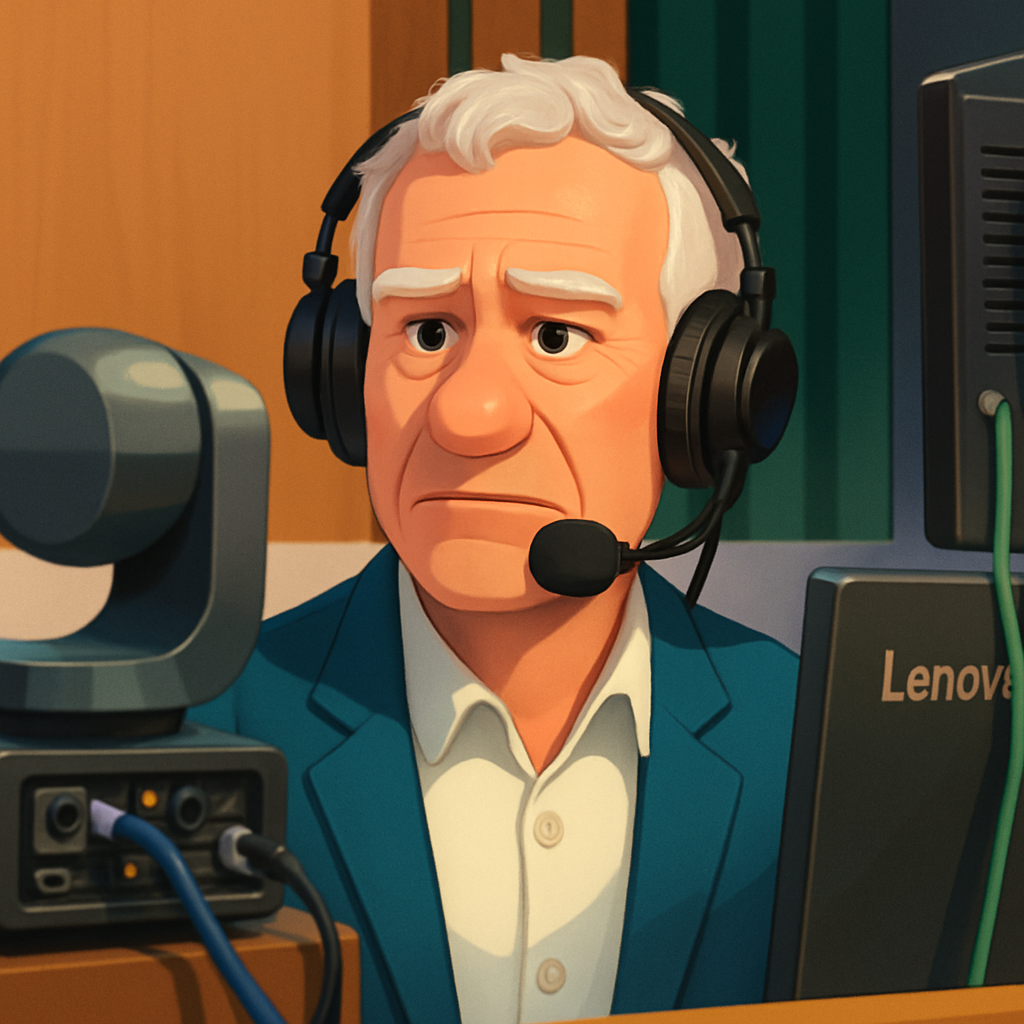
MELBOURNE — The Australian Open is renowned for its electric atmosphere, blistering heat, and often, the unfiltered commentary of its star analysts. During a tense moment in a recent match, legendary American tennis icon John McEnroe, known as much for his volcanic on-court temper as his sublime volleying skills, delivered a sudden and sobering interjection that shifted the focus from forehands to a much broader, and bleaker, sporting landscape.
While calling a match on ESPN, McEnroe pivoted from discussing a player's service motion to lamenting the current state of professional sports fandom. His comment, described by many viewers as "depressing" and "brutally honest," cut to the heart of a modern dilemma: the escalating cost and commercial fragmentation that is pricing out the average supporter. "It's getting depressing, frankly, to talk about how much it costs to be a sports fan," McEnroe stated bluntly.
The Catalyst: A Fan's World of Subscriptions
McEnroe's outburst wasn't born in a vacuum. It was triggered by a discussion about the global nature of the tournament and how fans around the world access content. The conversation turned to the myriad streaming services, premium cable packages, and exclusive broadcasting rights deals that have replaced the simplicity of turning on a network television channel. For McEnroe, a self-proclaimed huge sports fan beyond tennis, this reality is antithetical to the communal, accessible spirit of sport he championed in his playing days.
He elaborated, painting a picture of financial exhaustion for the dedicated fan: "Think about it. To follow your teams, to watch the big events, you need this subscription for that league, that app for this tournament. You want football? That's one service. Basketball? Another. Tennis? It's split across three different platforms. Then you have the pay-per-view events. It's a small fortune just to watch the games you love." His co-commentators were momentarily silent, allowing the weight of the observation to hang in the air.
McEnroe's Fandom: Beyond the Tennis Court
To understand the passion behind the comment, one must recognize that John McEnroe is not just a tennis analyst; he is a voracious consumer of sports. A native New Yorker, he is a famously die-hard fan of the city's teams, particularly the NBA's New York Knicks and the NFL's New York Giants. He is a regular, and often vocal, presence at Madison Square Garden and MetLife Stadium. His perspective is that of the everyman fan who feels increasingly alienated by the business of sport.
In past interviews, McEnroe has frequently spoken about the raw, connecting power of live sports. He views the current model as a barrier to that connection, especially for younger generations and families. "The kids today, they can't just flip on the TV and stumble upon a classic rivalry. You have to seek it out and pay for the privilege," he has said. This concern formed the subtext of his Australian Open commentary—a fear that sport's foundational audience is being eroded.
The Fragmented Sports Media Landscape
The issue McEnroe highlighted is a well-documented crisis in sports broadcasting. The migration from broad-reach network and cable TV to exclusive, direct-to-consumer streaming deals has created a complex and expensive puzzle for fans. To follow a single sport like tennis comprehensively, a fan may now need subscriptions to:
- ESPN+ for many ATP and WTA tournaments.
- Tennis Channel Plus for others.
- A local cable/satellite package for Grand Slams on ESPN.
- Amazon Prime Video for exclusive rights in certain regions like the UK.
This "à la carte" model, while profitable for leagues and networks, places the financial burden squarely on the viewer. McEnroe’s comment resonated because it gave voice to a widespread frustration. Social media quickly lit up with agreement, with fans sharing their own "subscription horror stories" and monthly bills dedicated solely to sports content.
The Broader Impact on the Sports Ecosystem
McEnroe’s point extends beyond viewer inconvenience. Analysts argue that this fragmentation risks diminishing the cultural footprint of sports. When events are walled off in streaming silos, they lose the chance to capture the casual viewer—the channel-surfer who becomes a lifelong fan after accidentally witnessing a magical moment. This serendipitous discovery, a key driver of sport's growth for decades, is becoming a relic of the past.
Furthermore, the commentator hinted at a deeper existential worry: "We're in an arena, the energy is incredible. But how many people at home are actually seeing this? Are we just talking to a niche audience now? That's not what sport is supposed to be about." His concern touches on the very purpose of broadcasting: to amplify the event to the widest possible audience, sharing in its collective drama and joy.
Reaction and the Path Forward
The reaction from the broadcasting booth and the wider tennis community was one of tacit acknowledgment. While his fellow commentators offered a light-hearted, "Tell us how you really feel, John," they didn't dispute his core argument. Tennis journalists and pundits have since praised McEnroe for using his substantial platform to highlight an issue that governing bodies and networks often sidestep.
The solution is not simple. The genie of lucrative streaming deals cannot be put back in the bottle. However, McEnroe’s "depressing" interjection serves as a crucial pressure point. It may encourage sports leagues to consider hybrid models—maintaining broad, free-to-air coverage for flagship events while offering deeper, subscription-based content—to preserve both revenue and accessibility. As media rights negotiations for future cycles begin, the voice of the fan, even when channeled through a frustrated legend in the commentary box, will be an essential part of the conversation.
In the end, John McEnroe’s Australian Open commentary moment was more than a rant; it was a poignant critique from a purist. It underscored that while the business of sport evolves at a breakneck pace, the fundamental desire of fans to connect with their heroes and share in the drama must remain paramount. As he signed off later, perhaps with a wry smile, the point was made: the cost of fandom is becoming a barrier to entry, and the sports world cannot afford to ignore the warning from one of its most passionate voices.