
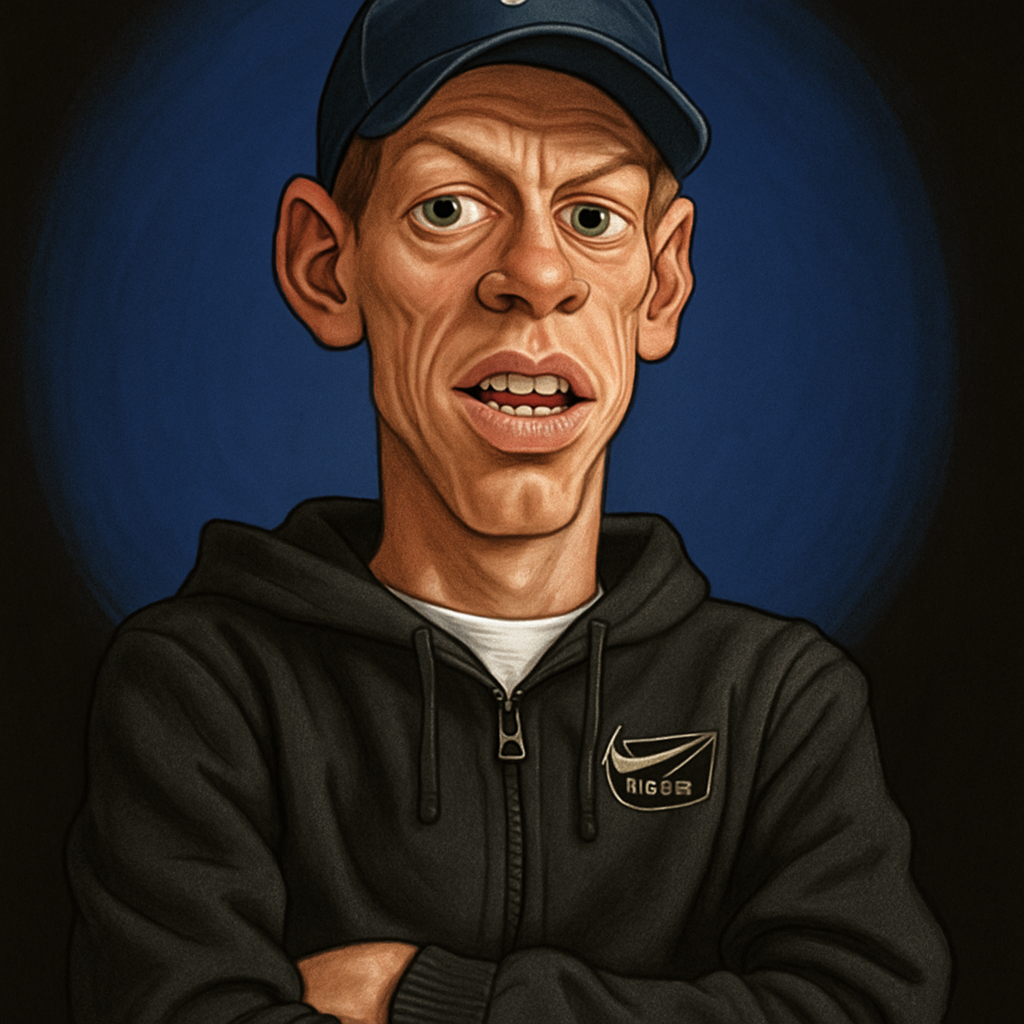
MONTE CARLO — In the high-stakes, globe-trotting world of professional tennis, where players are often surrounded by a tight-knit entourage of coaches, physios, and family, the absence of Jannik Sinner’s parents from his player box is a notable and poignant detail. The young Italian superstar, who has rocketed to World No. 1 and captured the 2024 Australian Open title, has opened up about the heartbreaking reason behind their absence, revealing a deeply personal family sacrifice that underscores his remarkable journey.
A Deliberate Choice for Normalcy
Unlike many of his peers who have parents frequently in attendance, Sinner’s mother, Siglinde, and father, Johann, have made a conscious and consistent choice to remain at their home in Sexten, in the tranquil Dolomite mountains of northern Italy. In various interviews over the years, Sinner has explained that this decision stems from a desire to preserve a sense of normalcy and separation between his intense professional life and his family’s private world. “They prefer to stay at home,” Sinner has said, framing it not as a lack of support, but as a different form of it.
The core of their reasoning is both simple and profound: they want their home to remain Jannik’s sanctuary, a place untouched by the pressures of tour life. “For me, it’s important that when I go home, I can be Jannik, and not the tennis player,” he explained to the media. “They want home to be home. If they were at every tournament, then home would feel like another tournament environment.” This boundary allows Sinner to mentally decompress and reconnect with his roots away from the spotlight.
The Heartbreaking Catalyst: A Childhood Sacrifice
While the desire for normalcy is a key factor, Sinner has also shared a more heartbreaking layer to the story. His parents made immense sacrifices from the very beginning of his athletic career, which now influences their decision to stay away. At the age of 13, Sinner left home to move to the Riviera Academy in Bordighera, over 500 kilometers away, to pursue tennis seriously. This was an emotional and financial strain on the family. His father worked as a chef and his mother as a waitress at the ski resort in Sexten.
In a candid revelation, Sinner explained that his parents’ absence from tournaments is partly because the memories of those early sacrifices are too painful for them to relive in the competitive arena. “They gave up so much for me,” Sinner shared, his voice often tinged with emotion. “Seeing me play, under that pressure, it brings back all the anxiety and worry from those early days. It’s harder for them to watch than for me to play.”
He elaborated that watching him compete live triggers a level of nervousness and emotional turmoil that they find overwhelming. For them, watching on television from the comfort of their home, where they can control the environment, is a more manageable way to support their son. This poignant admission highlights the often-unseen emotional toll a player’s career takes on a family.
The Sinner Support System: Who *Is* in the Box?
While his parents are not physically present, Sinner is far from alone. His player box is a portrait of a modern, professional team that has become his surrogate family on the road. Key figures include:
• Darren Cahill & Simone Vagnozzi: His coaching duo, with Cahill providing veteran strategic wisdom and Vagnozzi focusing on technical development.
• Umberto Ferrara: His longtime physiotherapist and fitness trainer, crucial for managing Sinner’s physical development and preventing injuries.
• Andrea Volpini: His mental coach, who helps him maintain the famed "Sinner calm" under pressure.
This team provides the technical, physical, and emotional support he needs courtside. Sinner has repeatedly credited this stable unit for his meteoric rise. Yet, he always emphasizes that his parents’ support, though distant, is the foundation. “They are my biggest fans, even if they are not in the front row,” he states.
A Reflection of Humble Roots
The choice also reflects the Sinner family’s inherently humble and grounded nature. Hailing from a small, close-knit Alpine community, they embody a values system that prioritizes family, hard work, and modesty over glamour and fame. The whirlwind of international tennis tournaments—with its private jets, luxury hotels, and constant media attention—is a world away from Sexten.
Sinner’s own demeanor, often described as quiet, respectful, and intensely focused, is a direct product of this upbringing. By staying home, his parents help him stay connected to that core identity. “They taught me the values I have today,” Sinner has said. “Respect, hard work, humility. When I go home, we talk about normal things. We go for walks. That keeps me balanced.”
This dynamic has become a defining and respected part of Sinner’s narrative. Fans and commentators alike see his parents’ absence not as a deficit, but as a powerful symbol of a different kind of love—one that prioritizes his long-term well-being over short-term presence. It underscores that his success is built not on stage-parenting, but on a foundation of sacrifice and the freedom to build his own professional life.
Conclusion: Strength in Distance
Jannik Sinner’s explanation for why his parents don’t attend his matches reveals a complex and deeply emotional family story. It is a tale of immense childhood sacrifice, a deliberate strategy to protect his mental sanctuary, and a heartfelt admission that the spectacle of competition is sometimes too painful for those who love him most. Their support is unwavering but expressed from a distance, allowing Sinner to thrive in his profession while preserving the precious, normal family life they worked so hard to give him.
In an era of constant connectivity and hyper-visibility, the Sinner family’s choice is a poignant reminder of the power of boundaries and the different forms love can take. As Sinner continues to dominate the tennis world, his greatest strength may well be that quiet home in the mountains, a place where he is simply Jannik, and where the unconditional support of his parents awaits, no trophy or ranking required.