
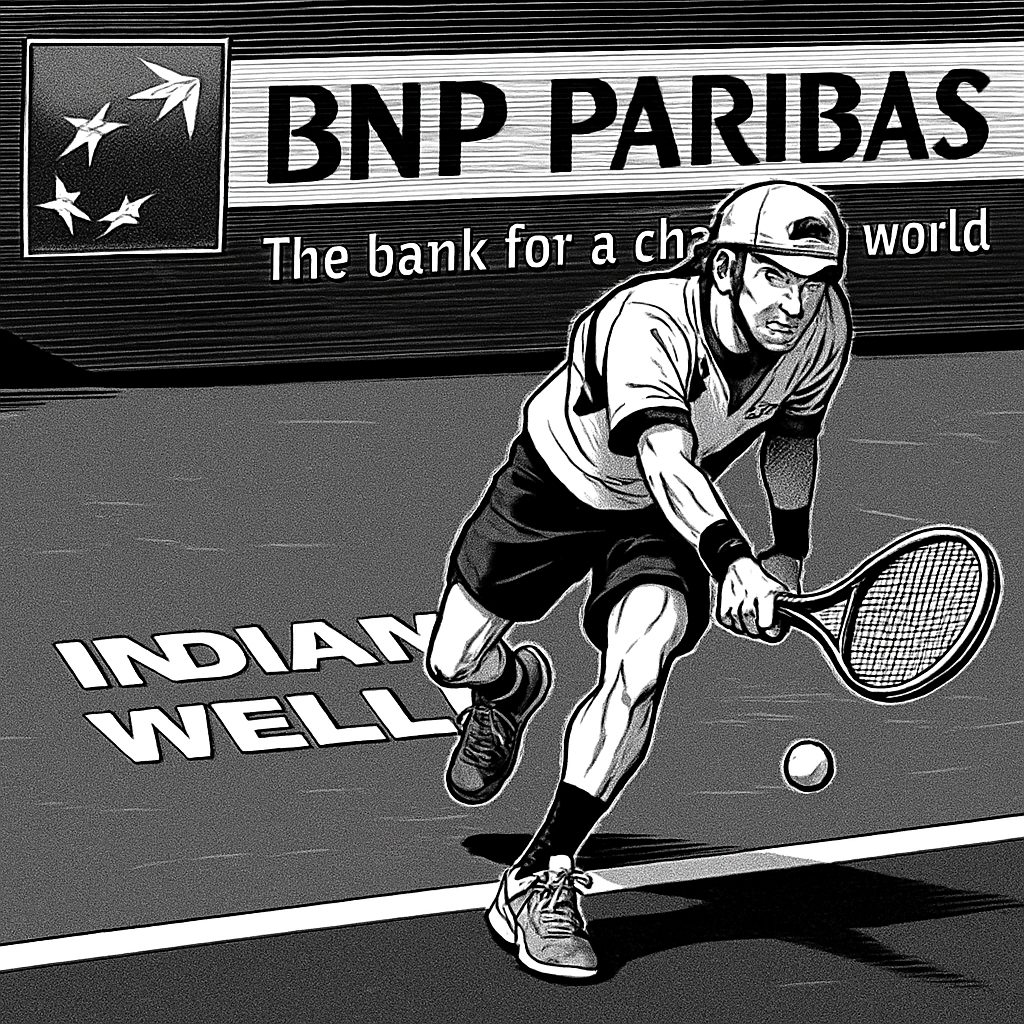
INDIAN WELLS — The prestigious BNP Paribas Open, a tournament celebrated for its pristine courts and idyllic desert setting, has been overshadowed by a wave of illness sweeping through the player field, culminating in a distressing scene that saw Wimbledon finalist Ons Jabeur collapse to the ground in pain during her third-round match. The incident has ignited widespread concern among competitors, with many speculating about a contagious "virus" circulating in the locker rooms and player areas.
Jabeur, the popular Tunisian star and crowd favorite, was trailing 5-1 in the first set against Russian opponent Anastasia Potapova when she began to show visible signs of distress. After a point, she bent over at the baseline, clutching her abdomen before slowly sinking to her knees and then lying flat on the court. Medical personnel rushed to her side as a hushed concern fell over Stadium 1. After several minutes of treatment, Jabeur was helped to her feet but was forced to retire from the match, a devastating blow to her hopes at a tournament where she has historically performed well.
A Scene of Alarm and Growing Anxiety
The sight of a top athlete like Jabeur succumbing to such acute discomfort sent a ripple of alarm through the tennis community. In her post-match press conference, a visibly weakened Jabeur described her symptoms. "I started feeling it yesterday, a little bit my stomach, and today was getting worse," she explained. "I couldn't breathe. I couldn't, you know, be on the court. I was just trying, but I think the game was over from the beginning."
Jabeur's ordeal is not an isolated incident at this year's Indian Wells. Several other players have withdrawn or competed while visibly ill, fueling talk of a "virus" making the rounds. Former world No. 1 Angelique Kerber withdrew before her second-round match citing illness. Emma Raducanu, the 2021 US Open champion, played her third-round match against Aryna Sabalenka while reportedly feeling unwell and was decisively defeated. Sabalenka herself, the world No. 2, revealed she had been battling sickness for days prior to the event.
Players Voice Their Concerns Publicly
The shared experience has led to open discussion among players about the conditions. After her own match, Sabalenka commented on the situation, stating, "I've been sick the last three days. I think there is something going around. A lot of players are getting sick. I'm just happy that I was able to play today and get this win." Her remarks confirmed the suspicions of many fans and analysts who had noted an unusual number of health-related withdrawals and subpar performances.
The list of affected athletes extends beyond the women's draw. In the men's event, fifth-ranked Andrey Rublev withdrew before his opening match due to a respiratory illness. French veteran Gaël Monfils also retired during his first-round contest while suffering from what he described as a virus. The pattern of symptoms—primarily respiratory issues, stomach pain, and general fatigue—points to a highly contagious bug thriving in the close-quarter environment of a professional tennis tour.
The Perfect Storm for Contagion
Tennis tournaments, especially combined events like Indian Wells with large draws, are notorious breeding grounds for illness. Players, coaches, and staff from all over the world converge, sharing air-conditioned indoor spaces, gyms, player lounges, and transportation. The physical and mental stress of competition can also temporarily weaken immune systems, making athletes more susceptible. This creates a perfect storm for the rapid spread of viral infections.
Tournament organizers have stated they are following standard health protocols, but the outbreak raises questions about whether additional preventative measures are needed at large-scale sporting events. The situation is particularly sensitive in the wake of the global pandemic, which brought heightened awareness to public health in athletic settings. While not comparable to COVID-19 in severity, the current virus is significantly impacting the competition's integrity and the players' wellbeing.
Impact on the Tournament and Beyond
The spate of illnesses has undeniably altered the landscape of the tournament. Key storylines and anticipated matchups have been cut short, disappointing fans and affecting the competitive balance. For the players, the consequences are more direct:
- Physical Toll: Acute symptoms force withdrawal or severely hampered performance.
- Competitive Disadvantage: Facing a healthy opponent while ill is a near-impossible task.
- Schedule Disruption: Illness can derail carefully planned training and tournament schedules.
- Long-term Health: Playing while sick risks prolonging illness or causing secondary issues.
The concern now extends to the upcoming Miami Open, the second leg of the "Sunshine Double," which begins immediately after Indian Wells concludes. Players and teams are anxious about carrying the virus to Florida, potentially sparking another outbreak. The tight travel schedule and similar tournament environment provide little opportunity for a complete break in the chain of transmission unless rigorous health measures are taken.
Looking Ahead: Health as a Priority
Ons Jabeur's collapse served as a stark, visual reminder that athletes, despite their supreme fitness, are not invincible to common illnesses. Her priority, as she stated, is recovery. "I'm going to see a doctor and try to feel better. Health comes first, then we'll see about the future," she said, casting doubt on her participation in Miami.
The incident has sparked a broader conversation within tennis about managing player health in a packed calendar. While viruses are an unavoidable hazard of global travel, the concentration of cases at Indian Wells suggests environmental factors may be at play. Players are likely to call for a review of health protocols at tournament sites, including enhanced sanitation of common areas and better isolation facilities for those who fall ill.
As the tournament progresses into its final stages, the hope is that the wave of illness has peaked. However, the image of a stricken Ons Jabeur on the blue hard court will remain the defining, troubling snapshot of this year's Indian Wells—a championship marred not by controversy or upset, but by a simple, debilitating virus that reminded everyone of the human element at the heart of elite sport.