
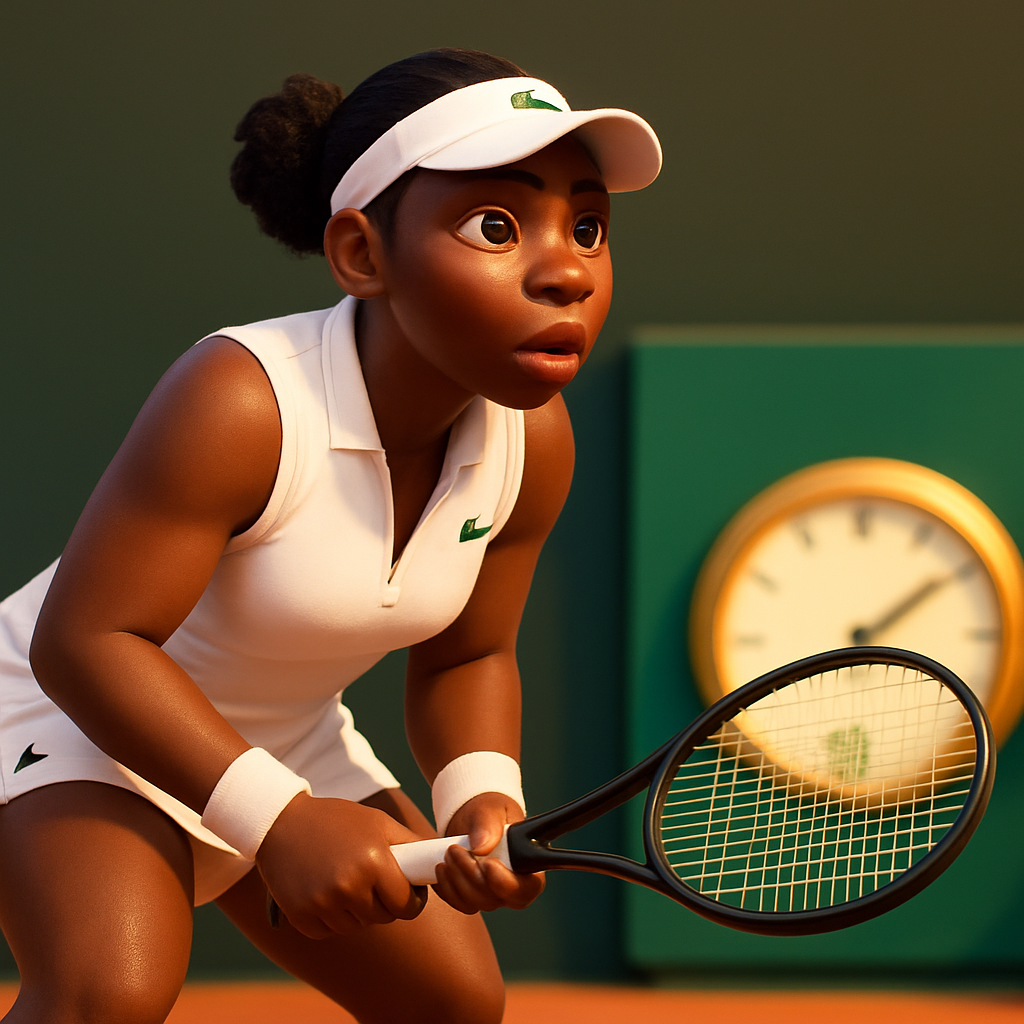
INDIAN WELLS — The prestigious BNP Paribas Open at Indian Wells found itself in an uncomfortable and public controversy this week, issuing a formal apology to tennis legend Venus Williams after a communication breakdown led to her being blocked from playing in the women's doubles draw, despite being set to receive a wildcard entry.
The seven-time Grand Slam singles champion and four-time Olympic gold medalist had planned to partner with Australian player Daria Saville, with the tournament reportedly prepared to grant the pair one of its coveted wildcards. However, in a procedural misstep that tournament director Tommy Haas later called "an administrative error," Williams was prevented from entering the competition, leaving fans, players, and the Williams camp stunned.
A Breakdown in Communication
The issue stemmed from the tournament's deadline for submitting official wildcard confirmations. While Williams and Saville had been in discussions with the tournament and were under the impression their wildcard was secured, the formal paperwork was not finalized by the tournament's internal deadline. Consequently, the WTA's entry system automatically locked Williams out, listing her as "not eligible" for the doubles draw when the official entry list was published.
Saville took to social media to express her frustration, revealing the behind-the-scenes confusion. "We were supposed to play but they didn’t accept the wild card on time. Very last minute, but we were told we were in and then at 1am last night I got a message that we were out. Venus is a legend of the sport and it’s Indian Wells… it’s a bit of a weird situation."
The incident sparked immediate backlash from the tennis community, questioning how a tournament of Indian Wells' stature could mishandle the participation of one of the game's most iconic figures. Fans and commentators noted the particular irony, as the tournament has a complex history with the Williams sisters, who boycotted the event for over a decade following racist taunts directed at them and their father in 2001.
Tournament Director Issues Mea Culpa
Facing mounting criticism, Indian Wells Tournament Director and former world No. 2 Tommy Haas moved quickly to contain the fallout. He issued a detailed public apology, taking full responsibility for the error. "I want to personally apologize to Venus Williams, Daria Saville, as well as all the fans and sponsors of the BNP Paribas Open," Haas stated.
He explained the sequence of events, noting, "Venus and Daria were set to receive a doubles wildcard. Due to an administrative error, the wildcard was not submitted in time to be processed into the draw before the deadline. We are reviewing our internal processes to ensure this does not happen again."
Haas emphasized the tournament's deep respect for Williams, highlighting her monumental contributions to the sport. "Venus is a beloved champion and icon of our sport, and she is always welcome at Indian Wells." His prompt and unequivocal apology was widely seen as a necessary step to mend fences and demonstrate the tournament's evolved culture since the 2001 incident.
A Missed Opportunity for All
The error represented a significant missed opportunity on multiple fronts. For the tournament, it deprived fans of seeing the 43-year-old Williams, whose powerful serve and competitive fire remain a major draw, compete on one of tennis's biggest stages. For Williams, it was a chance to gain valuable match play alongside Saville, a capable doubles partner, as she continues her latest comeback from injury.
The situation also highlighted the sometimes-Byzantine nature of tournament entry rules and wildcard distribution. Key aspects of the process include:
- Wildcard Discretion: Tournaments have a limited number of wildcards they can award at their discretion, often used for local players, returning stars, or compelling storylines.
- System Deadlines: The WTA's computerized entry system enforces strict, automated deadlines. Once passed, even tournament officials cannot override the lock without exceptional approval.
- Communication Protocol: The incident underscores the critical need for clear, confirmed communication between player teams and tournament administrators well ahead of cut-off times.
This was not Williams's first wildcard-related challenge this season. At the Australian Open, she was initially denied a wildcard for the singles draw, though she and sister Serena were later granted one for the doubles event, which they ultimately did not use. The Indian Wells episode added another layer of frustration to her efforts to schedule matches on her own terms.
Broader Implications and Moving Forward
Beyond the immediate apology, the incident raises questions about procedural safeguards at top-tier events. Many have called for tournaments to implement more robust checks and balances, especially when dealing with players of historic significance. The promise of a "review of internal processes" from Haas will be closely watched to see if concrete changes are made to prevent a repeat.
The tennis world's reaction was largely one of sympathy for Williams and disbelief at the error. Veteran tennis journalist Ben Rothenberg commented, "For Indian Wells to fumble the chance to host Venus, given their painful shared history and her enduring star power, is an unforced error of the highest order. Haas's apology is the right start, but the mistake should never have happened."
For Venus Williams, the episode is a disappointing footnote in her storied career at Indian Wells, a tournament she bravely returned to in 2016 to promote healing and was warmly welcomed back. While the apology has been accepted, the missed chance to compete serves as a reminder of the delicate balance between sport, administration, and legacy.
In the end, the swift apology from tournament leadership likely helped avert a more protracted controversy. It acknowledged Williams's iconic status and reaffirmed her place in the sport. As the tennis tour moves forward, the hope is that other tournaments will learn from Indian Wells' mistake, ensuring that administrative processes never again overshadow the opportunity to celebrate the game's greatest champions.