
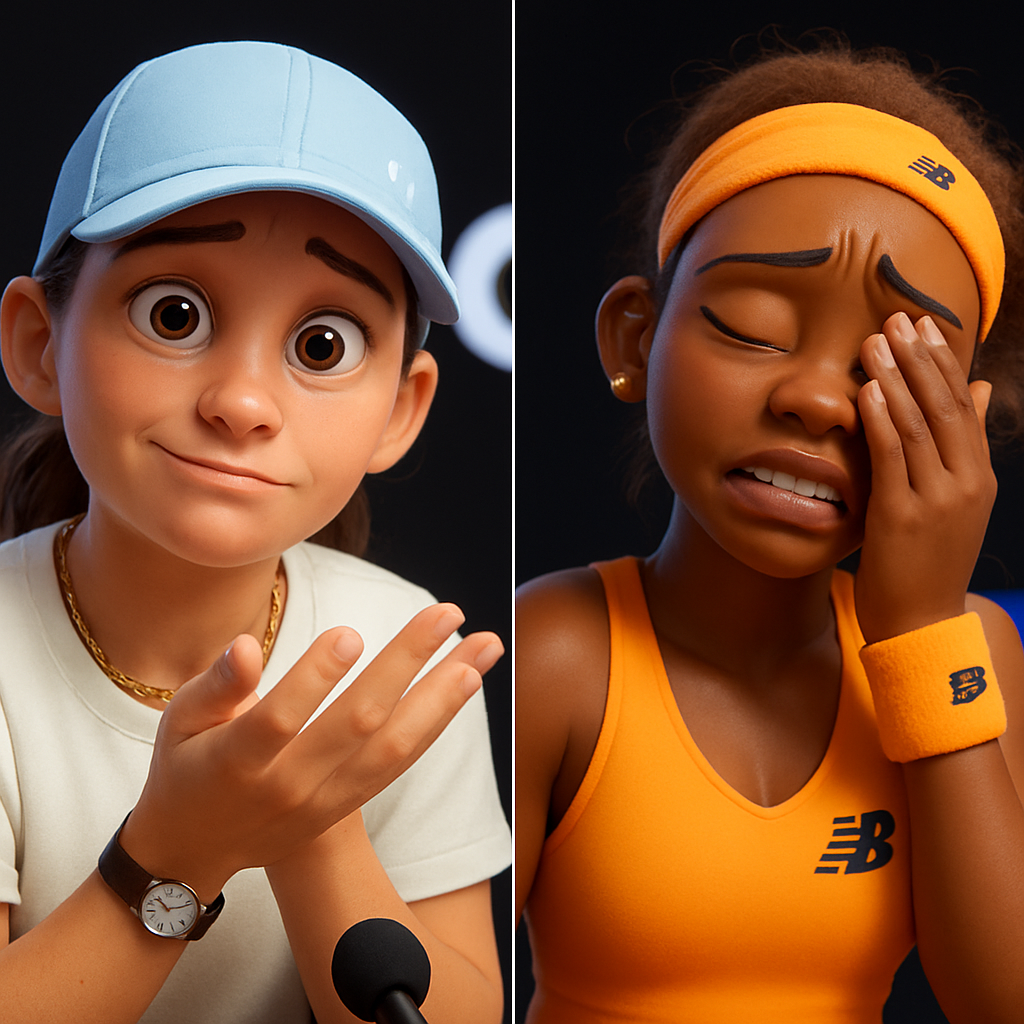
MELBOURNE — As the 2026 tennis season kicks into high gear with the Australian Open, a familiar narrative of dominance is being written by Aryna Sabalenka. The powerful Belarusian, now a three-time defending champion in Melbourne, has stormed through the early rounds with a chilling efficiency that stands in stark contrast to the stuttering starts of her primary rivals, world No. 1 Iga Swiatek and US Open champion Coco Gauff.
For Sabalenka, the music in Melbourne Park is a symphony of crushing forehands and confident roars. Yet, for the chasing pack, the opening notes of the 2026 campaign have been decidedly discordant. While Sabalenka has yet to drop a set, Swiatek and Gauff have both navigated perilous paths, surviving three-set scares against lower-ranked opponents that have exposed uncharacteristic vulnerabilities and raised immediate questions about their form and focus.
A Shaky Foundation for the Top Seeds
The concern is most pronounced for Iga Swiatek. The Polish superstar, known for her metronomic consistency and ruthless dismantling of opponents outside the top 50, was pushed to the absolute brink in her second-round match by World No. 128, Australian wildcard Talia Gibson. Swiatek ultimately prevailed 4-6, 6-4, 7-5, but the performance was riddled with unforced errors and moments of visible frustration. "I felt like I was fighting against myself and my expectations today," Swiatek admitted in her post-match press conference.
Analysts point to several troubling indicators in Swiatek’s early-season game:
- First-Serve Vulnerability: Her first-serve percentage plummeted to 54% against Gibson, robbing her of the free points that usually build her momentum.
- Forehand Inconsistency: Her most reliable weapon became a source of errors, with several crucial shots landing well wide or into the net during key break points.
- Mental Lapses: Uncharacteristic for the four-time major champion, she surrendered a 4-1 lead in the deciding set, requiring a monumental effort to close the match.
This shaky start follows a somewhat turbulent end to her 2025 season, where she ceded the year-end No. 1 ranking to Sabalenka after an early exit at the WTA Finals. The aura of invincibility on hard courts, once a given, has shown significant cracks. As former champion Jim Courier noted on broadcast, "Iga looks like she’s searching for her rhythm. The problem is, in a tournament like this, you often don’t have time to find it."
Gauff’s Growing Pains at a New Level
For Coco Gauff, the 2026 narrative was supposed to be about consolidating her status as a perennial major threat following her breakthrough 2025 season. Instead, her opening match was a three-hour, three-set grind against a determined Daria Saville. While Gauff’s athleticism and fight were never in question, her tactical decision-making and shot selection drew scrutiny. She relied heavily on her defensive skills, allowing the aggressive Saville to dictate play for large stretches. "A win is a win, but I know my level has to be much higher," a candid Gauff told reporters.
The Pressure of Expectation
The challenges for Swiatek and Gauff, while different in nature, share a common root: the immense pressure that comes with their positions. Swiatek is battling the weight of history and the quest to reclaim her undisputed throne, while Gauff is learning to handle the week-in, week-out target that now resides on her back as a Grand Slam champion. This psychological burden can manifest in tight muscles, rushed shots, and a lack of clarity in crucial moments.
Meanwhile, Aryna Sabalenka appears utterly unburdened. Having solidified her serve and tempered her emotions over the past two years, she is playing with a liberated, aggressive joy. Her first-week matches have been masterclasses in controlled power. "I’m just enjoying every second on the court," Sabalenka said with a smile after a 6-0, 6-1 victory. "I know my game, I trust my game."
The Contrast That Defines the Title Race
This dichotomy sets up a fascinating dynamic for the second week. Sabalenka, sitting in the opposite half of the draw from both Swiatek and Gauff, can only meet one of them in the final. Her path, for now, looks decidedly smoother. The struggles of the other top seeds send a clear, encouraging message to the rest of the field—the giants are beatable early. It also provides Sabalenka with a potent psychological edge; she is watching her rivals battle through adversity while she cruises.
Tennis legend Martina Navratilova summarized the sentiment: "Aryna is in the driver's seat, no doubt. She’s playing free and confident. Iga and Coco look like they’re driving with the handbrake on. They’re surviving, not thriving. To win a major, especially here where Aryna is queen, you need to be thriving by the second week."
The question now is whether these early struggles will prove to be a necessary wake-up call or a fatal flaw. Both Swiatek and Gauff have the champion’s mentality to reset and raise their level. History is filled with champions who scraped through early rounds before peaking for the finals. However, the margin for error has vanished. Any dip in concentration or execution against the higher-caliber opponents awaiting in the quarter and semi-finals will be punished mercilessly.
Conclusion: A Season-Defining Fortnight Ahead
The opening act of the 2026 season has delivered a compelling plot twist. The anticipated three-way battle for supremacy currently features one gladiator in peak form and two others searching for their best weapons. For Iga Swiatek and Coco Gauff, the concerns raised in Melbourne are real and must be addressed immediately. For Aryna Sabalenka, the stumbles of her rivals are a sweet melody, reinforcing her belief that this title—and perhaps the No. 1 ranking for the foreseeable future—is hers to lose. The rest of this Australian Open will reveal whether this was merely a brief tremor or the sign of a significant power shift at the summit of women’s tennis.