
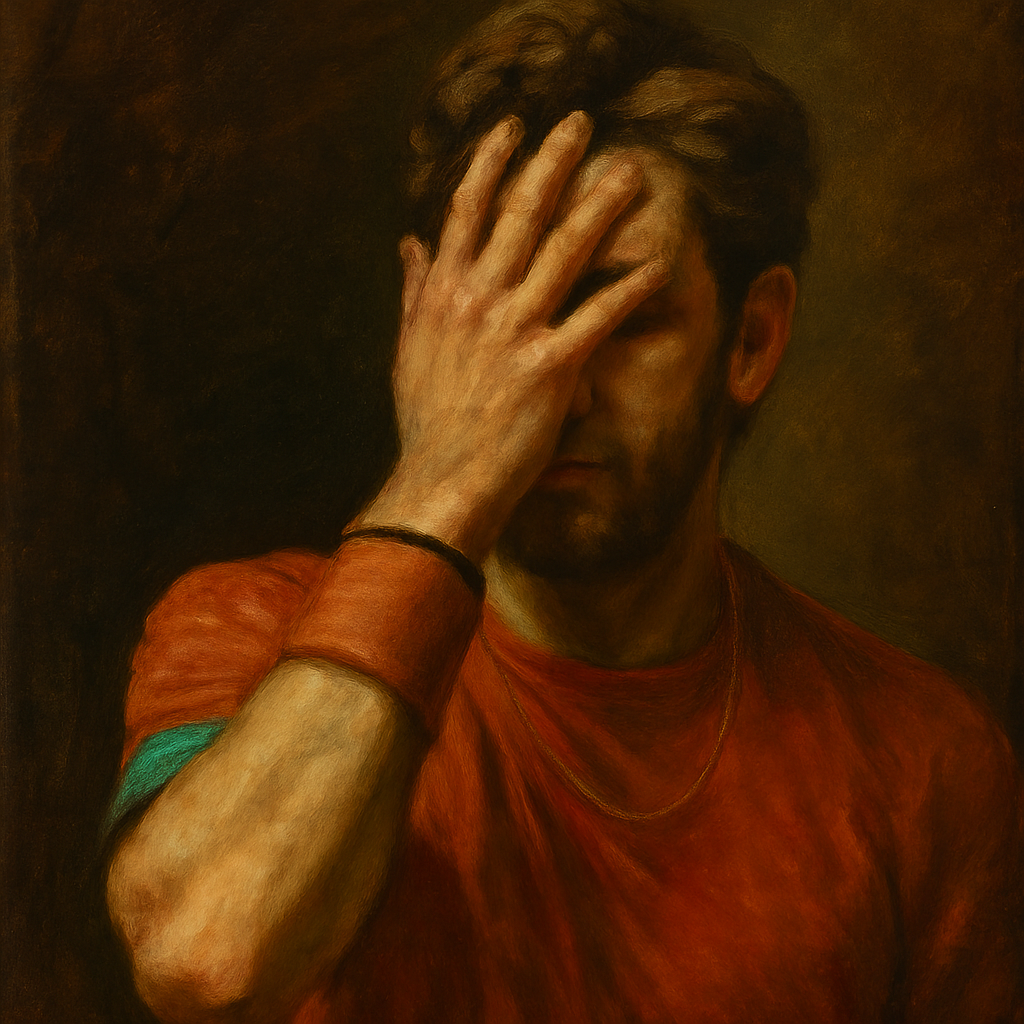
As Cameron Norrie prepares to face Alexander Zverev at the Italian Open, the statistics present a daunting challenge. The British number one has stepped onto the court against the German powerhouse seven times in his career. He has lost all seven. This isn't just a poor record; it's a perfect, one-sided streak that defines their rivalry. For Norrie, and for any athlete trapped in such a pattern, the question becomes psychological as much as tactical: how do you end a one-sided record?
The Psychological Weight of the Head-to-Head
The head-to-head (H2H) record is a ubiquitous and often brutal metric in individual sports. It reduces complex, dynamic contests into a simple, unforgiving number. When that number is lopsided, it can cast a long shadow. Sports psychologists note that such records create a unique mental hurdle. The player on the losing end must combat not only their opponent's game but also the narrative of inevitability that the record reinforces. "It becomes a story in your own head," says one former tour professional. "You walk out knowing you've never found a way before, and that doubt is a tenth opponent on the court."
For the player dominating the matchup, the confidence is palpable. Alexander Zverev, speaking about his record over Norrie, has acknowledged the mental edge. "When you've beaten someone many times, you know what to do. You know what works. You step on court believing you will win, and that is a huge advantage in our sport," he said after their most recent encounter in Vienna. This creates a feedback loop: confidence breeds success, which reinforces the psychological barrier for the opponent.
The Arsenal of Responses: From Humour to Obsession
Players develop various coping mechanisms to deal with a negative H2H. Humour is a surprisingly common and effective tool. It deflects pressure and reframes the challenge. Andy Murray, early in his career, famously struggled against Novak Djokovic before turning the tide. He often used dry wit in press conferences to downplay the mounting losses, focusing instead on incremental progress. The key is to use humour not as resignation, but as a way to release tension and approach the next match with a clearer mind.
On the opposite end of the spectrum is obsessive analysis. This involves a forensic breakdown of every previous match, searching for patterns, tiny openings, and moments where the momentum nearly shifted. Players and their teams will watch and rewatch tapes, not just of their own losses, but of matches where their nemesis *has* been beaten. The goal is to construct a new, bespoke game plan, often requiring a stylistic tweak or a tactical gamble. The risk here is overthinking, which can lead to paralysis on the court.
A third approach is radical optimism—a conscious decision to view the record not as a curse, but as an opportunity for a monumental breakthrough. This mindset focuses on the law of averages and the unique motivation that a long-awaited victory would bring. As former Wimbledon champion Pat Cash notes, "The first win against a bogey player is often the sweetest. It unlocks something. You have to want that feeling more than you fear the zero on the scoreboard."
Case Studies: When the Streak Finally Breaks
History offers hope for those stuck in a rut. Some of the sport's most dramatic turnarounds prove that no record is permanent. For years, Roger Federer dominated Andy Roddick, including in heartbreaking Wimbledon finals. Yet Roddick's persistence was finally rewarded with a victory in Miami, a win built on relentless aggression and a refusal to be dictated to. Similarly, Daniil Medvedev lost his first four meetings against Novak Djokovic before famously defeating him in the 2021 US Open final to claim his first major. The breakthrough came from a combination of unwavering belief and a tactical masterclass in disruptive, deep-court defence.
The "Norrie vs. Zverev" Blueprint
Applying this to Norrie's quest, the path to beating Zverev involves navigating specific challenges. Analysts point to a few critical areas where the match-up has consistently favoured the German:
- Serve & First-Strike Tennis: Zverev's massive serve and powerful first forehand allow him to shorten points and avoid Norrie's preferred grind.
- Backhand Exchanges: While Norrie's lefty cross-court forehand is a weapon, trading backhands with Zverev's rock-solid two-hander often leaves the Briton in a neutral or defensive position.
For Norrie to succeed, he may need to embrace more unpredictability—using slice more frequently to disrupt Zverev's rhythm, employing sudden net rushes behind his heavy forehand, and taking risks on second-serve returns. It's about introducing chaos into a pattern that has become all too predictable. As Norrie himself stated ahead of their Italian Open clash, "I've learned from every match. You have to be brave. You can't just do the same thing and expect a different result. I'm going out there to be aggressive and take my chances."
The Value in the Struggle
Ultimately, a one-sided record, while frustrating, is not merely a list of failures. Each match provides a unique data point, a lesson in what doesn't work, and a hardening of competitive resolve. The journey to finally securing that elusive win often forges a better, more versatile, and mentally tougher athlete. The process demands humility, resilience, and an unwavering commitment to problem-solving. The victory, when it comes, is a testament to that journey.
For Cameron Norrie and every athlete facing their own personal hurdle, the end of a streak begins with the decision to step on court not defined by the past, but armed with its lessons. It requires humour to lighten the load, optimism to fuel the effort, and a clear-eyed analysis to find a new way through. The record books may show a history of defeat, but as these sporting battles teach us, history is always waiting to be rewritten. The next point, the next game, the next match, always offers a chance to start a new story.