
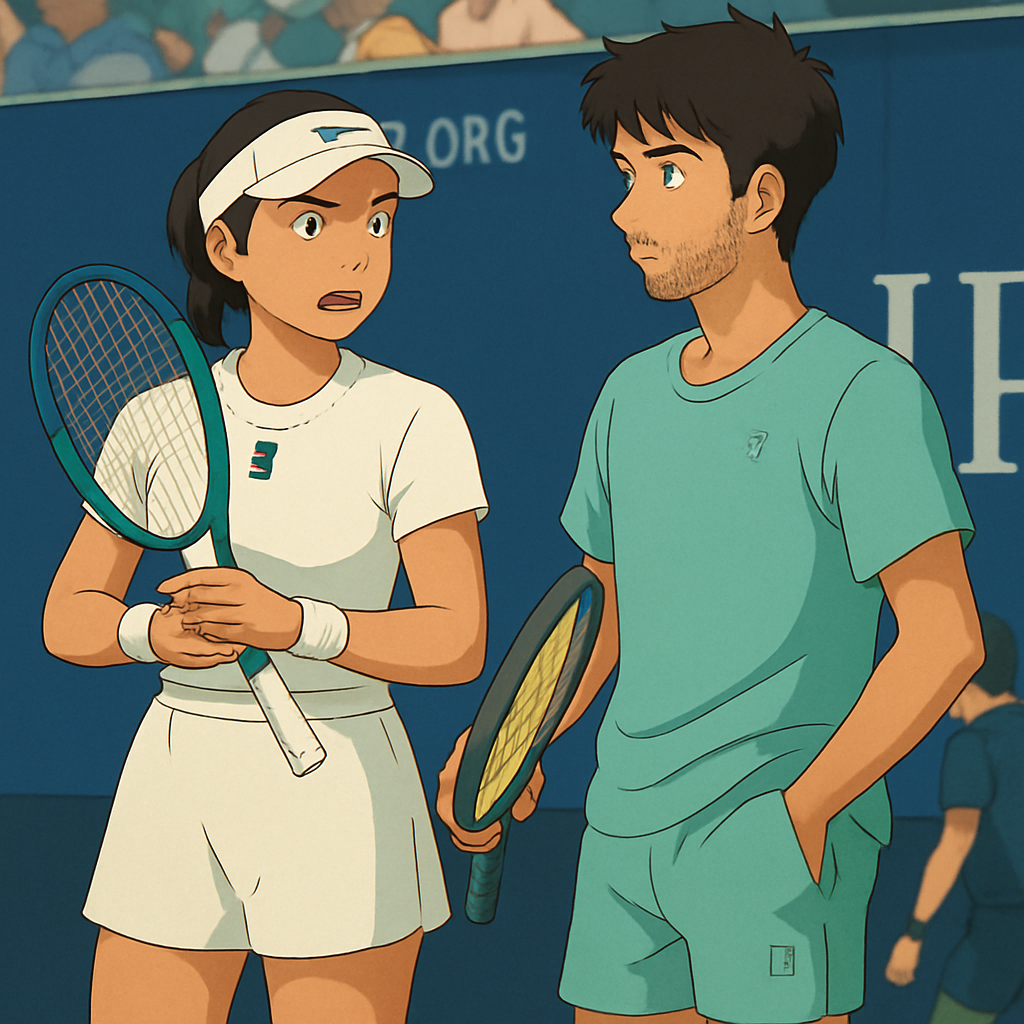
LONDON — The lucrative but demanding off-season exhibition circuit has become a point of contention in the tennis world, with young stars Carlos Alcaraz and Emma Raducanu taking starkly different approaches, prompting a stark warning for the Spanish sensation.
While Alcaraz is set to embark on a multi-stop, multi-million dollar tour across South America and Europe, Raducanu has made the decision to withdraw from two high-profile events that were set to feature them both, prioritizing a full and focused pre-season ahead of the 2025 campaign.
The Midas Touch and the Marathon Mindset
For Carlos Alcaraz, the 2024 season was another demonstration of his prodigious talent, capped by a successful defense of his Wimbledon title. This success has made him one of the most marketable athletes on the planet, and the exhibition circuit is eager to capitalize. His upcoming schedule, often referred to as the "money-making season," is a whirlwind:
- A six-city tour across South America with Jannik Sinner in November.
- A "Rivalry on the Riviera" match against Novak Djokovic in Marseille, France.
- A series of events in the Middle East in December.
This packed itinerary, while incredibly profitable, has raised eyebrows among pundits and former players. The physical and mental toll of constant travel and high-intensity matches, even in an exhibition format, is not insignificant. Tennis legend John McEnroe voiced a concern shared by many, stating, "He's got to be careful not to burn out. The season is long enough as it is."
Raducanu's Strategic Withdrawal
In stark contrast to Alcaraz's globe-trotting plans, Emma Raducanu has opted for a quieter path. The 2021 US Open champion has officially withdrawn from two major exhibition events: the Mubadala World Tennis Championship in Abu Dhabi and the World Tennis League in the UAE. Both events were slated to be high-profile showcases featuring Alcaraz, underscoring the drawing power of a potential matchup between the two young stars.
A statement from Raducanu's team clarified that the decision was "strategic and health-focused," emphasizing her commitment to building a solid foundation for the upcoming season. After a season marred by injury and a subsequent climb back up the rankings, Raducanu is clearly prioritizing long-term career health over short-term financial gain.
This approach has been praised by analysts who point to Raducanu's previous struggles with various physical ailments. A source close to the player was quoted as saying, "Emma's entire focus is on being 100% fit and ready for the Australian Open. Nothing is allowed to interfere with that preparation."
The Allure and Risk of the Exhibition Circuit
Exhibition matches occupy a unique space in professional tennis. They offer players a chance to earn significant appearance fees—often exceeding their prize money for deep runs at Grand Slams—in a lower-pressure environment. For fans in regions that don't host ATP or WTA tournaments, they provide a rare opportunity to see the world's best players live. However, the risks are palpable:
- Physical Fatigue: The travel and match play, while unofficial, still place stress on the body.
- Mental Burnout: The lack of a true off-season can lead to a loss of motivation.
- Injury: The risk of a freak injury is ever-present, potentially derailing an entire season.
This is the tightrope that Alcaraz is now walking. His team has defended the schedule, suggesting the matches serve as valuable competitive practice. However, the concern is that at just 21 years old, the cumulative effect of such a relentless year-round schedule could shorten his peak competitive window.
A Tale of Two Career Trajectories
The differing approaches of Alcaraz and Raducanu also reflect their current career phases. Alcaraz is at the absolute pinnacle of the sport, riding a wave of success and marketability where his earning potential is maximized. Seizing this moment is a logical, if risky, business decision. Raducanu, on the other hand, is in a rebuilding phase. After her fairytale run in New York, she has faced the immense challenge of managing expectations and her physical health.
Her decision to skip the exhibitions signals a mature, long-term perspective. She is investing in her future by sacrificing immediate financial rewards, betting that a fully healthy and prepared 2025 season will yield greater dividends in titles, ranking points, and ultimately, sustainable career earnings. As one WTA coach noted anonymously, "Emma is playing the long game. Right now, that's the smartest move she can make."
The Verdict from the Tennis World
The tennis community is divided on the issue. Purists argue that the exhibition circuit undermines the integrity of the official tour and its ranking system, creating a separate, glitzy league for the elite. Others see it as a well-deserved opportunity for players to capitalize financially on their hard-earned fame. The debate was crystallized by a recent comment from former British No. 1 Tim Henman, who said of Alcaraz's schedule, "The money is life-changing, but you can't buy back time for recovery. It's a delicate balance."
For the tours themselves, exhibitions are a double-edged sword. They increase the global visibility of tennis but also compete with official events for viewer attention and player participation. The ATP and WTA have little regulatory power over these private, invitation-only affairs, leaving the choice and the risk entirely in the hands of the players and their management teams.
Conclusion: A Winter of Diverging Paths
As the final balls are struck at the ATP Finals and the WTA Finals, the narratives for Carlos Alcaraz and Emma Raducanu will sharply diverge. Alcaraz will step into the glare of the exhibition spotlight, navigating a high-reward, high-risk path that could either cement his financial future or jeopardize his physical readiness for the Australian Open. Raducanu will retreat into a training block, her absence from the flashy events speaking volumes about her priorities.
The success or failure of these opposing strategies will only be measurable months from now, on the hard courts of Melbourne Park. One player is betting on the present, the other on the future. In the high-stakes world of professional tennis, the off-season is no longer a holiday; it's a strategic battleground where careers are shaped, for better or for worse.