
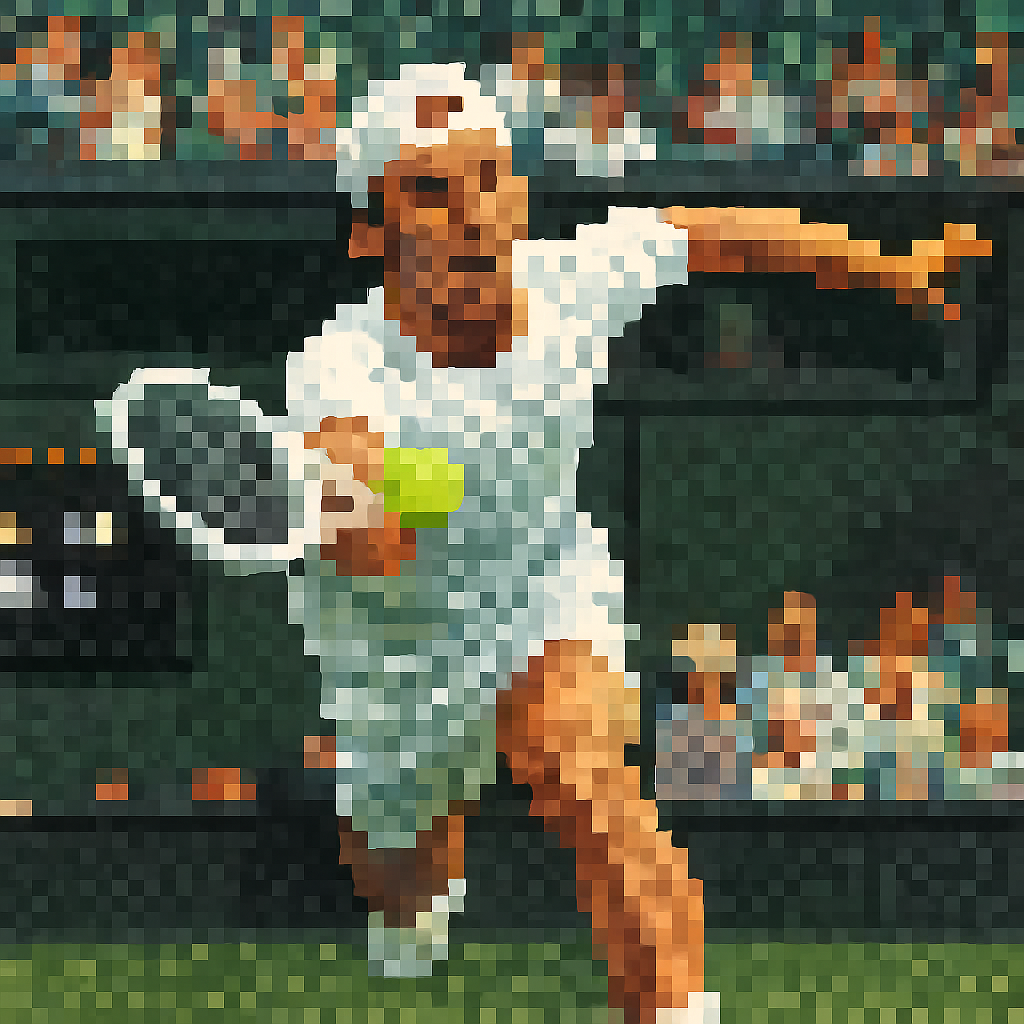
LONDON — Joe Salisbury, one of the world's most accomplished doubles players, has announced he is taking an indefinite break from tennis to prioritize his mental health after a season significantly impacted by anxiety.
The British star, a four-time Grand Slam champion and former world number one, revealed the decision in an interview with BBC tennis correspondent Russell Fuller, describing a period where the pressure to perform became overwhelming and began to erode his love for the sport.
Salisbury, 32, has been a mainstay at the top of the men's doubles game for years, forming a formidable partnership with American Rajeev Ram. Together, they have secured multiple major titles, including three consecutive US Open crowns from 2021 to 2023 and the 2020 Australian Open.
However, the 2024 season has been a stark contrast. While he reached the Wimbledon final just months ago, Salisbury confessed that his on-court struggles, particularly in the first half of the year, triggered a cycle of anxiety that he could no longer ignore. He stated, "It just wasn't really enjoyable. I wasn't happy doing it."
The Weight of Expectation
Salisbury pinpointed the root of his anxiety to the immense pressure he placed on himself to maintain his elite status. After spending 48 weeks as the world's top-ranked doubles player between 2022 and 2023, any dip in form felt catastrophic. "When you've been number one and then you're not playing so well, it feels like a massive fall," he explained to the BBC.
This internal pressure manifested in a fear of failure that began to poison his approach to competition. He described a constant state of worry about results and rankings, which made the simple act of stepping onto the court a source of dread rather than excitement.
The symptoms of his struggle were not just mental. Salisbury noted that the anxiety had tangible physical effects, disrupting his sleep and making it difficult to recover properly between matches. The cumulative effect created a negative feedback loop: poor performance led to increased anxiety, which in turn led to further performance issues.
Acknowledging the Struggle
For a long time, Salisbury tried to push through the discomfort, adhering to the traditional sporting ethos of resilience. He continued to travel the tour, practicing and competing while feeling increasingly disconnected from the game that had defined his life.
The turning point came when he realized that his current path was unsustainable. "I've spoken to a few people and it's been suggested that maybe I should take a bit of time, just to reset and try to get back to enjoying it," he said, acknowledging the counsel he received from his support network.
His decision to speak publicly was driven by a desire to normalize conversations around mental health in professional sport. He hopes that by sharing his experience, he can help others who may be facing similar silent battles.
The Rigors of the Tennis Tour
The life of a professional tennis player, while glamorous from the outside, is inherently grueling. The constant travel, time away from home, and pressure to defend ranking points create a high-stress environment. Salisbury highlighted several key challenges:
- The relentless, global schedule with few breaks.
- The pressure of immediate results in a week-in, week-out format.
- The isolation of life on the road, even when playing with a partner.
These factors can compound the normal stresses of competition, making it difficult for players to find a healthy balance and a sustainable mental state. Salisbury's experience underscores that success does not immunize an athlete from these pressures; in some cases, it can intensify them.
Support and the Path Forward
Salisbury has received widespread support from the tennis community, including his longtime partner, Rajeev Ram. In a statement, Ram expressed his full backing, saying, "Joe's health and happiness come first. The team is 100% behind him."
The Lawn Tennis Association (LTA) has also pledged its support, ensuring Salisbury has access to any resources he needs during his time away from the sport. His decision has been met with praise for its courage and its potential to shift the culture within tennis.
Salisbury has not set a timeline for his return. His primary focus is on recovery and rediscovering his passion for tennis without the shadow of anxiety. "I need to get back to wanting to be out there and enjoying the competition," he stated.
A Growing Conversation in Sport
Salisbury joins a growing list of high-profile athletes who have prioritized mental wellbeing. From Naomi Osaka and Simone Biles to Ben Stokes and now Salisbury, the narrative in elite sport is gradually changing. These athletes are demonstrating that mental strength is not just about pushing through pain, but also about knowing when to step back and heal.
This shift is forcing sporting bodies, teams, and fans to reconsider their expectations of athletes, recognizing them as holistic individuals rather than mere performers. The hope is that this will lead to better support systems and a more sustainable environment for future generations.
Conclusion: A Necessary Reset
Joe Salisbury's career is a testament to incredible skill, dedication, and resilience. His Grand Slam titles and the coveted world number one ranking are achievements that cement his legacy in the sport. His current decision, however, may be one of his most significant actions yet.
By choosing to address his anxiety openly and take a purposeful break, he is not only taking control of his own health but also contributing to a vital cultural change. His message is clear: it is okay not to be okay, even at the pinnacle of professional sport.
The tennis world will undoubtedly welcome back a healthier and happier Joe Salisbury when he is ready. For now, the focus is entirely on his wellbeing, a priority that far outweighs any trophy or ranking point.