
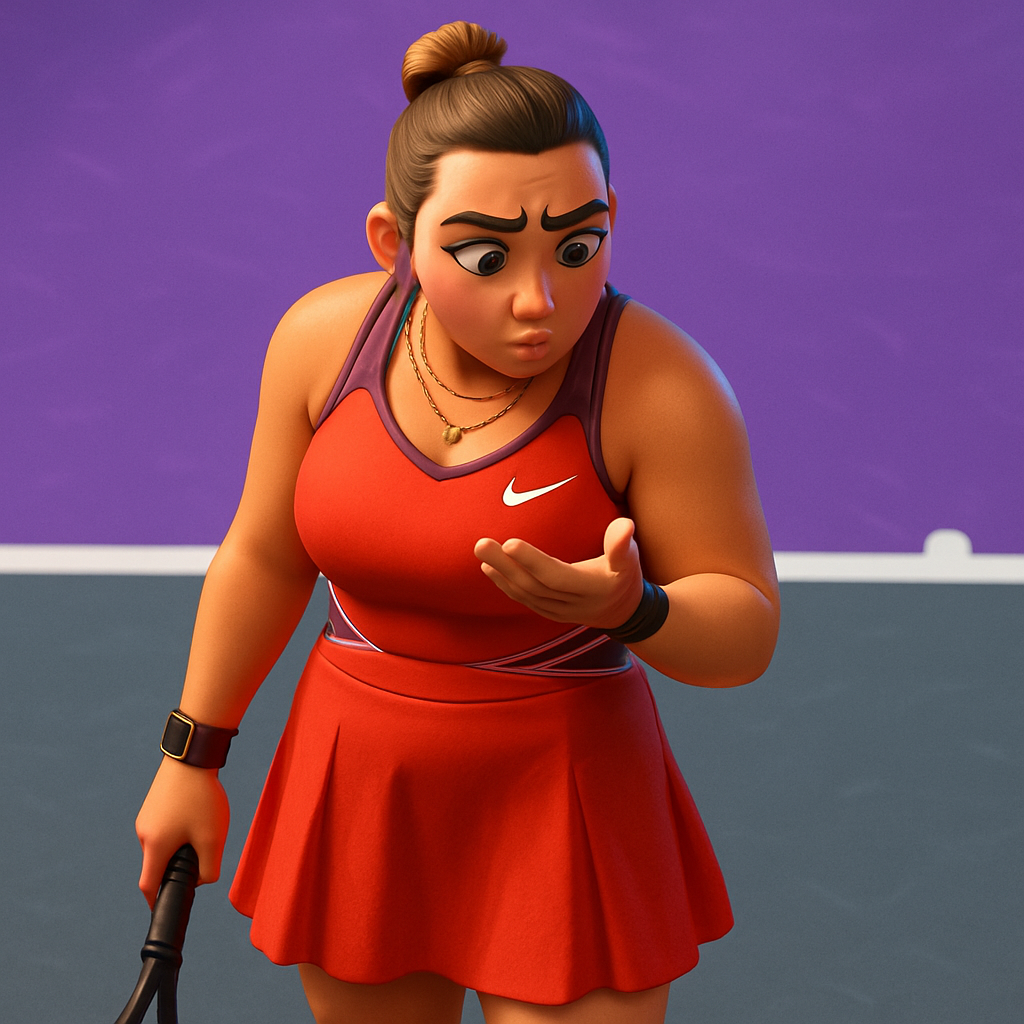
LONDON — A significant power struggle is brewing at the top of women's tennis, as World No. 2 Aryna Sabalenka has called for an urgent meeting with the Grand Slam boards, echoing a stark warning from World No. 1 Iga Swiatek that "players are not happy" with the current state of the sport's governance.
The immediate catalyst for this unprecedented move is the ongoing crisis surrounding the future of the WTA Finals, but the discontent runs much deeper. Players are increasingly frustrated with the fragmented structure of the sport, where the WTA, ATP, and the four Grand Slams often operate with conflicting schedules and priorities, leaving the athletes caught in the middle.
The WTA Finals Fiasco: A Tipping Point
The most pressing issue is the alarming lack of a confirmed host city for the 2024 WTA Finals, the prestigious season-ending championship. With just months until the event is slated to begin, players have no information regarding the location, schedule, or playing conditions. This uncertainty has pushed the Player Council, led by Sabalenka and supported by Swiatek, to demand direct talks with the Grand Slam committees—the Australian Open, Roland-Garros, Wimbledon, and the US Open.
Sabalenka, a two-time Australian Open champion, articulated the collective frustration in a statement: "It is impossible to properly prepare for one of the biggest tournaments of the year when we don't know where we are playing. This is unacceptable for the top players in our sport. We need clarity and we need a long-term solution, which is why we are asking the Slams to step in."
The WTA's struggles to secure a stable home for the Finals have been well-documented. A lucrative deal with Shenzhen ended after 2019, and subsequent events were impacted by the pandemic and geopolitical issues. The 2023 edition in Cancún was widely criticized by players for the poor quality of the court and overall organization, a situation that has clearly accelerated the current push for change.
Swiatek's Public Warning and Player Unity
Iga Swiatek, the tour's most consistent and vocal leader, has publicly amplified the call for reform. Following a recent match, she did not mince words, stating, "The players are not happy. We feel like our voices are not being heard collectively." This public warning from the world's top-ranked player signifies a rare and powerful show of unity among the athlete corps, transcending individual rivalries for the greater good of the sport.
Swiatek further elaborated on the broader issues at play, highlighting concerns that affect the entire tour. Her criticisms extend beyond the Finals debacle to fundamental structural problems, including:
- An overcrowded and demanding schedule that increases injury risk and diminishes performance quality.
- A significant prize money disparity between the Grand Slams and regular WTA tournaments.
- A lack of consistent marketing and promotion for WTA events outside the majors.
This unified front from Sabalenka and Swiatek, who have dominated the top of the rankings, carries immense weight and suggests a coordinated effort to force a reckoning.
Why the Grand Slams? The Push for a Unified Tennis
The decision to bypass the WTA leadership and appeal directly to the Grand Slams is a strategic one. The four majors possess immense financial resources and influence, and there is a growing belief among players that a more unified governance model, potentially akin to the ATP's partnership with the ATP Tour, is necessary for the sport's health. The Slams have already shown a willingness to collaborate, as seen with their joint investment in the Universal Tennis Rating (UTR) and various digital initiatives.
A key player in this movement is Jessica Pegula, another member of the Player Council. In a recent press conference, Pegula highlighted the need for a new business model, stating, "We see other sports leagues thriving with centralized leadership and clear calendars. Tennis is a global sport with so much potential, but we are being held back by a fractured system."
The players' primary objectives for the proposed meeting with the Grand Slams are believed to include:
- Securing immediate stability for the WTA Finals, including a multi-year host city commitment with appropriate facilities.
- Advocating for a more logical and condensed tournament calendar to reduce physical strain on players.
- Exploring a formal partnership where the Grand Slams could provide financial and structural support to the WTA tour.
This is not the first time players have sought greater influence. The formation of the Professional Tennis Players Association (PTPA), co-founded by Novak Djokovic and Vasek Pospisil, was a direct response to similar governance issues. The current unrest on the WTA tour suggests that the PTPA's message of player empowerment is gaining further traction.
A Critical Juncture for Women's Tennis
The WTA has found itself in a precarious position. Under the leadership of CEO Steve Simon, the tour has navigated immense challenges, including the COVID-19 pandemic and the suspension of tournaments in China. However, the cumulative effect of these crises, combined with the perceived mismanagement of the Finals, has eroded player confidence.
In response to the players' actions, a WTA spokesperson provided a statement: "We are in constant communication with our players and the Player Council regarding the WTA Finals and other important matters. We share their desire for a world-class event and are working tirelessly to finalize details for 2024 and beyond."
Despite this assurance, the call for a direct meeting with the Grand Slams indicates that players are seeking solutions beyond the WTA's current capacity. The sport is now at a critical inflection point. The willingness of the Grand Slams to engage directly with the players on these systemic issues could reshape the future landscape of professional tennis.
The unified voice of its biggest stars—Sabalenka's forceful demand for action and Swiatek's public condemnation of the status quo—has created a moment of undeniable pressure. Whether this leads to a constructive dialogue and meaningful reform, or further highlights the divisions within the sport, remains to be seen. One thing, however, is clear: the players are no longer willing to be silent passengers on the journey of their own sport.