
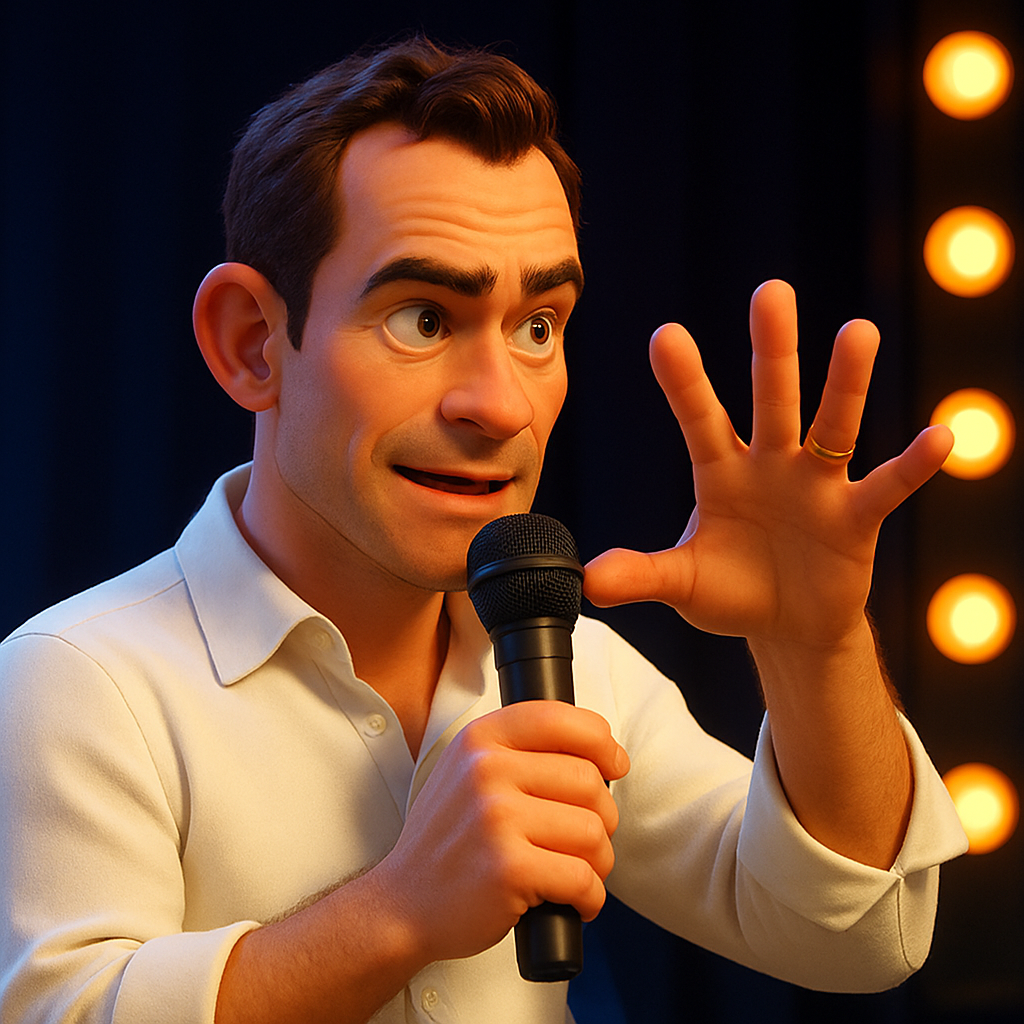
LONDON — In a candid and reflective interview, tennis legend Andy Murray has opened up about one of his few career regrets: leaving his family home in Dunblane, Scotland, for a tennis academy in Spain as a teenager. The three-time Grand Slam champion is now urging the next generation of players and their parents to think carefully before making a similar move, emphasizing the profound personal and emotional costs that can accompany the pursuit of sporting excellence.
At the age of 15, Murray, along with his older brother Jamie, moved to the Sánchez-Casal Academy in Barcelona. The decision was driven by a desire to accelerate his development on the demanding clay courts and to immerse himself in a high-performance environment. While the move undoubtedly contributed to forging his formidable defensive skills and tactical intelligence, Murray now questions whether it was entirely necessary and warns against the potential pitfalls of such an early separation from family and a normal upbringing.
The Allure and the Reality of the Academy Path
The pathway of relocating to a specialized tennis academy is a well-trodden one in the modern game, seen as a fast-track to the professional tour. For the young Murray, Barcelona offered sun, clay, and world-class coaching—ingredients seemingly essential for a future champion. "I moved away from home when I was 15, and at the time I thought that was what I needed to do to become the best player possible," Murray recalled. The results speak for themselves, but the introspection of his post-playing career has brought new perspective.
He now observes a trend where children are moving away even younger, a phenomenon he views with concern. "I see kids now who are leaving home at 10, 11, 12 years old to go and train in another country, and I just don't think that's necessary," he stated. His advice is grounded in the belief that the foundational years of adolescence are critical for more than just forehands and backhands; they are for building character, resilience, and a support system that isn't solely performance-based.
A Warning on Pressure and Personal Development
Murray’s primary concern lies in the immense pressure and isolation a young athlete can experience. Removed from their family, friends, and familiar culture, they can become solely defined by their results on the court. "Tennis is a brutal sport in terms of the losses and the setbacks," he explained. "When you're that young and you're in a foreign country, dealing with those disappointments alone can be incredibly tough. You miss out on so much of your childhood."
He highlights the potential for burnout and a warped worldview, where self-worth becomes inextricably linked to winning and losing matches. The normal experiences of school, socializing, and making mistakes away from the spotlight are sacrificed. Murray suggests that the modern infrastructure in countries like the UK, with improved coaching and facilities, often makes such a drastic move less imperative than it was perceived to be in his youth.
The key pitfalls of moving too early, as outlined by Murray, include:
- Emotional Strain: Coping with homesickness and competitive pressure without a robust, familiar support network.
- Stunted Social Development: Missing crucial life experiences and friendships that occur outside a high-performance bubble.
- Identity Crisis: Risking a scenario where the child's entire identity is consumed by being a "tennis player."
The Alternative: A Balanced Approach
So, what is the alternative? Murray advocates for a more balanced, patient approach. He points to the success of players like Carlos Alcaraz, who trained extensively at home in Spain under a single coach before making a later, more measured transition to the tour. "You can still work incredibly hard and have great coaching without having to leave your family behind at 12 years old," he asserted.
His advice to parents is to prioritize their child's holistic well-being. "Make sure they're happy, that they're enjoying it, that they have other interests. The most important thing is that they have a normal life as much as possible, because the career, if they make it, is going to be very, very intense." He emphasizes that technical and tactical skills can be developed in a healthy home environment, and that the mental fortitude required for the tour is often better nurtured within a stable family unit.
A Note on Sibling Dynamics
Interestingly, Murray also reflected on the dynamic with his brother Jamie, noting that moving together provided some shared comfort but also created its own unique pressures. "We were lucky we had each other, but it also meant we were competing against each other in this new, high-stakes environment from a very young age," he mused. This shared journey, while a bond, also underscored the all-consuming nature of their chosen path.
Legacy Beyond the Trophies
Now in the latter stages of his career and contemplating retirement, Murray's perspective is shaped by fatherhood and the wisdom of experience. He is determined to use his platform to influence the sport's culture for the better. His regret is not about his achievements—his two Wimbledon titles, Olympic golds, and rise to world number one are the stuff of legend—but about the personal cost of the journey.
"I wouldn't change anything about my career, but if I could go back, I would have maybe tried to find a way to do it while staying at home a bit longer," he admitted. This heartfelt admission is less about undoing his past and more about shaping the future for others. He wants young players to know that success does not have to come at the expense of one's childhood or mental health.
In an era where sporting prodigies are identified and specialized earlier than ever, Andy Murray’s message is a crucial counter-narrative. It is a champion’s plea for perspective, arguing that the foundation of a truly great career is not just a powerful serve or a resilient backhand, but a well-rounded, resilient person. His legacy, he hopes, will include influencing a more humane and sustainable pathway to the top of the game.