
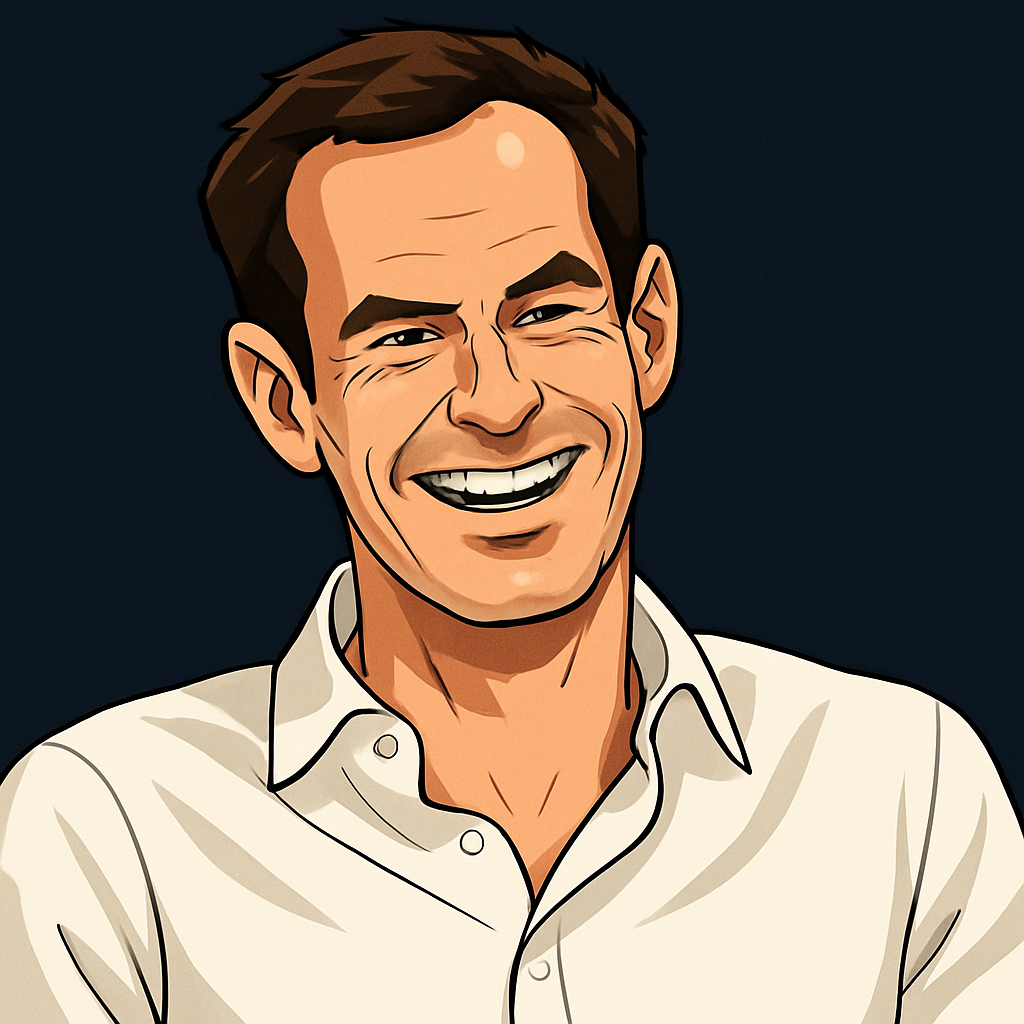
LONDON — For over two decades, the sporting world knew Andy Murray as the relentless warrior of the tennis court, a three-time Grand Slam champion whose career was defined by grueling baseline rallies, thunderous fist pumps, and an indomitable will to win. Since his emotional retirement from professional tennis 18 months ago, a quiet question has lingered: what does a competitor of that caliber do when the final point has been played? The answer, it turns out, involves a different kind of grass, a smaller ball, and a competitive fire that has found a surprising new outlet. Murray has discovered a new love in golf, a pursuit he takes with immense seriousness and, according to those who have witnessed it, one in which he is "always winning."
The transition from the manicured lawns of Wimbledon to the sprawling fairways of a golf course might seem a natural progression for a retired athlete, but Murray's approach is anything but a leisurely retirement hobby. Friends and fellow professionals describe an obsession that mirrors his tennis training. He is a regular sight at the prestigious Wentworth Club in Surrey, often arriving at dawn for practice sessions that last hours. His brother, Jamie Murray, recently joked to The Times that Andy's handicap is plummeting so rapidly it's becoming a problem, quipping, "He's getting too good. It's not even fun playing with him anymore."
From Grand Slams to Greens: A New Arena
Murray's passion for golf is not new; he has spoken fondly of the game for years, using it as a mental escape during the intense pressure of the tennis tour. However, with the structure and demands of professional tennis now behind him, golf has evolved from a pastime into a primary focus. He has enlisted top coaches, employs advanced swing analysis technology, and his practice regimen is famously meticulous. This dedicated pursuit has yielded impressive results. Reports suggest his handicap is now scratch or better, meaning he regularly shoots par or under—a standard that places him firmly in the realm of elite amateur players.
The competitive void left by tennis has been seamlessly filled by the inherent challenge of golf. "Tennis was my life for so long, and that need to compete, to improve, to solve problems—it doesn't just switch off," Murray explained in a recent podcast interview. "Golf gives me that. Every shot is a puzzle. Every round is a battle against yourself and the course. I love that." This mindset explains why casual games with friends are treated with Grand Slam final intensity. Former Davis Cup teammate and noted golf enthusiast, Ross Hutchins, confirmed the legend, stating simply, "He hates losing. At anything. So, he just makes sure he doesn't."
An Unexpected Coaching Role: Guiding a Rival
In a twist that has captivated the sports world, Murray's post-retirement life has also seen him step into a coaching role—and for one of his greatest rivals, no less. Novak Djokovic, the record 24-time Grand Slam champion, revealed earlier this year that he has been seeking Murray's counsel, particularly on the nuances of playing on grass courts. "Andy has one of the best tennis brains, especially on grass," Djokovic said. "His understanding of movement, of slice, of tactical positioning on that surface is incredible. We've had some great conversations."
This collaboration between two legends, whose on-court battles were often epic and bruising, highlights the deep mutual respect that existed beneath their fierce rivalry. Murray has been spotted at Djokovic's practices at Wimbledon, offering observations and engaging in detailed technical discussions. For fans, it’s a fascinating synergy: Murray’s strategic acumen, honed from years of competing against the very best, is now being utilized to aid Djokovic's quest for further history. The key areas of their collaboration include:
- Movement and footwork patterns specific to grass-court tennis.
- The effective use of the slice backhand to disrupt rhythm and create offensive opportunities.
- Return of serve positioning and anticipation on fast surfaces.
- Mental approaches to handling the unique pressures of Wimbledon.
Djokovic has been effusive in his praise, noting that Murray’s insights come from a place of recent, high-level experience. "He just stopped playing, so all the information, all the feelings on court are still very fresh for him," Djokovic added. "It's a different perspective that is incredibly valuable." This foray into coaching has sparked speculation about whether Murray might pursue it more formally, though for now, he seems content with this informal, elite-level advisory role.
Balancing Family, Fitness, and Fairways
Away from the spotlight of competition and coaching, Murray is relishing the normality that retirement affords. He speaks joyfully about the increased time with his wife, Kim, and their four young children, a luxury his previous touring schedule rarely allowed. However, the discipline of a lifetime in sport remains. He maintains a rigorous fitness routine, not for match preparation, but for overall health and to support his golf game. "Strength and mobility are huge in golf, especially to prevent injury," he noted, drawing parallels between the rotational demands of a tennis swing and a golf drive.
This holistic approach—family, fitness, and his ferocious dedication to golf—paints a picture of a champion who has successfully channeled his legendary drive into a new chapter. He has even begun participating in select pro-am tournaments, rubbing shoulders with professional golfers and treating each event with the focus of a major. His performance in these events has turned heads, with one European Tour professional remarking anonymously, "You can see the athlete in him. The mindset is the same. He's out there to post a number, not just for a photo op. He's seriously good."
Conclusion: The Champion's Mindset Endures
Andy Murray’s journey from the summit of tennis to the fairways of a new sporting passion is a compelling study of competitive identity. He has not left his desire to win behind; he has simply transferred it to a new arena. Whether he is meticulously analyzing his golf swing, offering shrewd advice to a former rival, or simply enjoying a hard-fought victory in a friendly round, the core of Murray remains unchanged. He is, as ever, a student of the game, a relentless competitor, and a perfectionist. The tools have changed—irons and putters have replaced racquets, and coaching tips have supplanted match points—but the essence of what made him a Wimbledon champion still burns brightly. In his new love away from tennis, Andy Murray is, true to form, "always winning."