
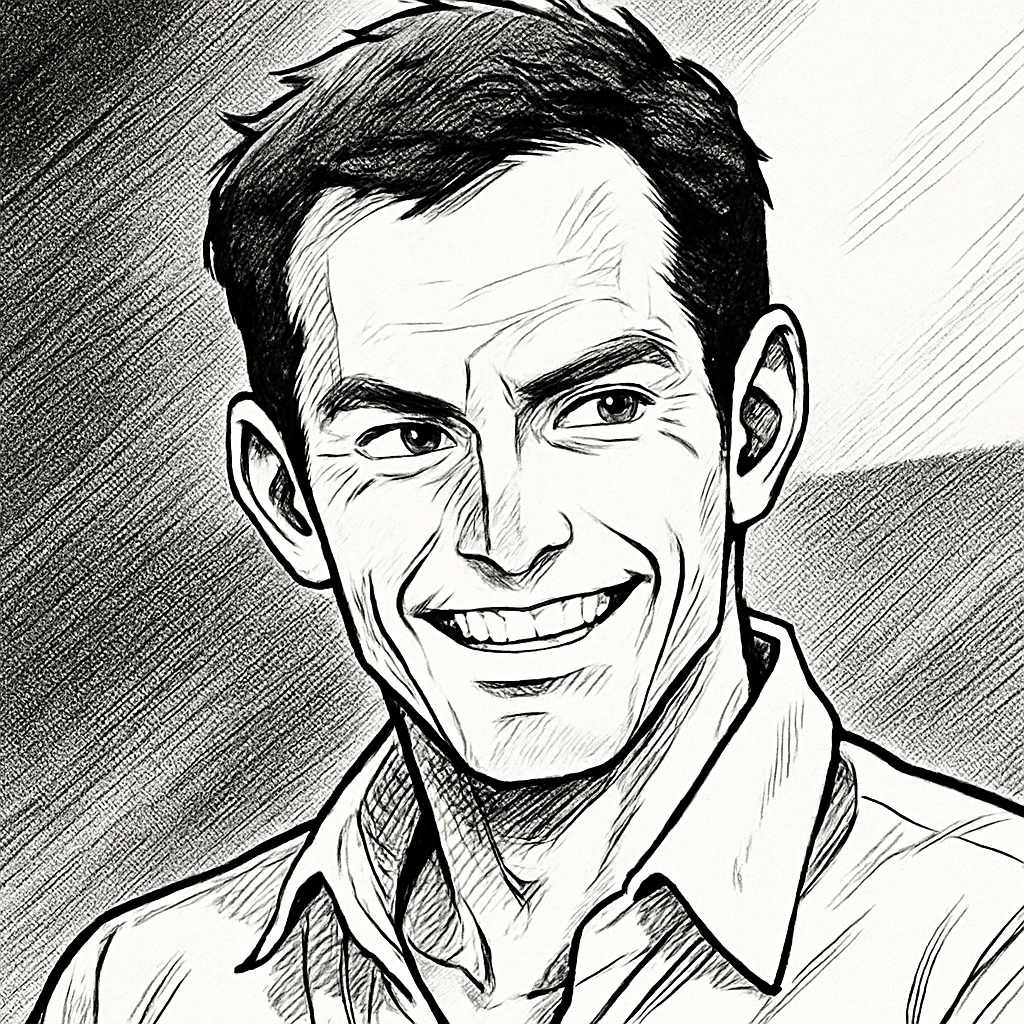
The hallowed lawns of Wimbledon are not just a stage for sporting drama; they are a crucible where legends are forged and, eventually, where they transition into new roles. For years, the BBC's iconic commentary box has been a natural post-retirement perch for greats like John McEnroe, Martina Navratilova, and Tim Henman. As the tennis world looks ahead to the 2025 Championships, one name dominates speculation for a coveted microphone role: Sir Andy Murray. However, the two-time champion's stance on taking a BBC Wimbledon job mirrors that of his legendary contemporaries, Rafael Nadal and Roger Federer, revealing a shared philosophy among the sport's most celebrated figures.
The Allure and Hesitation of the Commentary Booth
Since his emotional farewell at Wimbledon last summer—a summer that also saw him tour UK theatres in a poignant one-man show about his career—Murray has been linked to a permanent punditry role. The BBC, keen to capture his unique insight and dry wit, has made its interest clear. Yet, the Scot has consistently pumped the brakes on such talk. His reasoning is not born of disinterest, but of a profound commitment to the competitive chapter of his life that, in his mind, is not fully closed. "I haven't done anything like that," Murray stated recently regarding commentary. "I still want to play. I know I'm not going to play forever, but I don't want that to be it." This sentiment echoes precisely the posture maintained for years by Nadal and Federer before their retirements.
Both the Spaniard and the Swiss maestro were perennial subjects of broadcast speculation long before they hung up their rackets. The demand from networks was immense, but the answer was always a polite, firm "not yet." Their focus remained unwaveringly on training, recovery, and competition. For these athletes, whose identities have been so deeply intertwined with being players, the mental shift to full-time observer is a significant one. They share a common understanding: to step into the commentary box is to publicly accept the end of your playing days, a psychological Rubicon they are not ready to cross until every last ounce of competitive desire is spent.
A Demand for Authentic Insight, Not Just a Famous Face
The public and broadcaster demand for figures like Murray, Nadal, and Federer is about more than star power; it's a quest for depth of analysis that only those who have operated at the very pinnacle can provide. Modern fans, armed with data and slow-motion replays, crave the intangible—the insight into pressure, the explanation of tactical shifts mid-match, the stories from inside the locker room. As John McEnroe’s successful transition proved, great players can become great communicators because they speak from a place of unparalleled experience. The networks aren't just hiring a name; they are seeking to translate the genius of the game for the audience.
Murray, in particular, is seen as a perfect fit for this. His famously analytical mind, his deep understanding of the modern game's physical and technical demands, and his candid nature would provide a masterclass in tennis insight. However, this very demand creates a dilemma. The qualities that make him a desirable pundit—his relentless drive, his meticulous preparation—are the same ones that currently prevent him from embracing the role. To commit to serious commentary requires a level of dedication and study that he is unwilling to divert from his final playing goals.
The Shared Player Philosophy
The parallel with Nadal and Federer is striking. Nadal, even while battling injuries, consistently deflected commentary questions, focusing solely on his comeback path. Federer, in the years leading to his 2022 Laver Cup farewell, enjoyed the occasional guest microphone appearance but avoided any long-term media commitment until his retirement was official. Their unified stance can be distilled into a few core principles:
- Competitive Fire First: The primary identity is "player," and that identity must be exhausted before a new one can be adopted.
- All-or-Nothing Approach: Half-measures are not in their champion DNA. If they do commentary, they will want to be the best at it, requiring full focus.
- Respect for the Craft: They understand that insightful punditry is a skill separate from playing, worthy of proper time and respect.
- The Finality of the Shift: Acknowledging that taking a major broadcast role is a symbolic full-stop on their playing careers.
This philosophy suggests that fans hoping for a regular "Murray on Mic" experience at Wimbledon 2025 may need to wait. Like Federer, we may see him in limited, guest appearances—perhaps for a high-profile match or a special feature—but a full-time, two-week stint in the booth seems unlikely while he still harbours ambitions, however slim, of competing. His recent doubles appearances at Wimbledon 2024, and his stated desire to potentially play singles again if his body allows, underscore that his story as a player is one he is not yet ready to conclude from the commentator's chair.
The Inevitable Transition and Its Timing
The consensus within tennis is not if Andy Murray will become a leading voice in the sport's media landscape, but when. His post-match interviews have often been more insightful than many pundits' prepared analyses. His dry humour and willingness to speak frankly on issues from doping to prize money show a personality made for broadcasting. The BBC role is, in many ways, his for the taking whenever he decides he is ready. The same was true for Federer, who has since engaged in special commentary moments, and will be true for Nadal.
The key difference for Murray may be the nature of his retirement. His farewell has been a protracted, emotional, and physically painful process, in contrast to Federer's single, orchestrated event. This could influence his post-career mindset. Once the final match is truly behind him, the commentary box might offer a new arena—a way to stay connected to the sport he loves, to compete intellectually, and to shape the narrative of the next generation. "I’d probably like to do it one day," he has conceded, leaving the door ajar, but firmly on the chain for now.
In the end, the stance of Murray, Nadal, and Federer reflects the singular mindset required to reach the top of professional tennis. It is a mindset of absolute presence, of living in the current point, the current match, the current season. For them, contemplating a life defined by analyzing others' play is a distraction from the final acts of their own storied careers. The broadcasters' demand will remain, a testament to their enduring legacy. But the supply will only begin when these champions have written the very last line of their own playing stories, on their own terms, just as they have done everything else in their remarkable careers.