
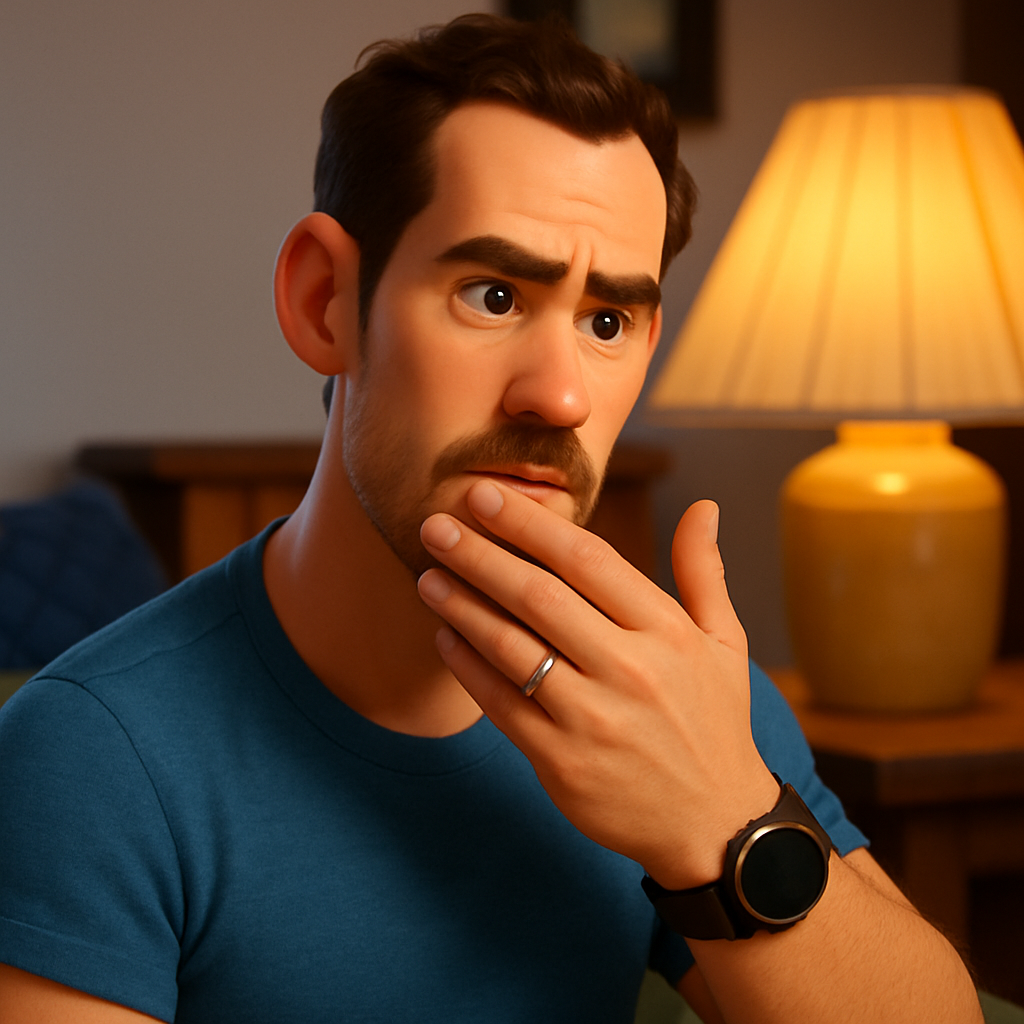
LONDON — In a moment of raw and unexpected vulnerability, tennis legend Andy Murray broke down in tears and became "really upset" during a recent podcast interview while discussing the profound impact of his friend, Olympic cycling champion Sir Chris Hoy.
The emotional episode occurred on the BBC podcast 'The Total Sport Podcast', where Murray was reflecting on his career and the people who have supported him. The conversation turned to Hoy, and the three-time Grand Slam champion found himself overwhelmed, his voice cracking as he struggled to continue speaking.
A Friendship Forged in Shared Struggle
Murray and Hoy’s bond extends far beyond their status as Scottish sporting icons. It was forged in the intense pressure-cooker environment of the London 2012 Olympics, where both were carrying the hopes of a nation. Hoy, already a multiple gold medalist, was the face of Team GB, while Murray was seeking redemption after his heartbreaking Wimbledon final loss to Roger Federer just weeks earlier.
Murray revealed that Hoy reached out to him with a message of support after that devastating defeat. "He sent me a message after the Wimbledon final in 2012," Murray recalled, his voice trembling. "And he was like, 'I know how you're feeling, I felt the same after Athens.'" Hoy had finished fourth in the 1km time trial at the 2004 Athens Games, a result he described as the lowest point of his career.
That simple act of empathy from a fellow athlete who understood the unique agony of falling short on the biggest stage created an instant connection. "For him to take the time to do that... it meant a lot," Murray said. This shared experience of resilience became the foundation of a deep and lasting friendship.
The Emotional Trigger: A Simple Question
The catalyst for Murray's tears was a seemingly straightforward question from the podcast host about the people who had been there for him during his many injury battles and career lows. When Hoy’s name came up, the floodgates opened. Murray described feeling a sudden, powerful wave of emotion.
"I got really upset talking about him," Murray admitted, pausing to compose himself. "Because... he's just a brilliant person. And he's been there for me at some really difficult moments in my career." He emphasized that Hoy’s support was never about seeking attention or publicity, but was consistently private, genuine, and selfless.
This display of emotion is particularly striking given Murray’s public persona. For years, he was often portrayed by parts of the British media as dour or grumpy—the "Andy Murray" of stereotypes. This moment shattered that image, revealing the profound sensitivity and deep loyalty that exists beneath the competitive exterior.
Beyond the Spotlight: Private Support
Murray went on to detail the specific ways Hoy has supported him, highlighting actions that happened away from cameras and headlines. During Murray’s protracted and painful hip injury saga, which many feared would end his career, Hoy was a constant source of encouragement.
"When I was really, really struggling, he was always messaging me," Murray explained. "Checking in on me. Not for anyone else to know, just genuinely concerned about how I was doing and wanting to help in any way he could." This private, steadfast support stood in stark contrast to the often-fickle nature of public adoration in professional sport.
The friendship is also rooted in mutual respect for their respective disciplines. Murray has often spoken of his admiration for the brutal, repetitive dedication of track cyclists, while Hoy is a known tennis fan. Their bond illustrates the unique understanding that exists among athletes who have operated at the absolute pinnacle of their sports.
A Reflection on Legacy and Human Connection
Murray’s emotional reaction is about more than just friendship; it speaks to the core of what sustains athletes through immense pressure. It underscores that behind the trophies, titles, and public narratives, these individuals are human beings who need connection, empathy, and a support network that understands their unique world.
The moment also reflects Murray’s own journey towards emotional openness in the latter stages of his career. Having famously cried on Centre Court after his 2012 Olympic gold and 2013 Wimbledon victories, he has become more comfortable showing vulnerability, a trait that has endeared him to fans worldwide.
Furthermore, it highlights the qualities Murray himself values most. In discussing Hoy, he wasn’t praising his six Olympic gold medals or his knighthood first and foremost; he was praising his character. The attributes that moved Murray to tears were:
- Authentic empathy from shared experience
- Discreet, private loyalty
- Consistent presence during adversity
- Selfless support without agenda
These, Murray’s reaction suggests, are the true markers of greatness in a friend, which can sometimes resonate more deeply than any sporting achievement.
The Power of Vulnerability in Sport
The podcast clip quickly resonated across social media and sports news, with fans and commentators praising Murray’s honesty. In an era where athletes are often meticulously managed, this unguarded moment was a powerful reminder of the human stories at the heart of sport. Chris Hoy himself responded with characteristic humility, posting on social media about his admiration for Murray, calling him a "legend on and off the court."
Andy Murray’s tears for Chris Hoy were more than a moment of sentimentality. They were a window into the profound gratitude of an athlete for the companion who walked with him through the fire, a testament to a friendship built not on fame, but on genuine human connection. It was a powerful display that the strongest support systems are often the quietest, and that sometimes, the most enduring victories are the friendships forged in the struggle.