
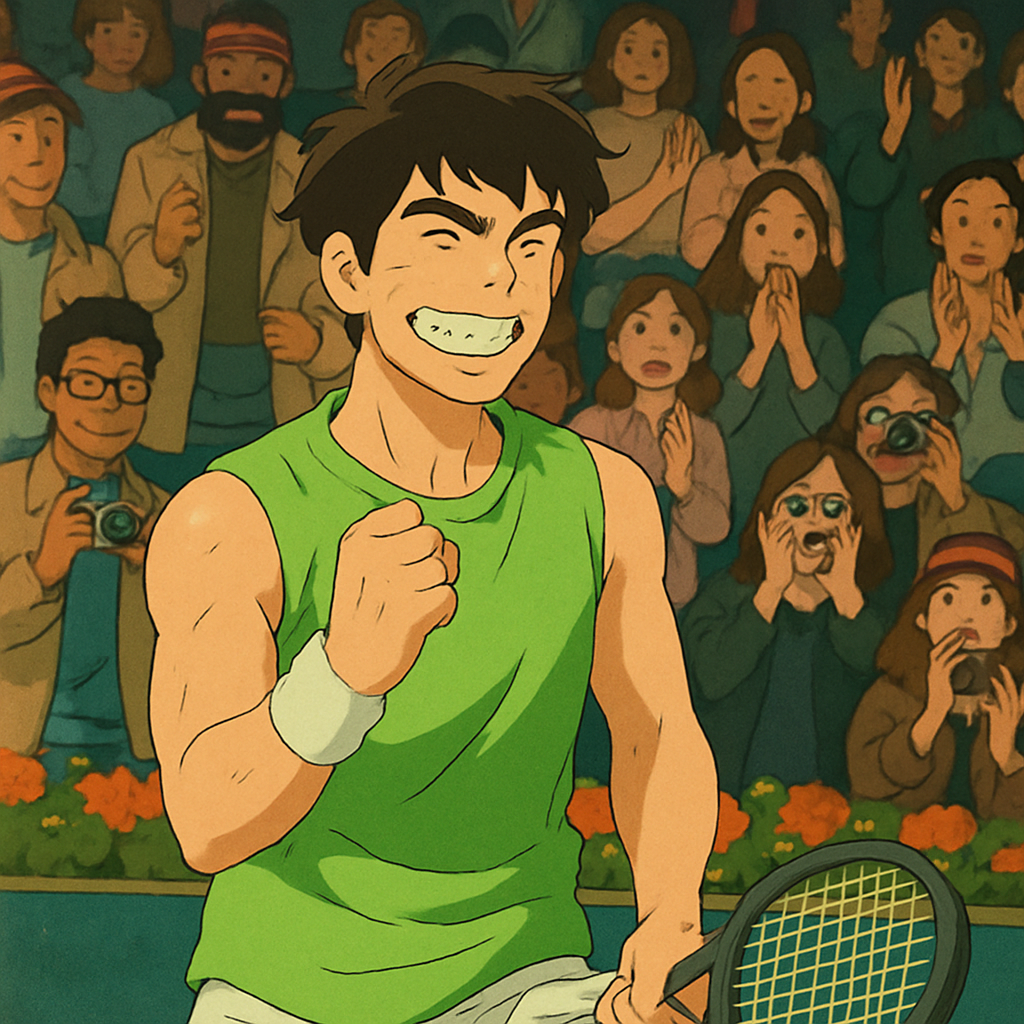
DOHA, Qatar — In his first competitive match since capturing the Australian Open title last month, world number two Carlos Alcaraz navigated a tricky opening hurdle at the Qatar ExxonMobil Open, defeating France's Arthur Rinderknech 6-4, 7-6(5) on Tuesday. The Spaniard, playing his first tournament as a three-time Grand Slam champion, acknowledged the challenge of returning to the tour grind after a major victory, admitting he had to overcome some "difficult moments" to secure the straight-sets win.
A Rusty Start and a Champion's Response
The match, played under the lights on Doha's center court, did not begin with the fluid, explosive tennis that has become Alcaraz's trademark. The 20-year-old appeared to be shaking off competitive rust, struggling at times with his first-serve percentage and timing on his groundstrokes. Rinderknech, a powerful 6'8" opponent ranked 86th in the world, capitalized on the Spaniard's slow start, generating break point opportunities in Alcaraz's opening service game. However, the hallmark of Alcaraz's young career has been his problem-solving ability, and he quickly dug in.
"It's never easy to play your first match after a Grand Slam," Alcaraz said in his post-match press conference. "You come from high intensity, high pressure, playing at your best for two weeks, and then you have to reset. Arthur is a really tough opponent who serves huge and makes you feel uncomfortable. I had to find my rhythm again, and there were difficult moments, especially in the second set."
Navigating the Second-Set Storm
After securing the first set with a single break of serve, Alcaraz found himself in a dogfight in the second. Rinderknech's massive serve began to fire consistently, and he started to dictate rallies with his forehand, pushing Alcaraz deep behind the baseline. The Frenchman earned a set point at 5-4 on Alcaraz's serve, but the young champion erased it with a fearless forehand winner down the line—a moment he later identified as the turning point.
The set proceeded to a tie-break, where Rinderknech again seized the early initiative, building a 4-2 lead. Yet, the pressure of closing out a set against a top player seemed to tighten the Frenchman's game. Alcaraz, demonstrating the champion's mentality he honed in Melbourne, reeled off four consecutive points with a blend of defensive grit and opportunistic aggression. He sealed the match on his first opportunity with a piercing backhand return, letting out a characteristic roar of relief and satisfaction.
Reflecting on the tie-break, Alcaraz noted, "In the tie-break, you have to be solid, you have to go for it. I knew I had to be aggressive with my returns and not let him dominate. At 4-2 down, I just focused on every single point, tried to put the ball in play and make him play one more shot. It worked well in the end."
The Challenge of Following a Major Win
The victory highlighted a common challenge in tennis: the immediate follow-up tournament after a life-changing triumph. The physical and emotional hangover from winning a Grand Slam is well-documented, and players often speak of a natural dip in intensity. For Alcaraz, the Qatar Open represents a critical step in building momentum for the upcoming "Sunshine Double" of Indian Wells and Miami, where he will defend significant ranking points.
His coach, Juan Carlos Ferrero, was observed giving firm, tactical instructions during changeovers, a sign that the team is treating this 250-level event with the utmost seriousness. The key takeaways from this first match back were clear:
- Serve Needs Sharpening: A first-serve percentage of 58% left him vulnerable to Rinderknech's aggressive returns.
- Clutch Gene Intact: His ability to raise his level at the most critical moments, saving set point and dominating the tie-break finish, was championship-caliber.
- Competitive Hunger: Despite the rust, his fighting spirit and desire to problem-solve on court were never in question.
The Road Ahead in Doha
Alcaraz's path does not get easier in the second round, where he will face another seasoned veteran in Italian qualifier Luca Nardi. The 20-year-old Italian, ranked 123rd, stunned top seed Andrey Rublev in a massive upset earlier in the day, defeating the world No. 5 6-4, 7-6(7). Nardi's confidence will be sky-high, and he possesses a versatile, all-court game that will test Alcaraz's movement and adaptability from the first point.
"I saw a little bit of his match against Rublev. He played unbelievable tennis, with great intensity and no fear," Alcaraz said of his next opponent. "It's going to be a really difficult match. He has nothing to lose, and he's playing great. I will have to be ready from the beginning and play much better than today if I want to keep going."
A Statement of Intent
While the performance was not his most polished, Alcaraz's victory in Doha serves as an important statement of intent for the early-season hardcourt swing. It underscores a key evolution in his career: the ability to win matches while not playing at his peak. Earlier in his career, an off-day might have resulted in a surprise exit. Now, armed with the experience of three major titles, he possesses the tactical maturity and mental fortitude to grind out results.
This resilience is what separates the very best from the rest of the tour. As he continues his campaign in Qatar, the tennis world will be watching to see how quickly he can shake off the remaining rust and transition from the "difficult moments" of a first-round battle to the dominant, joyful tennis that defines him at his best. The win against Rinderknech was a necessary, if imperfect, first step back into the fray, proving that even on an average day, Carlos Alcaraz remains one of the toughest outs in the sport.
The broader context of this match also highlights the relentless nature of the ATP Tour. There is little time to bask in the glory of Melbourne. The focus immediately shifts to accumulating ranking points, fine-tuning game plans for the bigger Masters 1000 events ahead, and managing the physical load of a long season. For Alcaraz, this week in Doha is less about adding another trophy and more about building a foundation—a process that began with a hard-fought, character-building win under the desert sky.