
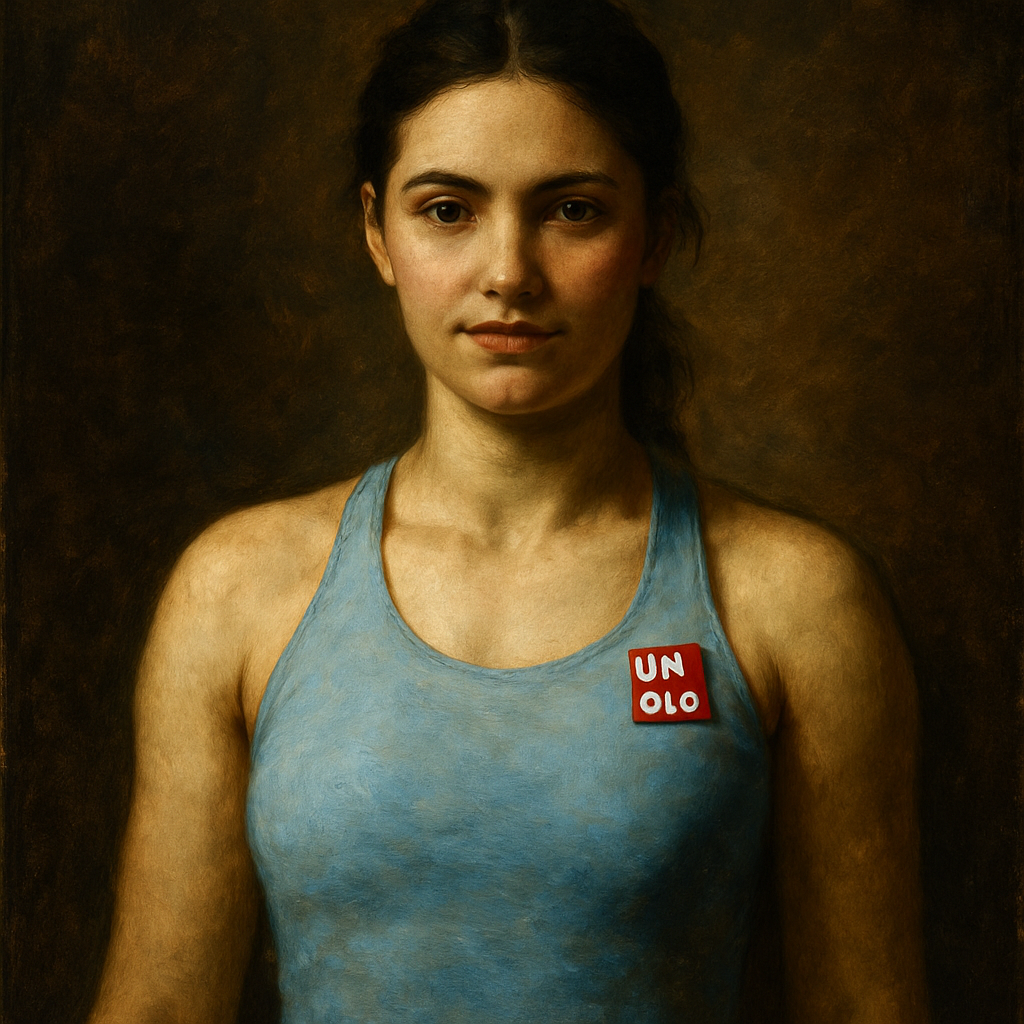
LONDON — In a move that has sent ripples through the worlds of tennis and fashion, Emma Raducanu has announced a new, multi-year partnership with Japanese apparel giant Uniqlo. The deal, confirmed in late April 2024, sees the 2021 US Open champion become a global brand ambassador, stepping into a role previously held by the legendary Roger Federer. For a player whose career has been a rollercoaster of stratospheric success and persistent physical setbacks, this partnership represents more than just an endorsement; it is a calculated pivot that could redefine her path forward.
A Strategic Departure from the Norm
Raducanu’s decision to sign with Uniqlo marks a significant departure from the traditional path of elite tennis stars, who typically align with specialized sportswear giants like Nike or Adidas. These deals often come with eye-watering financial figures but also include strict contractual obligations to wear branded performance gear on court. In contrast, Raducanu’s arrangement with Uniqlo is understood to be primarily focused on off-court style, granting her unprecedented freedom.
This freedom is the cornerstone of what many are calling her "huge gamble." By not being tethered to a single brand for her match-day kits, Raducanu opens herself up to a "patchwork" sponsorship model for her on-court apparel. She can now negotiate separate, potentially lucrative deals for individual tournaments or even create custom collaborations. As she stated in the announcement, "I am very excited to be joining the Uniqlo family... I love their belief in clothing that is innovative, functional and accessible."
Why This Could Be a Masterstroke
On the surface, forgoing a guaranteed, long-term sportswear contract seems risky. However, a deeper analysis reveals the potential for a strategic masterstroke. Raducanu’s marketability has always extended far beyond her forehand. Her unique blend of multicultural heritage, poised demeanor, and fashion-forward sensibility has made her a darling of the lifestyle and luxury sectors. The Uniqlo deal leans directly into this strength, positioning her not just as an athlete, but as a global style icon for a new generation.
Furthermore, the partnership offers crucial flexibility during a career hampered by injuries. Without the pressure of a performance-based apparel contract, Raducanu avoids the negative narrative of a "troubled" association if she is sidelined. Uniqlo, a brand built on "LifeWear" – simple, high-quality clothing for everyday life – gains an ambassador whose appeal is constant, whether she’s competing at Wimbledon or attending a fashion week.
The Financial and Branding Calculus
While exact figures are undisclosed, industry experts suggest the deal is financially substantial, likely in the multi-million pound per year range. More importantly, it’s a partnership of alignment. Uniqlo, which ended its deal with Federer in 2022, secures a young, globally relevant figure with a massive and engaged social following. For Raducanu, the benefits are multifaceted:
- Brand Control: She curates her on-court look, potentially working with emerging designers or luxury houses for grand slams, turning her walk-ons into fashion moments.
- Longevity: The partnership isn’t dependent on rankings or titles, offering stability as she rebuilds her game.
- Global Platform: Uniqlo’s massive retail footprint across Asia, Europe, and the Americas amplifies her image worldwide.
This strategy mirrors that of other athlete-entrepreneurs who have successfully diversified their brand. As marketing expert Jane Owen noted in The Telegraph, "Raducanu is thinking like a business, not just a tennis player. She’s building a brand asset that exists independently of the volatile world of sports performance."
Navigating the On-Court Uncertainty
The gamble, of course, lies in the execution. The immediate question became: what will she wear on court? Raducanu provided a stylish answer at the 2024 Madrid Open, debuting a custom, mint-green kit designed in collaboration with British designer and close friend, Tiffany Godoy. The outfit was a hit, showcasing the very flexibility her new model allows. For the upcoming grass season, she is expected to partner with another brand, keeping the tennis world guessing and generating consistent media buzz with each appearance.
This approach turns every tournament into a potential sponsorship announcement, a powerful negotiating tool. However, it also requires meticulous management. She must now oversee a portfolio of short-term apparel deals, ensuring each collaboration meets professional standards for performance while aligning with her personal brand. It’s a burden most players offload to their primary sponsor, but one Raducanu has willingly taken on.
The Bigger Picture: A New Blueprint?
Raducanu’s Uniqlo deal may well pioneer a new blueprint for the modern athlete. In an era where personal brand is paramount, the traditional, all-encompassing sponsorship may seem restrictive. Her path suggests a future where top athletes disaggregate their commercial rights, selling their on-court apparel, footwear, off-court style, and equipment to different highest bidders, maximizing both revenue and creative control.
The success of this gamble hinges on two factors: her ability to return to and remain competitive on the WTA Tour, and her skill as a brand curator. If she can climb back up the rankings, her value for one-off tournament kit deals skyrockets. If she can consistently deliver iconic style moments, her status as a fashion influencer solidifies. Uniqlo’s Global Creative Director, Takahiro Kinoshita, seems confident, stating, "Emma’s approach to her craft, her intelligent and thoughtful attitude, and her aspirational yet authentic style align perfectly with Uniqlo’s values."
In conclusion, Emma Raducanu’s partnership with Uniqlo is far more than a new clothing deal. It is a bold declaration of independence and a sophisticated recalibration of her career trajectory. By prioritizing long-term brand equity over short-term sporting convention, she has taken control of her narrative. While the risks of managing a fragmented sponsorship portfolio are real, the potential rewards—financial, professional, and personal—are immense. If she can master this game of chess as deftly as she once mastered the courts of Flushing Meadows, this gamble will indeed be remembered as a masterstroke.