
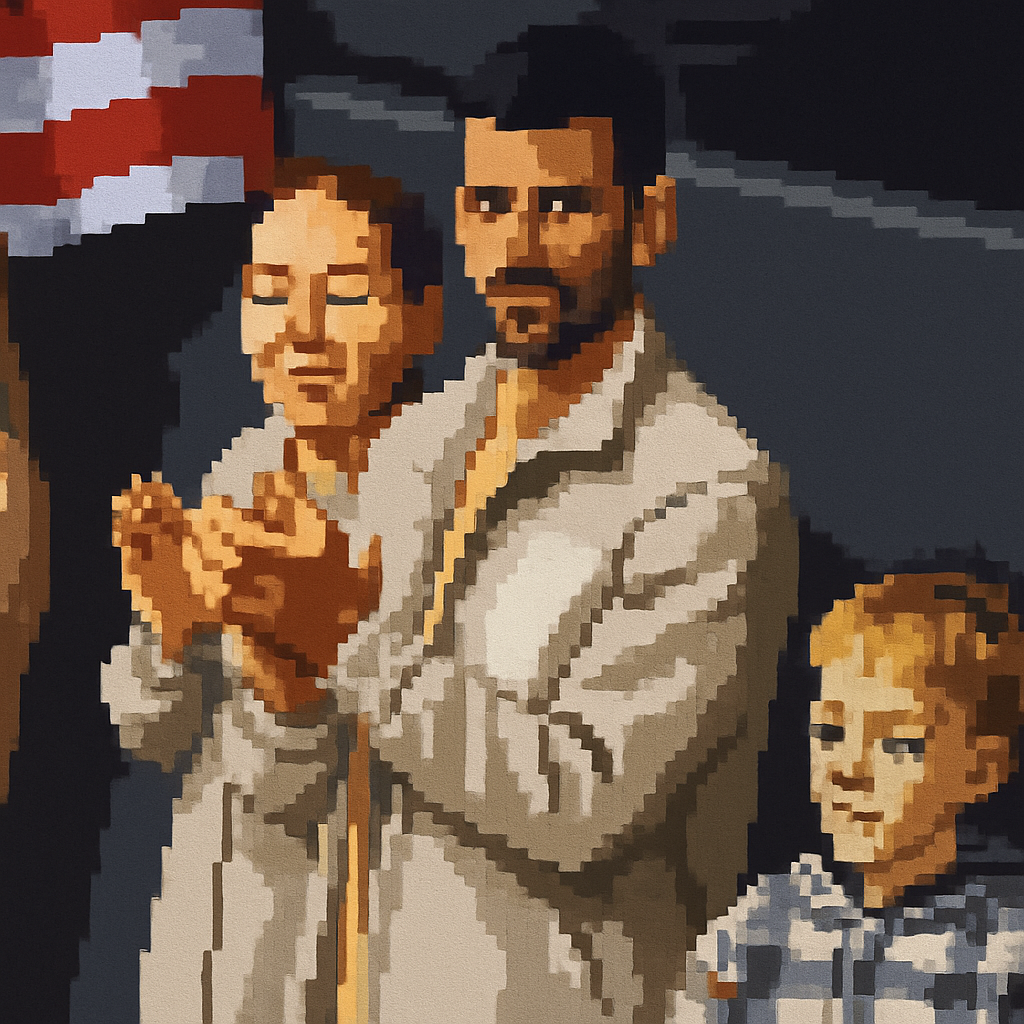
BELGRADE — In a move that sent shockwaves through his home nation, tennis legend Novak Djokovic has confirmed he is uprooting his family from Serbia and moving abroad. The decision, driven by a desire for a more stable environment for his children, prompted a direct and candid conversation with Serbian President Aleksandar Vučić, a dialogue Djokovic described as both difficult and necessary.
The Announcement That Stunned a Nation
The news broke not through an official press release, but in a heartfelt, wide-ranging interview with the BBC in April 2024. Djokovic, the record 24-time Grand Slam champion and Serbia's most celebrated athlete, revealed that his family had already relocated to Marbella, Spain. The primary reason, he stated, was to provide his two children, Stefan and Tara, with a calmer, more predictable daily life away from the intense public scrutiny and media frenzy that follows him relentlessly in Belgrade.
"I am not planning to leave Serbia, I am Serbia, and that is something that is deeply embedded in my heart," Djokovic clarified, emphasizing his enduring patriotism. "But for the sake of my children, for their everyday routine and stability, we have moved." He spoke of the challenges of navigating public spaces in Serbia, where a simple family outing often turns into a public event, preventing a sense of normalcy for his young son and daughter.
A Blunt Conversation with the President
Understanding the symbolic weight of his departure, Djokovic felt a personal obligation to inform the country's highest official. He requested and was granted a meeting with President Aleksandar Vučić. The encounter, as Djokovic recounted, was emotionally charged and strikingly forthright. "I told him everything I had on my heart and on my mind," Djokovic said. "I was very direct, very blunt with him."
While the full details of their private discussion remain confidential, Djokovic hinted that it touched on broader issues beyond his personal move. He expressed a deep-seated concern for the future of Serbian society and its youth, a sentiment that clearly framed his family's decision within a larger context. "I feel a responsibility as a father, as a public figure, to try and influence certain things that are happening in our country," he explained.
The President's Public Response
President Vučić, for his part, addressed the matter publicly shortly after the BBC interview aired. His comments, made to local media, were a mix of regret, understanding, and a pointed critique of the domestic environment that led to the champion's choice. "It is a great shame for us that he moved," Vučić stated bluntly. He directly attributed the move to the toxic pressures Djokovic faces at home.
"He left because of you, because of the media, because of the pressures he is exposed to in Serbia, which he cannot bear with children," Vučić said, directing his remarks at the Serbian press and public. He painted a picture of an untenable situation for the Djokovic family, where even a visit to a park or a restaurant was impossible without a swarm of attention, a reality the president acknowledged was unsustainable for raising children.
Weighing Patriotism Against Parenthood
The decision highlights a profound conflict between Djokovic's national identity and his paternal duties. His life has long been a balancing act between being a global sports icon and a Serbian hero. Key factors in the family's relocation include:
- Media Intrusion: The constant, omnipresent attention from paparazzi and fans in Serbia, which denies his children anonymity.
- Educational Environment: The search for an international schooling system that offers stability amidst his touring schedule.
- Training Infrastructure: While not the primary driver, access to world-class training facilities in Spain year-round is a professional benefit.
- Normalcy: The fundamental desire for his children to have a childhood as ordinary as possible, a luxury his fame makes nearly impossible in his homeland.
This is not the first time Djokovic has expressed frustration with the Serbian media. He has previously criticized outlets for sensationalism and a lack of privacy. The move to Spain, where he owns a home and can blend in more easily among other international celebrities and athletes, offers a reprieve from this relentless spotlight. "I want my children to grow up in a place where they can go to the park, play, and not have every moment documented or interrupted," he has expressed in prior interviews, a sentiment that clearly culminated in this life-altering choice.
A Nation Grapples with the Symbolism
Djokovic's departure has sparked intense debate within Serbia. For many citizens, he is the ultimate symbol of national pride and resilience—a boy from war-torn Belgrade who rose to conquer the world. His physical absence, even if his heart remains Serbian, is felt as a significant loss. Critics of the government and media have seized upon the event as evidence of a corrosive public discourse that even its greatest hero cannot endure.
Conversely, some have questioned the privilege of the move or argued that his status inevitably brings such attention anywhere. Yet, the unequivocal statements from both Djokovic and President Vučić place the onus squarely on the domestic environment. The president's admission that "it is a great shame for us" serves as a stark, official acknowledgment of a national failure to protect the private life of its most famous son.
Conclusion: An Open Wound and a Hope for Return
Novak Djokovic's relocation is more than a celebrity changing addresses; it is a poignant narrative about the cost of fame, the priorities of parenthood, and the complex love for one's homeland. The blunt chat with President Vučić underscores the gravity with which both men viewed the situation. While Djokovic's professional base and heart remain tied to Serbia—he still runs his Novak Tennis Centre in Belgrade and is deeply involved in philanthropic efforts in the country—his family's home is now elsewhere. The episode leaves an open wound in the national consciousness, a reminder of the pressures that can drive even the most dedicated patriot to seek sanctuary abroad. The hope, unspoken but deeply felt by millions of Serbians, is that one day conditions will allow their champion, and his family, to fully return home.