
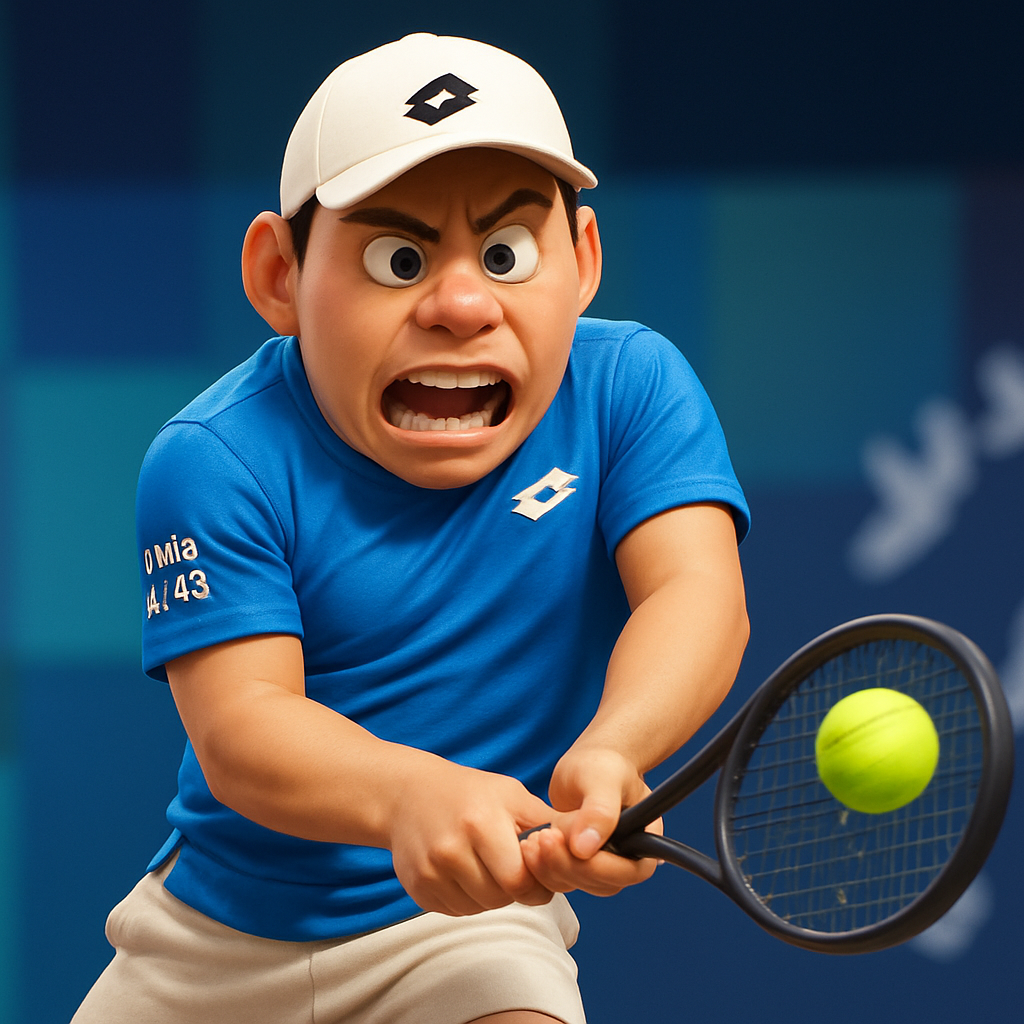
DUBAI — Finnish tennis star Harri Heliovaara has become the public voice for a group of professional players stranded in Dubai following unprecedented flash flooding that paralyzed the United Arab Emirates. The doubles specialist, currently ranked World No. 48, opened up about the surreal and frustrating situation, admitting to reporters, "We want to get out ASAP, but it's not looking good."
Heliovaara is among dozens of ATP and WTA players caught in a logistical nightmare after torrential rains, the heaviest in 75 years, brought the bustling metropolis to a standstill. Dubai International Airport, one of the world's busiest aviation hubs, faced severe disruptions with hundreds of flights canceled and major access roads submerged. The players were in the region competing in tournaments like the Dubai Duty Free Tennis Championships and the ATP 500 event in Dubai, with many scheduled to travel directly to Europe for the clay-court season or to the United States for the Sunshine Double in Indian Wells and Miami.
A City Brought to Its Knees
The scale of the rainfall was staggering for a desert nation. In just 12 hours, Dubai received over 142mm (5.59 inches) of rain, which is more than it typically sees in an entire year. The resulting floods inundated highways, submerged luxury vehicles, and flooded homes and infrastructure. For the tennis contingent, the immediate concern shifted from forehands and backhands to finding a viable route out of the country. Social media feeds, normally filled with match highlights and training clips, were instead flooded with images and videos of the chaos from players like Jannik Sinner, Daniil Medvedev, and Aryna Sabalenka.
Heliovaara described the scene as one of controlled chaos. "The airport is a mess. There are people everywhere, sleeping on floors, with no clear information. We're checking flights constantly, but they get canceled as quickly as they appear. We're essentially stuck in our hotels, waiting for news," he explained. The uncertainty is compounded by the fact that professional tennis operates on a tightly scheduled calendar, with ranking points and significant earnings on the line for every week missed.
The Domino Effect on the Tennis Calendar
The timing of the disruption could not be worse. The incident creates a significant domino effect for the spring schedule. Players are urgently trying to reach destinations like:
- Monte Carlo: The first major European clay-court Masters 1000 event begins on April 7th, with many players needing to arrive early for practice and acclimatization.
- Barcelona & Madrid: Key ATP 500 and WTA 1000 tournaments that are crucial for building form ahead of Roland-Garros.
- USA: While the Indian Wells and Miami events have concluded, some players and their teams are based in the States or have commitments there.
Heliovaara, who plays primarily on the doubles circuit, highlighted the unique pressure on lower-ranked players and doubles specialists who operate with smaller teams and tighter budgets. "For the top guys, it's an inconvenience. For many of us, this is a serious financial and ranking hit," he stated.
Training in Limbo and Mental Strain
Beyond travel, the stranded athletes face the challenge of maintaining peak physical condition. While many are housed in hotels with good facilities, the psychological toll of indefinite waiting is significant. "You try to train, but your mind isn't fully there," Heliovaara admitted. "You're checking your phone every five minutes, talking to agents, trying to find any solution. It's exhausting."
The situation has fostered an unusual sense of camaraderie among rivals. Players are sharing information, pooling resources, and offering support. "We're all in the same boat. You see guys you competed against last week now in the hotel gym, all of us just trying to stay sane and ready for when we can finally leave," Heliovaara said, noting a silver lining in the shared adversity.
Logistical Nightmare and Future Concerns
The backlog at Dubai Airport is expected to take days, if not longer, to clear. Airlines are prioritizing outbound aircraft that were already on the ground, but the disruption to crew schedules and aircraft positioning is immense. Some players have explored radical alternatives, including expensive private charter flights from neighboring emirates or countries, but even those options are fraught with uncertainty due to air traffic congestion.
The incident has also sparked conversations within player circles about risk management and the tour's calendar. While weather events of this magnitude are historically rare in the Gulf, climate change is increasing the frequency of extreme weather globally. "This is a wake-up call. We play in a global sport, and we're exposed to these kinds of risks," Heliovaara reflected.
He also expressed sympathy for the local residents dealing with the flooding's aftermath. "Our problems are small in comparison to what some people here are facing—losing cars, homes being damaged. We're safe and in good hotels, so we have to keep that perspective even while we're frustrated."
Conclusion: An Uncertain Wait Continues
As of now, Harri Heliovaara and his fellow competitors remain in a holding pattern. Their immediate future is dictated not by draw sheets, but by flight manifests and the slow receding of floodwaters. The episode underscores the fragile logistics underpinning international sport and the human element often hidden behind the glamour of professional tournaments.
For Heliovaara, the focus remains on patience and pragmatism. "We want to get out ASAP, that's the only goal. But we're at the mercy of forces much bigger than a tennis match. All we can do is wait, train when possible, and hope the situation improves hour by hour." His candid admission has given a relatable face to a sprawling travel crisis, reminding fans that before they are athletes, they are travelers subject to the same unpredictable disruptions as anyone else.