
RIO DE JANEIRO — In the annals of tennis history, stories of physical endurance and emotional triumph are woven into the fabric of the sport. Yet, what Argentine Tomas Martin Etcheverry accomplished on a sweltering Sunday at the Rio Open will be etched into legend for its sheer, brutal test of will. The 24-year-old, known more for his clay-court consistency than headline-grabbing heroics, played an astonishing six hours of tennis in a single day to capture his maiden ATP Tour title, collapsing to the clay in tears of disbelief and exhaustion.
The day’s marathon began under the oppressive Brazilian sun, with Etcheverry needing to complete his rain-delayed semifinal against Chilean qualifier Corentin Moutet. That match, suspended the previous evening with Etcheverry leading 4-6, 6-4, 5-4, required another 45 minutes of intense battle. Etcheverry finally sealed the victory 6-4 in the third set, but the cost was immense. He had little more than an hour to recover, refuel, and prepare for the final against the formidable Norwegian, fifth seed Casper Ruud, a three-time Grand Slam finalist and a master of the red dirt himself.
A Final Forged in Fire and Fatigue
As the final commenced, the narrative seemed pre-written. A weary Etcheverry, having already expended so much physical and mental energy, would surely succumb to the fresh legs and elite pedigree of Ruud. For a set, that script held. Ruud, precise and powerful, raced to a 6-4 lead. The Argentine’s movement appeared labored, his shots lacking their customary depth. Yet, somewhere in the reserves of his spirit, Etcheverry found a wellspring of defiance. He began to unleash his devastating forehand, a shot that had carried him to the quarterfinals of the French Open just a year prior.
The second set evolved into a grueling war of attrition. Etcheverry broke Ruud’s serve and fought off break points on his own, his grunts echoing around the quadra with increasing desperation. He leveled the match by taking the set 6-3, forcing a decider. By this point, the match had crossed the two-hour mark, and Etcheverry’s total court time for the day neared four hours. The physical toll was visible; between points, he leaned on his racket, gasping for air in the thick humidity. Ruud, sensing an opportunity, broke serve early in the third to take a 2-0 lead. The title appeared to be slipping away.
But Etcheverry, displaying a champion’s heart, broke back immediately. What followed was a breathtaking display of clutch tennis. At 4-4, deuce on Ruud’s serve, Etcheverry chased down a seemingly impossible drop shot, flicking a backhand winner past the stunned Norwegian. He converted the break point with a roar, earning the chance to serve for the championship. The final game was a microcosm of the entire day: tense, physical, and fraught with emotion. On his second championship point, Etcheverry watched as a Ruud forehand sailed long. The scoreboard read 6-4, 3-6, 6-4.
The Emotional Release of a Lifetime
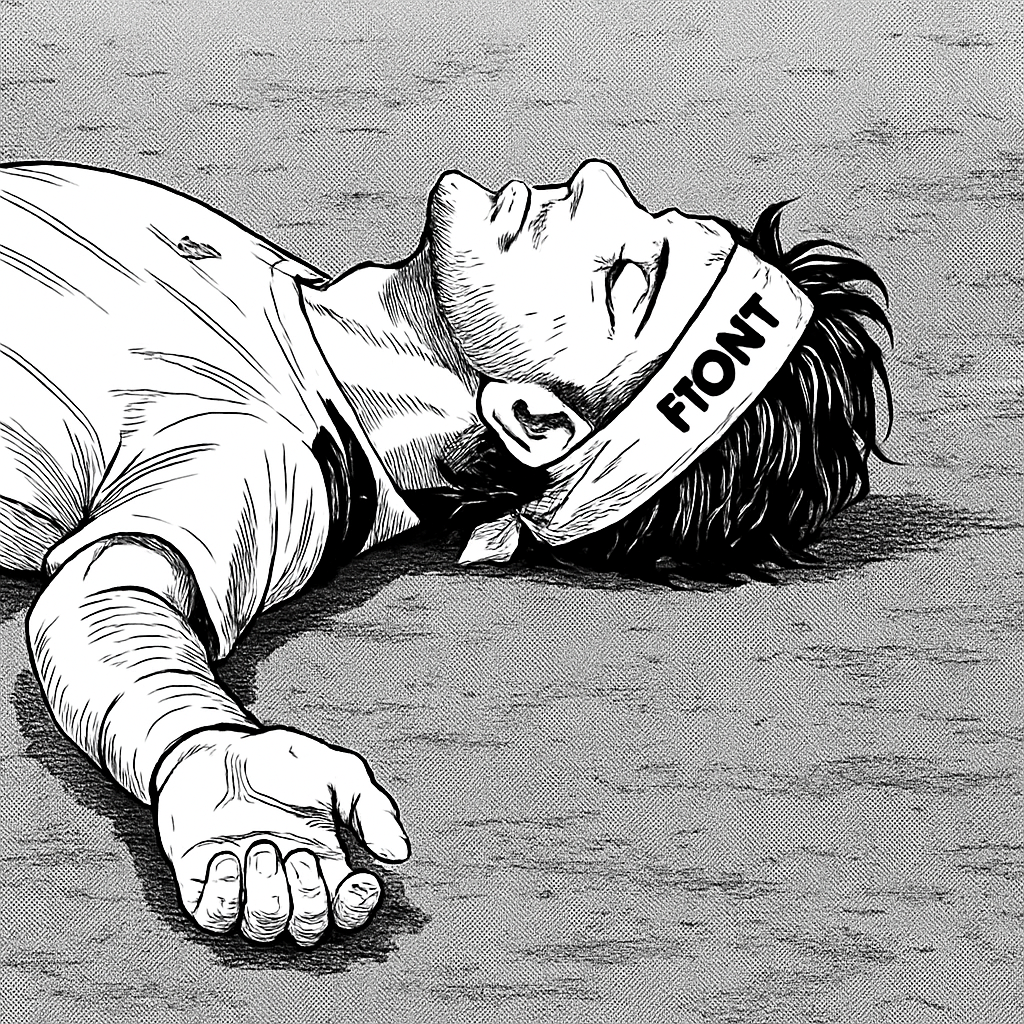
The moment the ball landed out, Etcheverry’s legs gave way. He dropped his racket, fell to his knees on the baseline, and buried his face in his hands, his shoulders heaving with uncontrollable sobs. These were not just tears of joy for a first title; they were the release of six hours of accumulated pressure, pain, and doubt. He was soon a crumpled heap on the clay, overwhelmed by the magnitude of his achievement. Ruud, displaying immense sportsmanship, walked around the net to console and congratulate his opponent, helping the emotional Argentine to his feet.
In his post-match speech, voice cracking with emotion, Etcheverry struggled to find the words. "This is a dream for me," he said, addressing the crowd in Spanish. "I worked all my life for this moment. Today was unbelievable, one of the toughest days of my career, playing six hours. I have no words... I’m destroyed, but so, so happy." His victory was built on a foundation of remarkable statistics and sheer grit:
- Total Match Time: Approximately 6 hours across two matches.
- Final Duration: 2 hours and 44 minutes of high-intensity clay-court tennis.
- Key Stat: Etcheverry won an impressive 78% of points behind his first serve in the final, a testament to his focus under extreme fatigue.
- Ranking Rise: The victory propelled him to a new career-high ranking of World No. 27.
The respect from his peers was immediate and profound. Casper Ruud, a veteran of such battles, was gracious in defeat. "He deserved it today," Ruud stated. "He played better in the important moments. I can only imagine how he’s feeling. To play six hours in one day and win your first title is something very special. He will remember this forever." The tennis world took to social media to hail Etcheverry’s "Herculean effort," with legends and analysts alike praising his never-say-die attitude.
A Career-Defining Breakthrough
For Tomas Martin Etcheverry, this victory represents far more than a trophy and a ranking boost. It is a career-altering moment of validation. Long touted as a player with the tools to succeed on clay, he had struggled to cross the final threshold, holding an 0-3 record in ATP finals prior to Rio. The mental barrier of winning a first title is immense for any player, and to shatter it under such physically punishing circumstances speaks volumes about his character. This win signals a transition from a promising talent to a proven champion capable of winning under any condition.
The path to this moment was not easy. Hailing from La Plata, Argentina, a city with a rich tennis tradition, Etcheverry has methodically climbed the ranks. His game is built for the slow clay, with a heavy topspin forehand and a patient, point-constructing style. However, the 2024 Rio Open revealed a new dimension: mental fortitude. Coach Eduardo Infantino remarked after the final, "Today, Tomas won with his heart. The tennis was there, but the heart was bigger. He showed everyone what he is made of."
As the South American clay-court swing continues, Etcheverry will now carry the confidence of a titlist. The target on his back will be larger, but so will his belief. His victory in Rio serves as a powerful reminder of the core tenets of sports: resilience, perseverance, and the profound human capacity to push beyond perceived limits. When asked how he would celebrate, the exhausted champion managed a smile. "First, I will sleep for two days," he said. "Then, I will enjoy this with my family and team. This is for all of us."
In the end, the image of Tomas Martin Etcheverry, weeping on the clay of the Jockey Club Brasileiro, is not one of weakness, but of supreme strength. It is the raw, unfiltered portrait of a dream realized through six hours of unyielding effort. His tears washed away the doubts of the past and marked the beginning of a new chapter for Argentine tennis, proving that sometimes, the greatest victories are not just won, but endured.