
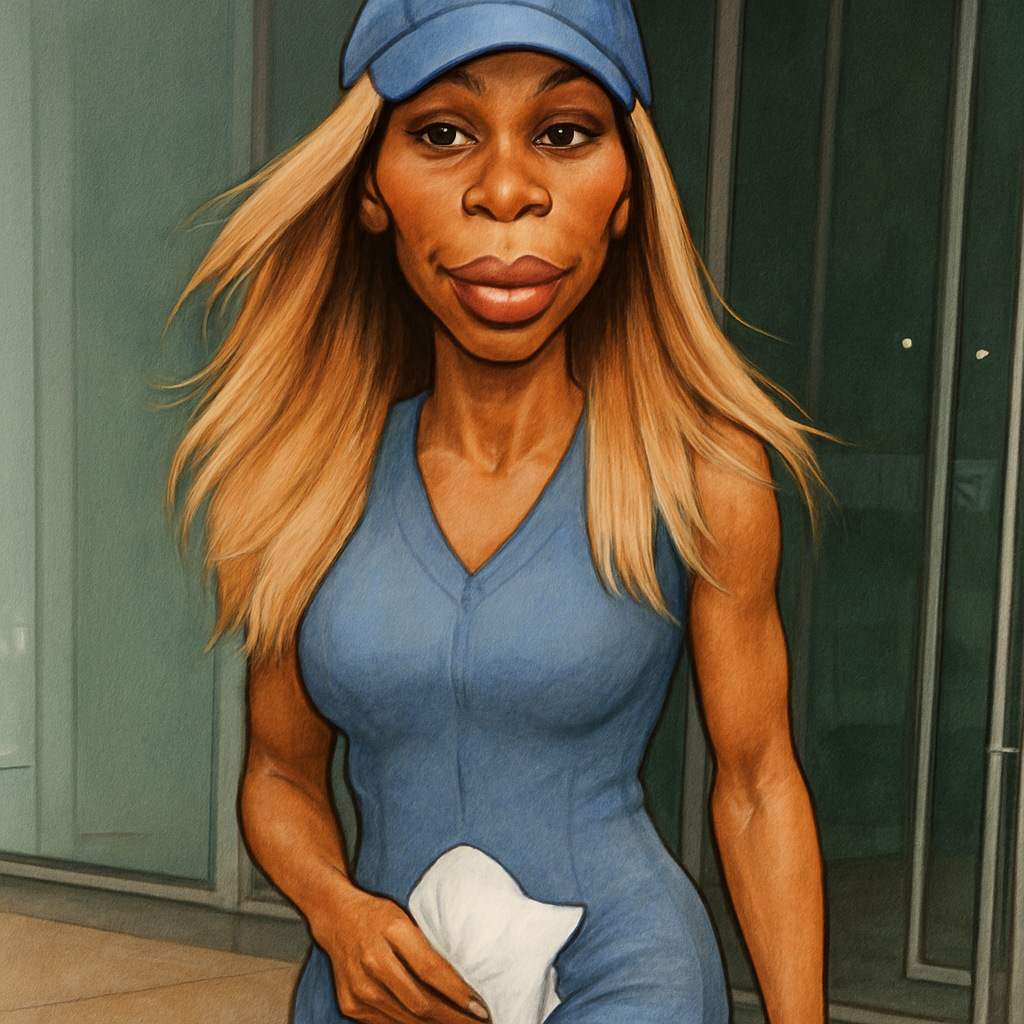
TENNIS WORLD — The date is circled on the calendar of every tennis fan: February 22. On that day, the greatest women’s tennis player of all time, Serena Williams, will have officially completed the reinstatement process required by the World Anti-Doping Agency (WADA) and will be eligible to return to competition. The news, confirmed by the International Tennis Integrity Agency (ITIA), has sent a seismic wave of speculation through the sports world. But the critical question remains: Will the 23-time Grand Slam champion actually make a comeback?
The Path to Reinstatement
Serena Williams’s journey to this point has been a complex and highly publicized saga. In September 2022, she announced her evolution away from tennis in a poignant essay for *Vogue*, a moment widely interpreted as her retirement. However, she never formally filed retirement paperwork with the ITIA, a crucial administrative detail. This meant she remained in the registered testing pool and subject to out-of-competition whereabouts requirements. Three missed tests in a 12-month period constitutes a violation, and in April 2023, the ITIA confirmed Williams had accrued her third "whereabouts failure," triggering an automatic provisional suspension.
The standard sanction for such a violation is a period of ineligibility. Williams’s suspension began on April 12, 2023, and was set for a duration of 18 months. However, the ITIA noted her "engagement with the process" and the fact that two of the missed tests were deemed "filing failures" rather than "missed tests" contributed to a reduced sentence. Her period of ineligibility concludes on February 21, 2024, making February 22 her first eligible day to compete. The ITIA stated, "The athlete has served her period of ineligibility and is free to resume competition on 22 February, 2024, provided she satisfies the conditions of reinstatement."
The Case for a Return
The mere possibility of Serena’s return is fueled by her own legendary competitiveness and ambiguous statements. She has never explicitly closed the door. In various interviews since her *Vogue* announcement, she has spoken about keeping her options open, maintaining her fitness, and the powerful pull of the game. The allure of a storybook ending at a major tournament, particularly the US Open where she has won six titles, is a narrative almost too compelling to ignore. Furthermore, the current landscape of women’s tennis, while fiercely competitive, lacks a single dominant figure, potentially creating an opening for a player of her transcendent talent and experience.
Key factors that could motivate a return include:
- The Unfinished Business of 24: Matching Margaret Court’s all-time Grand Slam record of 24 major singles titles has been Serena’s white whale for years. Falling just one short after reaching four finals post-childbirth adds a layer of historic motivation.
- Physical Readiness: By all accounts, Williams has maintained an intense training regimen. Social media posts show her in formidable shape, working on-court and in the gym, suggesting she is keeping the engine tuned.
- The Stage is Set: A one-off appearance at a tournament like Indian Wells or Miami in March, followed by a targeted run at Wimbledon or the US Open, would create a global sporting event unlike any other.
The Case Against a Comeback
Despite the tantalizing possibilities, significant evidence points toward Serena Williams’s competitive career being conclusively over. Her farewell at the 2022 US Open was treated as a definitive goodbye by fans, media, and the tournament itself—a multi-day celebration of her legacy. Since then, she has fully immersed herself in her venture capital firm, Serena Ventures, her family life with her daughter Olympia, and various entertainment projects. The mental and physical grind of the tour, especially after achieving so much, is a monumental ask.
Tennis insiders also point to the practical realities. At 42, returning to the pinnacle of a sport that demands explosive movement and week-in, week-out consistency against players half her age is an unprecedented challenge. The reinstatement date may simply be a procedural endpoint, not a starting gun. As sports journalist Ben Rothenberg noted, "The reinstatement is a bureaucratic necessity, not a declaration of intent. Everything Serena has done and said since that night in Ashe points to a champion who has found peace in her next chapter."
The Business of Being Serena
It’s also critical to view this through the lens of brand management. Serena Williams is a global icon whose marketability transcends tennis. Remaining eligible, even if not active, preserves certain sponsorship flexibilities and keeps her name in the sports news cycle organically. The February 22 date generates headlines and discussion, maintaining her relevance in the athletic conversation without her having to swing a racket in anger. This strategic ambiguity is a powerful tool in itself.
What the Tennis World is Saying
Reaction from fellow players has been a mix of hopeful excitement and realistic skepticism. Coco Gauff, who looked up to Williams as an idol, expressed cautious optimism: "If she ever decided to come back, the tour would welcome her with open arms. She’s Serena. But I also know she’s building an amazing life off the court. We’ll all be watching on February 22nd, just in case." In contrast, many coaches and analysts believe the logistical hurdles—securing wild cards, rebuilding match toughness, and managing expectations—are too steep.
The WTA itself has remained diplomatically open. A spokesperson stated, "Serena Williams is one of the greatest champions in the history of our sport. Her eligibility is a matter governed by the ITIA. Should she choose to return and enter tournaments, we know fans around the world would be thrilled." Tournament directors for the spring hardcourt events in the United States have privately indicated they have wild cards reserved with her name on them, a testament to her enduring draw.
Conclusion: The Ball is in Her Court
As the clock ticks toward February 22, the tennis world holds its breath. The facts are clear: Serena Williams *can* return. The mystery is whether she *will*. All signs from her personal and professional life suggest she has gracefully moved on, content with a legacy that is untouchable. Yet, the faintest ember of possibility remains alive because she is Serena Williams—a competitor who has spent a lifetime defying odds and rewriting history. Whether she uses her regained eligibility to stage one last, miraculous campaign or simply allows the date to pass as a formal endpoint to a legendary chapter, February 22 will mark a significant moment. It is the day the door, once thought firmly shut, is officially unlocked. Only Serena knows if she will choose to walk through it.