
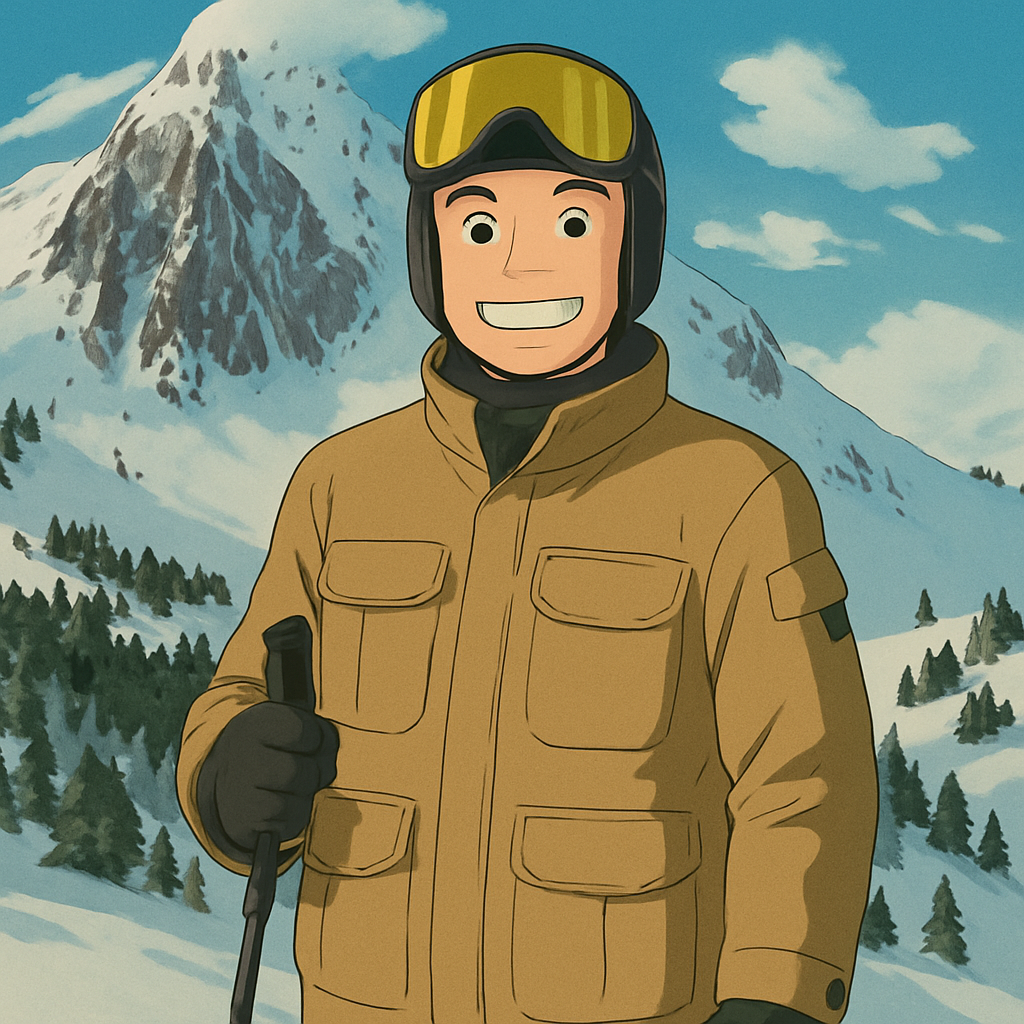
MANACOR — For over two decades, the world has known Rafael Nadal as a force of nature on a clay court, a man whose identity is inextricably woven with the grip of a tennis racket and the thwack of a yellow ball. Yet, in the wake of a persistent injury battle that has kept him off the professional tour, a different Rafa has emerged—one who has deliberately set aside his primary instrument of glory to rediscover a long-lost passion. After a 26-year hiatus, the 22-time Grand Slam champion has returned to the ski slopes, finding a profound and public joy in a sport that demands everything but a forehand.
The revelation came via a series of social media posts that showed Nadal, all smiles, carving turns in the snow of the Spanish Pyrenees. "After more than 26 years... I stepped on the snow again!" he wrote exuberantly. For a global sports icon whose every move is scrutinized, the images were strikingly candid: a glimpse of unadulterated personal enjoyment, far removed from the pressures of Centre Court. It was a conscious choice for recovery, both physical and mental, as he navigates the latest chapter of his career.
A Calculated Pause from the Pressure
Nadal's return to skiing is not merely a holiday anecdote; it is a symbolic and strategic step in his prolonged recovery from a hip injury that required surgery in 2023 and subsequent muscle issues that delayed his planned farewell tour in 2024. Doctors had long advised against the sport due to the inherent risk of knee stress and potential falls. However, with his tennis future uncertain and his body in a careful rehabilitation phase, Nadal made a calculated decision. "The doctors have always told me not to, but I've decided to take the risk," he admitted, highlighting a shift in mindset from protecting his tennis-specific machinery to embracing overall well-being.
This hiatus from his racket is deliberate. In numerous interviews, Nadal has emphasized that he will not return to competition until he feels genuinely competitive. He refuses to simply show up for ceremonial appearances. This period away from the daily grind of training has opened a space for other pursuits. The skiing trip, undertaken with family and friends, represents a mental reset. As he told the Spanish newspaper El País, the goal is to "disconnect a little from the routine, from the life I've had these last few months."
Rediscovering the Thrill of the Slopes
Nadal last skied as a young teenager, before his tennis career exploded onto the global stage. Returning as a 37-year-old, he approached the slopes with the same focused intensity he brings to Roland Garros, albeit with a lighter heart. His social media posts documented the journey from novice-level apprehension to confident turns. "The first day I was going down easy slopes, very slowly, and today I was able to go down some red slopes," he shared, referencing intermediate-level runs. The progression was a small victory, a personal challenge met outside the arena of world rankings and titles.
The physical benefits, while carefully managed, are also part of the appeal. Skiing engages a different set of muscles and proprioceptive skills than tennis, promoting balance, core strength, and leg conditioning without the punishing lateral cuts and hard stops of court sports. For an athlete rebuilding his physical foundation, it offers a form of cross-training that is both effective and exhilarating. Most importantly, it is an activity devoid of the shadow of his tennis legacy. On the mountain, he is not "Rafa, the champion," but simply Rafa, learning and enjoying.
Why Skiing, and Why Now?
The decision underscores several key aspects of Nadal's current mindset:
- Mental Health Priority: The relentless pressure of a top-tier athletic career is immense. Stepping away to engage in a purely recreational sport is a recognized strategy for mental recovery, reducing burnout and reigniting passion.
- Physical Rehabilitation: Under expert supervision, controlled skiing can aid in building supportive musculature and joint stability in a low-impact, high-engagement environment.
- Life Beyond Tennis: Nadal is openly preparing for his post-tennis life. This exploration of other sports and joys is a healthy step in that transition, building an identity not solely dependent on competitive success.
The contrast between the two athletic pursuits is stark, and perhaps that's the point. Tennis, for Nadal, has been a profession of immense sacrifice, pain, and glory. Skiing, in this context, is pure play. There are no points to win, no trophies to lift, no history to defend. As he gleefully posted, "What an incredible experience! I highly recommend it. Wonderful few days!"
The Road Ahead: Racket in Waiting
Nadal's joyful detour to the mountains does not signal retirement. He has consistently stated his desire to return to tennis in 2024, with targets like the Roland Garros Olympics a powerful motivator. However, he has set a non-negotiable condition: he must be healthy enough to believe he can win. "If I arrive in Paris the way I feel today, I wouldn't go on court," he stated bluntly in a recent press conference. The skiing interlude is part of the holistic process to reach that competitive standard, by ensuring he returns to training refreshed and motivated.
Fans and pundits alike are reading the signals. The sight of Nadal on skis is a powerful message that he is listening to his body and his mind, prioritizing long-term health over short-term obligation. It reflects a mature athlete who understands that the path back to his first love may require temporarily loving something else. The racket, for now, remains in its bag, not out of neglect, but out of a strategic and self-aware patience.
A Lesson in Athletic Evolution
Rafael Nadal's snowy escapade is more than a celebrity holiday snap. It is a case study in the evolution of a champion. It shows that even the most singularly dedicated professionals must eventually broaden their horizons, for the sake of their craft and their personhood. By refusing to pick up a racket until the time is right, and by instead picking up skis, Nadal is exercising a different kind of strength—the strength to step away, to find joy in new challenges, and to define himself on his own terms during a fragile transition.
As the clay-court season beckons, the tennis world watches and waits. But for a few days in the Pyrenees, Rafael Nadal was not waiting at all. He was flying down a mountainside, rediscovering a piece of his childhood and, in the process, perhaps finding a clearer path forward for the man he is becoming. The champion's joy, it turns out, can be found not only in the roar of a stadium but also in the silent, cold rush of a mountain descent, a racket nowhere in sight.