
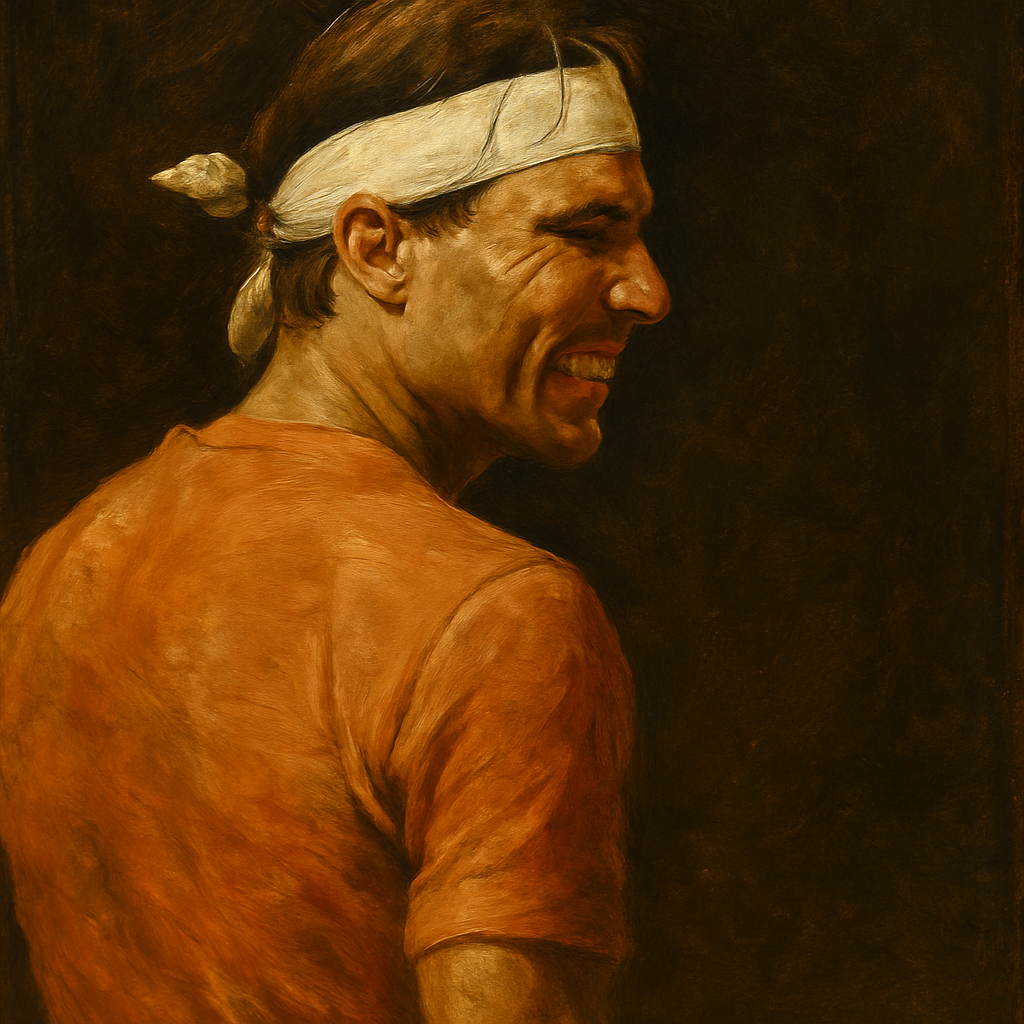
PARIS — The typically genteel world of tennis commentary was jolted this week when a social media exchange between a legend and a renowned coach turned unexpectedly fiery. Rafael Nadal found himself at the center of a brief but intense online storm after responding to—and then swiftly deleting—a pointed comment aimed at Serena Williams' former coach, Patrick Mouratoglou.
The incident, which played out on the platform X (formerly Twitter), began with Mouratoglou sharing his analysis on what makes a true "champion." In a video post, the French coach, who guided Williams to ten Grand Slam titles, argued that modern players focus too much on technical perfection. "The new generation is much more perfect, technically, than the previous ones," he stated.
The Spark: Mouratoglou's "Champion" Theory
Mouratoglou's central thesis was that while today's players are technically superior, they lack the intangible, often brutal, competitive edge that defined past greats. He suggested that true champions are forged not in flawless technique but in a relentless, almost obsessive will to win, often developed through hardship. "The champions are not the ones who are perfect," he claimed. "The champions are the ones who handle imperfection better."
To illustrate his point, Mouratoglou used a provocative comparison involving two of the sport's all-time icons: Roger Federer and Rafael Nadal. He described Federer's style as "perfect, harmonious, effortless," while characterizing Nadal's as built on "fighting, intensity, and pushing limits."
Nadal's "Brutal" and Deleted Retort
It was this comparison that seemingly prompted Nadal's response. The 22-time Grand Slam champion, known for his respectful public demeanor, quote-tweeted Mouratoglou's video with a succinct, four-word comment in Spanish that translated to: "Thank you, Patrick… for your words… and your silence until now."
The implication was clear: Nadal was calling out Mouratoglou for offering unsolicited, and perhaps outdated, analysis on his career long after his peak. The response was interpreted by fans and media as a rare, brutally honest clapback from the usually diplomatic Spaniard. The tweet quickly went viral, amassing thousands of likes and retweets within minutes.
However, in a move that fueled even more speculation, Nadal deleted the tweet shortly after posting it. This did little to quell the discussion; instead, it amplified it. Screenshots of the deleted reply spread rapidly across social media and tennis forums, with fans dissecting its meaning. Why did he delete it? Was it a moment of frustration he later regretted, or a strategic decision to avoid a prolonged public feud?
The Fallout and Fan Reaction
The online tennis community erupted. Many saw Nadal's original tweet as a justified response to a coach who, despite his credentials, was simplifying the complexities of champion mentality. Others felt the deletion showed Nadal's inherent class and desire to avoid negativity. Mouratoglou, for his part, did not publicly acknowledge Nadal's deleted reply directly but continued to engage with the topic, further defending his original viewpoint in subsequent posts.
The incident highlighted several key tensions in modern sports discourse:
• The role of pundits vs. athletes: Where is the line between expert analysis and overstepping for a commentator, especially when analyzing active legends?
• The definition of a champion: Mouratoglou's framework, while compelling to some, was criticized for being reductive and for creating a false dichotomy between Federer's artistry and Nadal's fight.
• The power of social media: A fleeting, deleted interaction can become the dominant tennis story for days, overshadowing actual tournament play.
A History of Subtle Tension?
While not overtly hostile, this isn't the first time Mouratoglou's comments on Nadal have raised eyebrows. In the past, he has frequently analyzed Nadal's game and mentality, sometimes framing his success primarily as a product of unparalleled psychological resilience rather than technical genius. Some observers believe Nadal's deleted tweet was a cumulative reaction to being persistently pigeonholed into a "fighter-only" narrative, which overlooks his own immense technical skill and evolution.
Nadal, who is navigating the final chapter of his career amid persistent injury battles, has been increasingly vocal about respecting the journey and legacy of athletes. His reaction, though brief, can be seen as a defense of his own narrative—a pushback against external definitions of what made him a champion.
Conclusion: Silence Speaks Volumes
In the end, the "huge row" was more of a social media flashpoint than a lasting feud. Nadal's decision to delete the tweet effectively drew a line under the public exchange. However, the episode remains a fascinating glimpse into the pressures legends face from the commentary sphere. It underscored that even the most composed athletes have breaking points when it comes to public perception. Nadal, ultimately, had the last word by removing his words, leaving Mouratoglou's theory—and the internet's fervent discussion—to echo in the silence he chose to reimpose.