
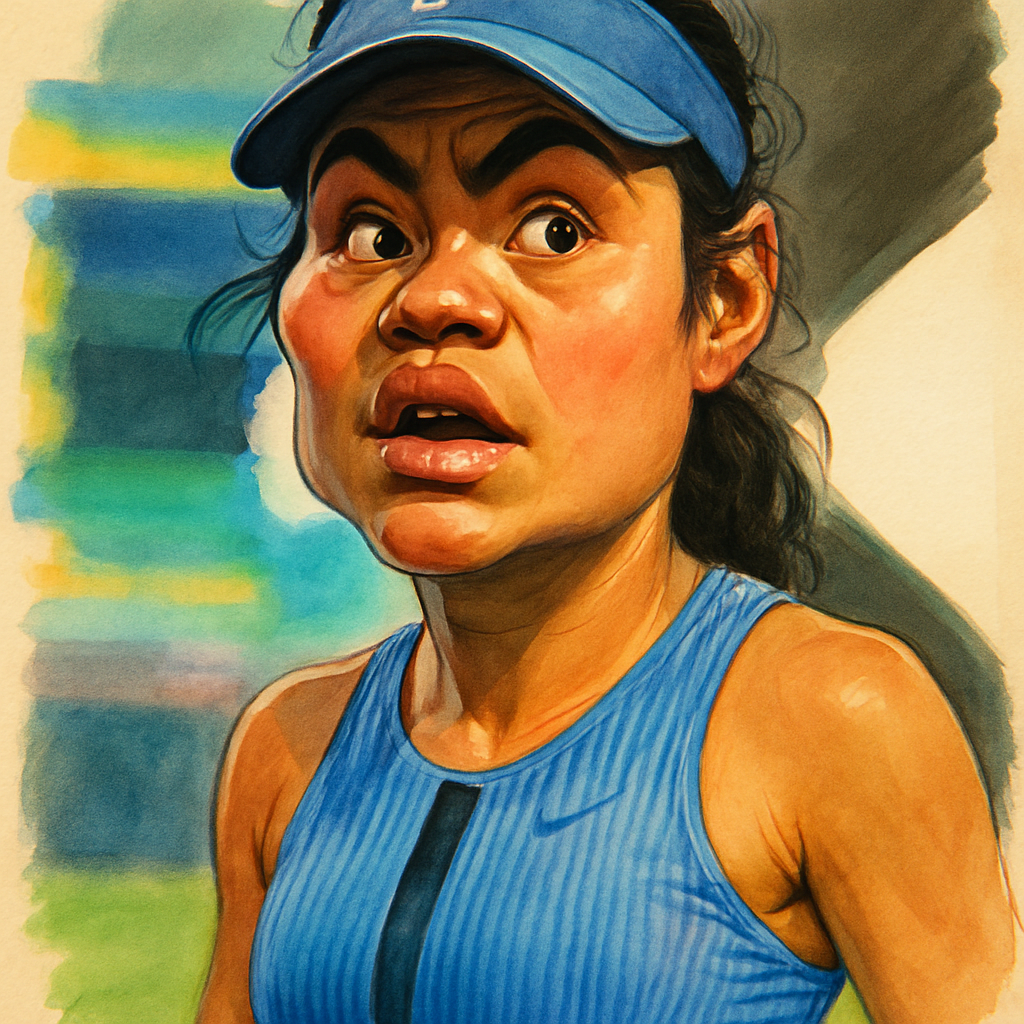
LONDON — For Emma Raducanu, the simple act of boarding a train or walking through a public space now represents a profound victory. The 2021 US Open champion has revealed that she feels she is no longer "hiding from anything any more" following a distressing stalking ordeal that cast a long shadow over her life and career.
The Shadow of a Stalker
In late 2022, a 35-year-old man, Amrit Magar, began a campaign of harassment against the young tennis star. The situation escalated to the point where Raducanu felt compelled to drastically alter her daily routines and lifestyle for her own safety. Magar was eventually arrested in December 2022 after attempting to gain access to Raducanu's residence in London. He was later convicted of stalking involving serious alarm or distress and sentenced to a three-year restraining order and a community order. For Raducanu, the experience was deeply invasive, forcing her into a state of hyper-vigilance that contradicted the vibrant, public life of a top athlete.
The psychological impact was significant. Raducanu described the period as one where she felt she had to constantly look over her shoulder, a sentiment that clashed with the freedom typically associated with youth and professional sport. "It made me very apprehensive and on edge about everything," she admitted in a recent interview. The ordeal necessitated a suite of security measures, transforming ordinary activities into calculated risks.
Reclaiming Normalcy
Now, over a year after the conviction, Raducanu is consciously and courageously reclaiming the everyday freedoms she lost. She has spoken openly about deliberately choosing to use public transport and move through the world without the constant fear that once plagued her. This conscious effort marks a pivotal chapter in her recovery, symbolizing a return to autonomy.
"I feel like I'm not hiding from anything any more," Raducanu stated, emphasizing the shift in her mindset. "I feel a lot more comfortable in my own skin and in my own situation. I'm not trying to be someone that I'm not or trying to please anyone." This newfound comfort extends beyond personal security to her approach to tennis and public life, reflecting a more integrated and self-assured individual.
Her journey back to normalcy involved several key, deliberate steps to rebuild her sense of safety and control:
- Re-engaging with the Public: Choosing to travel on trains and tubes, immersing herself in everyday environments rather than avoiding them.
- Open Dialogue: Speaking candidly about the experience to reduce stigma and process the trauma, rather than internalizing it.
- Focus on Routine: Re-establishing a normal training and life routine outside the shadow of threat.
- Perspective Shift: Using the experience to gain clarity on what truly matters, separating public perception from personal well-being.
A Catalyst for Growth
Paradoxically, Raducanu suggests the traumatic episode has contributed to a stronger, more resilient version of herself. The process of navigating the legal system, managing fear, and rebuilding her life has fostered a maturity that now informs her career. She describes a clearer focus and a reduced burden of external expectations. "I feel like I don't need to please anyone or put on a front," she explained, highlighting the liberation that has come from facing such a profound personal challenge.
Impact on Court and Comeback
This mental shift coincides with her much-anticipated return to competitive tennis following multiple surgeries on her wrists and ankle. While the physical recovery has been documented, the psychological comeback from her stalking ordeal is an equally significant part of her narrative. The resilience forged during that difficult period is now a resource she draws upon during the inevitable ups and downs of professional sport.
Observers have noted a different demeanor in Raducanu since her return—one that appears more grounded and self-possessed. The pressure to be a perfect champion, which followed her historic US Open win as a qualifier, seems to have been recalibrated. "I think going through something like that gives you a lot of perspective," she reflected. The ordeal, while harrowing, inadvertently provided a harsh but effective lesson in prioritizing mental health and personal safety above all else.
A Message of Resilience
Raducanu’s willingness to discuss her experience publicly serves as a powerful message, particularly for other young women in the public eye. Stalking is a serious crime with lasting effects, and her openness helps demystify the trauma associated with it. By sharing her story of fear and subsequent reclamation of freedom, she transforms a private ordeal into a public testament to resilience.
Her stance now is one of defiant normalcy. The image of a Grand Slam champion confidently navigating the London Underground is a potent symbol of her recovery. "I'm just going about my business as I would have done before," she said, a simple statement that underscores a hard-won victory. Emma Raducanu’s journey back to the tennis court is not just about recovering her forehand or fitness; it is fundamentally about reclaiming her right to move through the world without fear, a triumph that arguably outweighs any on the scoreboard.