
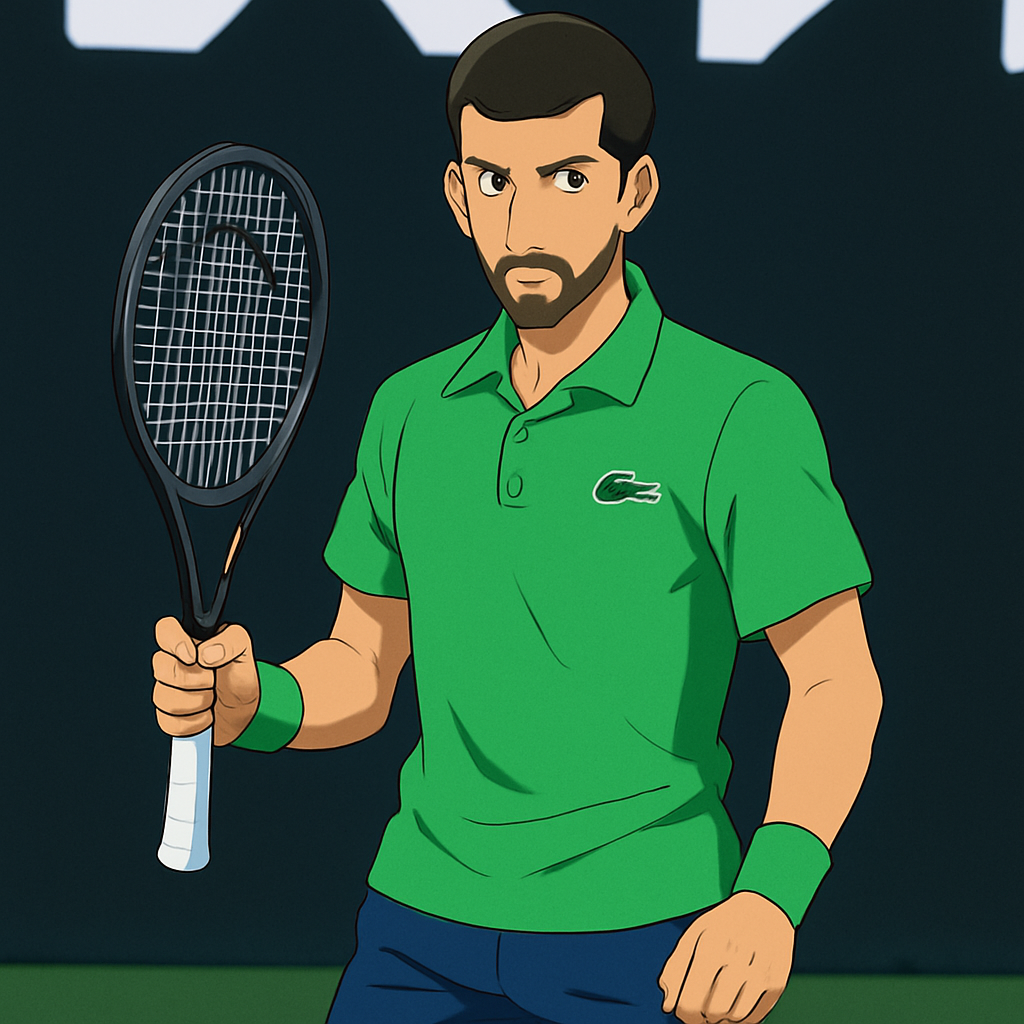
In the often high-stakes, individualistic world of professional sports, moments of genuine, cross-discipline admiration are rare and powerful. Such a moment unfolded recently when tennis legend Novak Djokovic, a figure synonymous with relentless mental fortitude, publicly commended freestyle skier and global icon Eileen Gu. The catalyst was an emotional and introspective speech Gu delivered, reflecting on her identity, pressure, and purpose. Djokovic's response was characteristically concise yet profoundly resonant, cutting straight to the heart of her message.
The Speech That Captured a Champion's Attention
Eileen Gu, the Olympic gold medalist who captivated the world at the Beijing 2022 Winter Games, has become as renowned for her eloquence and perspective as for her aerial prowess. In a recent public appearance, Gu opened up about the immense weight of expectation she carries—not just as an athlete, but as a bi-cultural figure representing both the United States, where she was raised and trained, and China, the homeland of her mother where she chose to compete. Her speech delved into themes of identity, the search for self-worth beyond medals, and the psychological toll of living in a relentless global spotlight.
Gu spoke with a vulnerability uncommon for an athlete at the peak of her fame and success. She described the paradox of feeling immense pride alongside profound pressure, stating, "The narrative is never simple. Every victory is dissected, every word is analyzed, and you are constantly balancing who you are with what you represent to millions of people." This raw honesty about the mental and emotional landscape of modern stardom struck a chord far beyond the world of winter sports.
Djokovic's Powerful Two-Word Verdict
It was this speech that reached Novak Djokovic, the 24-time Grand Slam champion whose own career has been a masterclass in navigating pressure, public scrutiny, and the pursuit of legacy. Known for his deep interest in mindfulness and holistic performance, Djokovic took to his social media channels to acknowledge Gu's words. He shared a clip of her speech and appended a comment that was brief but loaded with meaning: "Profoundly inspiring."
This two-word response from one of history's greatest athletes served as a powerful endorsement. In the lexicon of elite sports, where "inspiring" is often used casually, the adverb "profoundly" elevated the sentiment. It signaled that Djokovic didn't just see a motivational soundbite; he recognized a shared understanding of the pinnacle's psychological terrain. His comment highlighted key aspects of Gu's message that clearly resonated with him:
- The Mental Game: Both athletes have publicly discussed the paramount importance of mental strength over physical talent.
- Embracing Pressure: Transforming overwhelming expectation into fuel is a hallmark of both champions' careers.
- Legacy Beyond Wins: The search for purpose and impact outside of competition is a theme in Djokovic's later career and central to Gu's narrative.
A Meeting of Minds at the Summit
The interaction is more than a simple compliment; it's a recognition between two athletes who, despite competing in different arenas, operate at a similar altitude of global fame and expectation. Djokovic, at 36, is in the legacy-defining phase of his career, often speaking about "playing for history." Gu, at just 21, is grappling with defining a legacy in real-time, under the microscope of geopolitical and cultural crosscurrents. Djokovic's public acknowledgment serves as a form of validation from a seasoned veteran to a younger peer, affirming that her struggles and insights are not only real but are also understood by those who have walked the most demanding paths.
The Shared Language of Champions
What makes this exchange particularly compelling is the common language of mindset and resilience. Djokovic has built his late-career dominance on a foundation of yoga, meditation, and meticulous mental conditioning. He has authored a book on the subject and frequently discusses "the alchemy of turning negative energy into success." Eileen Gu, meanwhile, has been vocal about the importance of sleep, visualization, and maintaining a balanced identity as a student, model, and athlete. In her speech, she emphasized, "The biggest jumps aren't on the hill, they're in your mind. Conquering fear is a daily practice, not a one-time event." This philosophy aligns seamlessly with the tenets Djokovic champions.
The public support also underscores a growing trend in sports where elite athletes are breaking down the silos between disciplines to acknowledge shared struggles. The immense pressure faced by a tennis player in a Grand Slam final, alone on the court, may find its parallel in a freestyle skier perched atop the Olympic halfpipe, moments from a run that will define years of work. Djokovic's comment subtly bridges that gap, creating a sense of unity at the highest level of performance.
The Ripple Effect of Public Support
When a figure of Novak Djokovic's stature speaks, the sports world listens. His simple endorsement amplifies Eileen Gu's message about mental health and identity to a massive, global audience that may not follow winter sports. It lends weight to her advocacy and normalizes the conversation around the psychological demands on athletes. This is especially significant in a landscape where young stars like Gu are increasingly expected to be not just competitors, but brands, role models, and diplomats.
Furthermore, Djokovic's response models a positive form of sportsmanship that transcends competition. It is a champion using his platform to uplift another, focusing on shared humanity rather than rivalry. In an era often marked by divisiveness, this small act of recognition between two athletes from different sports, cultures, and generations stands out. It reinforces the idea that the journey to and at the top, with all its internal battles, is a universal experience for elite performers.
Conclusion: More Than Just Two Words
Novak Djokovic's "profoundly inspiring" response to Eileen Gu's speech was a deceptively simple gesture rich with meaning. It represented a meeting of minds at the summit of world sport, a veteran acknowledging the authentic struggles of a new-generation star. The exchange highlights the evolving conversation in athletics—one that increasingly values mental clarity, emotional vulnerability, and holistic well-being as critical components of sustained excellence.
Ultimately, this moment between a tennis king and a skiing queen reminds us that behind the medals, records, and global fame, athletes are engaged in a continuous inner journey. Djokovic's two-word reply was an affirmation that Gu's reflections on that journey are not just valid, but essential listening. It was a powerful reminder that sometimes, the most meaningful support between champions needs no elaborate explanation—it just needs to be true.