
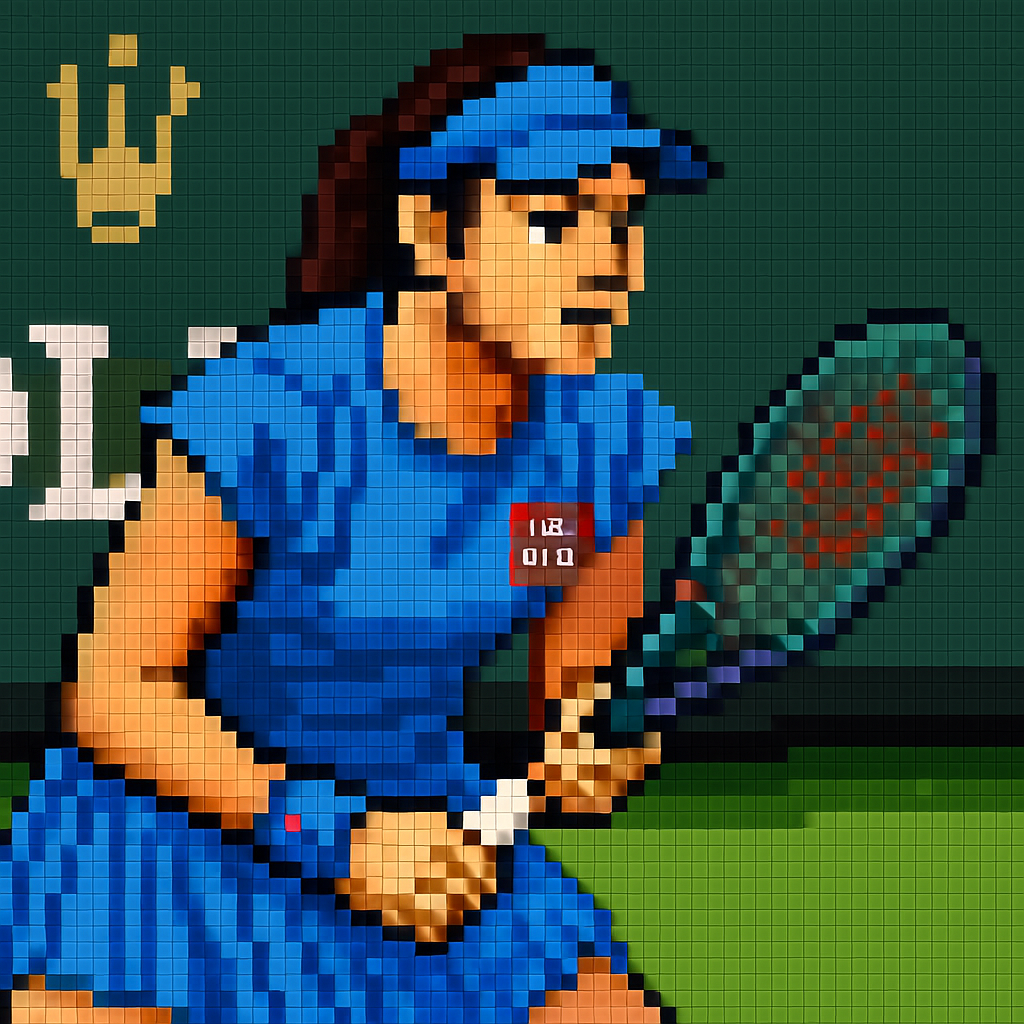
INDIAN WELLS — As Emma Raducanu navigated the sun-baked courts of the BNP Paribas Open, her tennis was not the only topic of conversation in the Californian desert. The 2021 US Open champion’s unconventional and frequently changing approach to her coaching team has become a persistent subplot to her career, drawing a spectrum of reactions from curiosity to blunt criticism from her peers on the WTA Tour.
Since her historic Flushing Meadows triumph as a qualifier, Raducanu has worked with at least five different coaches in a principal capacity, including Nigel Sears, Andrew Richardson, Torben Beltz, Dmitry Tursunov, and, most recently, Sebastian Sachs, whom she parted ways with in June 2023. This period of instability stands in stark contrast to the decades-long partnerships that have defined the careers of legends like Roger Federer and Stefan Edberg or Serena Williams and Patrick Mouratoglou.
A "Lone Wolf" Approach in a Team Sport
The modern tennis tour operates as a high-stakes team sport. A player’s entourage typically includes a full-time coach, a fitness trainer, a physiotherapist, and sometimes a mental performance coach—all working in sync. Raducanu, however, has often opted for a more fluid, consultancy-based model, bringing in specialists for short blocks or training weeks without committing to a long-term, tour-traveling coach.
This method has its defenders, particularly those who see it as a sign of a young athlete taking fierce ownership of her career. Former British No. 1 Laura Robson has noted, "She knows her own game better than anyone. If she feels she needs a different voice for a specific surface or a specific problem, who are we to argue with a Grand Slam champion?"
Yet, at Indian Wells, several established stars expressed a more traditionalist view. World No. 1 Iga Świątek, known for her stable partnership with coach Tomasz Wiktorowski, offered a diplomatic but pointed perspective: "For sure, you can see the results of having a team that’s been with you for years. The coach can really see your progress, the small details. It’s harder when you change."
Peer Perspectives: Concern, Confusion, and Respect
The locker room chatter often centers on the challenges of building technical and tactical consistency without a steady guiding hand. Two-time Australian Open champion Victoria Azarenka, never one to mince words, highlighted the practical difficulties. "Tennis is a game of patterns and adjustments," she said. "When you’re constantly explaining your game philosophy to a new person, you lose time. That time is matches, is confidence."
A common theme among players who commented was the immense pressure Raducanu has faced since her breakthrough. Coco Gauff, who has worked with her current coach, Brad Gilbert, for over a year, expressed empathy but underscored the value of stability: "It’s tough when you win a Slam so early. Everyone has an opinion. Having that one person who blocks out the noise for you is everything."
The potential pitfalls of Raducanu’s model, as cited by peers, include:
- Lack of a unified long-term development plan.
- Difficulty in troubleshooting persistent technical flaws.
- The emotional drain of repeatedly building a new working relationship.
- Conflicting advice from a rotating cast of voices.
However, not all feedback was critical. Some veterans acknowledged that the traditional model isn’t infallible. Jessica Pegula, who has found success with co-coaches David Witt and her father, noted, "If the fit isn’t right, you have to change. Maybe she just hasn’t found her ‘person’ yet. It’s better to be alone than in a bad partnership."
Raducanu’s Own Defense: "This is What Works For Me"
For her part, Raducanu has consistently defended her choices, framing them as a necessary and intentional path for her unique journey. After splitting with Sachs, she stated she was looking for a "new training model" and emphasized her desire to take the driver’s seat.
In recent months, she has been working with childhood coach Nick Cavaday and has brought former LTA performance director Iain Bates into her team on a temporary basis. She seems content with this more organic, less formal structure. "I’m really enjoying working with my team right now," she said in Indian Wells. "I’m the one hitting the ball. I have to be comfortable with what I’m hearing and how I’m applying it."
This sentiment gets to the heart of her philosophy: radical self-reliance. In an era of entourages, Raducanu is experimenting with being her own CEO, hiring expertise as she sees fit. The question posed by her peers is whether this corporate-style model can withstand the brutal, week-to-week emotional and physical grind of the tennis circuit.
The Ultimate Metric: Results on the Court
Ultimately, in professional sports, methods are judged by outcomes. Raducanu’s coaching carousel has coincided with a difficult period marked by injuries, including surgeries on both wrists and an ankle, and fluctuating results. Her protected ranking of No. 103 has her fighting through tough draws, a far cry from the automatic seeding her Slam title once afforded.
The counter-argument, often made by her supporters, is that her injuries have been the primary disruptor, not coaching changes. They point to her run to the fourth round of Indian Wells—where she defeated top-30 player Marie Bouzková—as evidence of her high ceiling when healthy, regardless of who is in her player’s box.
Yet, the consensus among many of her rivals is that to consistently challenge for the biggest titles again, she may need to settle. As Azarenka succinctly put it, "At some point, you need a captain for your ship. Everyone else is just a passenger."
Conclusion: A Defining Crossroads
Emma Raducanu’s coaching situation remains one of the most debated topics in tennis. It represents a clash between modern, flexible career management and the traditional, team-centric model that has produced nearly all of the sport’s great champions. The opinions from Indian Wells reveal a tour divided between respect for her independence and a firm belief in the proven framework of a dedicated coaching partnership.
As she continues her comeback from injury, the scrutiny will only intensify. Every victory will be seen as validation of her unique path; every early exit will invite questions about her stability. Raducanu has made it clear she will do it her way. The tennis world, from fans to fellow competitors, is watching closely to see if that way leads back to the pinnacle of the sport, or remains a fascinating but unorthodox experiment.