
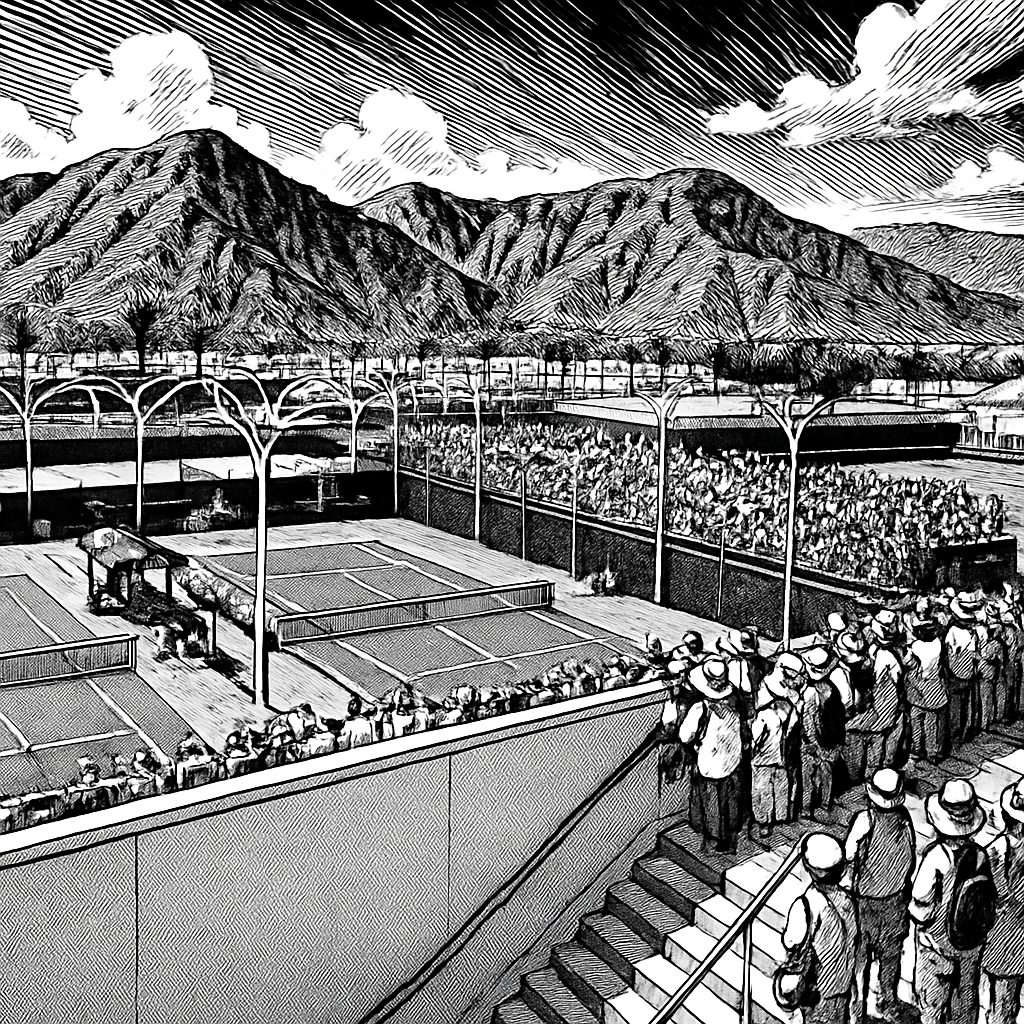
INDIAN WELLS — The serene atmosphere of a sun-drenched afternoon at the BNP Paribas Open was abruptly pierced on Tuesday when a medical emergency in the stands forced a temporary halt to play on Stadium 4. The incident occurred during a second-round qualifying match between American wildcard Emilio Nava and French veteran Adrian Mannarino, underscoring the unpredictable nature of live sporting events and the paramount importance of spectator safety.
With Nava leading 6-4, 3-6, 2-1, chair umpire Greg Allensworth made a calm but firm announcement to the players and the assembled crowd. "Ladies and gentlemen, we need to stop play for a moment. We have a medical emergency in the stands. Please remain calm and seated so medical personnel can do their work." The request was met with immediate compliance, as the focus shifted from the baseline rallies to a section of the stadium where tournament medical staff and emergency responders swiftly converged.
A Swift and Coordinated Response
The BNP Paribas Open, often dubbed the "fifth Grand Slam," is renowned for its operational excellence, and its emergency protocols were put to the test. Within moments of the incident being identified, a well-rehearsed sequence unfolded. On-site paramedics and EMTs were first on the scene, followed closely by the Indian Wells Fire Department, which maintains a constant presence at the Tennis Garden during the tournament. Their coordinated effort was a testament to the extensive planning that goes into hosting an event of this magnitude.
Play was suspended for approximately 15 minutes as medical professionals attended to the individual. The players, Nava and Mannarino, retreated to their chairs, periodically looking on with concern. Mannarino was seen taking the opportunity to re-tape his fingers, while Nava sat quietly, hydrating and staying loose. The crowd remained respectfully hushed, the usual rustle of programs and murmur of conversation replaced by a tense silence.
Players and Officials Handle the Pause with Poise
For athletes competing at the highest level, any interruption can disrupt rhythm and concentration. However, both Nava and Mannarino handled the unforeseen break with professionalism. In post-match comments, Nava reflected on the moment, stating, "It's always scary when something like that happens. You're in your competitive bubble, and then reality hits. Your first thought is for the person and their family. Tennis becomes secondary. Greg (the umpire) handled it perfectly—clear, calm. We just had to wait and hope for good news."
The role of the officiating crew, led by chair umpire Greg Allensworth, was crucial. Their training includes protocols for medical emergencies, weather delays, and other disruptions. Allensworth's clear communication ensured there was no confusion or panic in the stadium. A tournament spokesperson later commended the response, noting, "The safety and well-being of everyone on site is our absolute top priority. Our team acted swiftly and effectively according to our established procedures."
Common Causes for Stoppages in Tennis
While player injuries are the most frequent cause for medical timeouts, stoppages for spectator emergencies are not uncommon in large tennis venues. The combination of prolonged sun exposure, heat, and the excitement of the event can sometimes lead to medical situations. Tournament medical teams are prepared for a range of issues, including:
- Heat-related illness: Dehydration, heat exhaustion, or heat stroke in hot desert conditions.
- Cardiac events: The emotional stress of a close match can occasionally trigger heart-related incidents.
- Slips and falls: Navigating steep stadium stairs can lead to accidents.
- Pre-existing conditions: Flare-ups of conditions like epilepsy or diabetes requiring immediate attention.
The Match Resumes Amid Relief
After the medical team stabilized the individual and facilitated their transport to a local hospital for further evaluation, a wave of relieved applause spread through Stadium 4. Umpire Allensworth announced the resumption of play, and the competitors attempted to reclaim their competitive focus. The break seemed to affect the rhythms of both players initially, leading to a few uncharacteristic errors in the first game back.
Ultimately, the 21-year-old American, Emilio Nava, managed to regain his composure more quickly. He broke Mannarino’s serve in the subsequent game and closed out the match 6-4, 3-6, 6-3 to secure a spot in the final round of qualifying. The victory, however, was framed by the earlier events. In his on-court interview, Nava’s first words were, "First off, I just want to send my best wishes to the fan who needed help. I hope they're okay."
A Reminder of the Human Element
The incident at Indian Wells serves as a poignant reminder that beneath the glamour of professional sports—the roaring crowds, the million-dollar prize money, the global television audience—lies a shared human experience. A tennis tournament is a temporary community of thousands, and the health of any one member of that community instantly becomes a collective concern. The efficient response highlighted the unseen infrastructure that makes modern sporting spectacles possible, while the reaction of the players and fans underscored a fundamental empathy.
While the tournament did not release specific details about the fan’s condition due to privacy laws, later reports indicated the individual was responsive and in stable condition upon transport, a piece of news that brought further solace to those who witnessed the event. The match will be remembered not for its scoreline or tactical nuances, but for the 15-minute interlude where competition paused, and humanity took center court.
As the BNP Paribas Open progresses into its main draw, with stars like Carlos Alcaraz and Iga Świątek taking to the stadiums, the brief stoppage on Stadium 4 will likely fade from public memory. Yet, it stands as a powerful testament to the protocols in place and the collective spirit that, when called upon, can momentarily unite players, officials, and spectators in a common hope for a stranger’s well-being.