
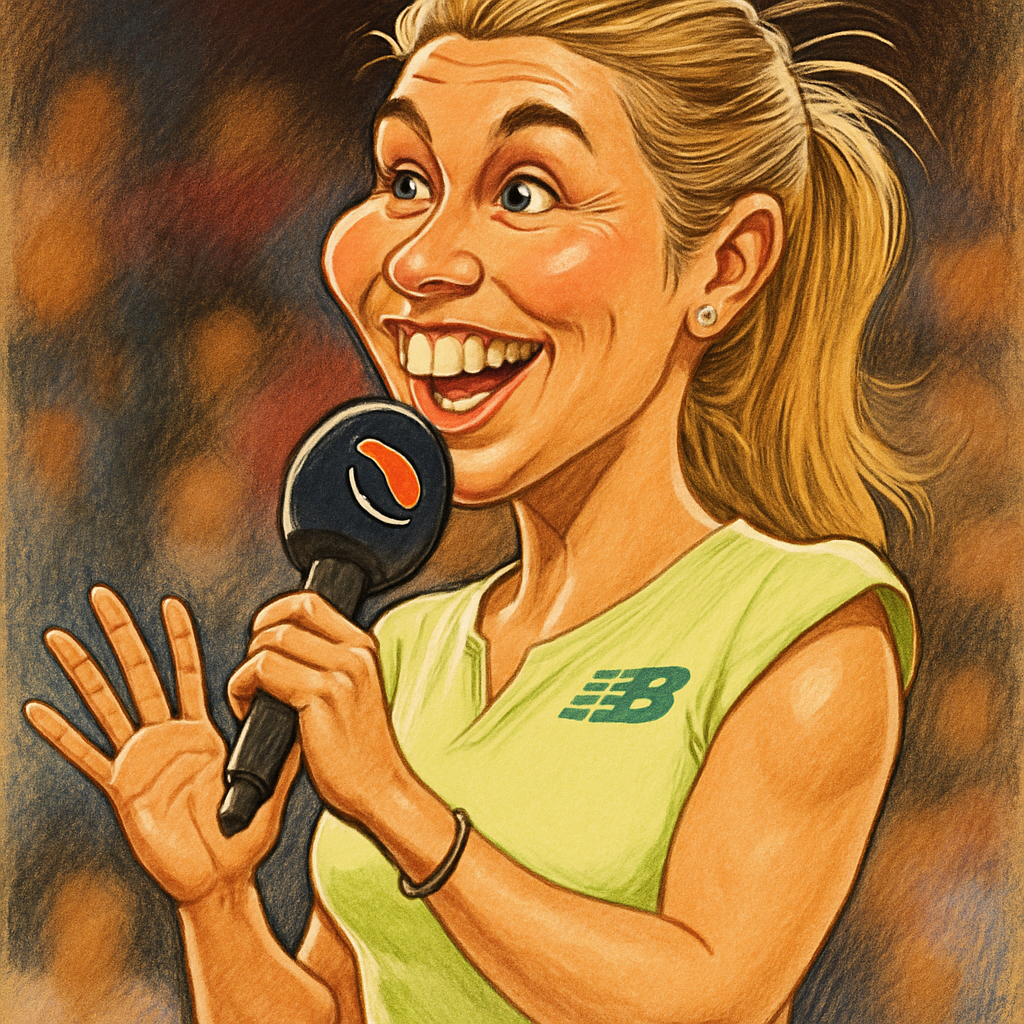
In a move that has surprised the tennis world and her legion of fans, former Wimbledon finalist Eugenie Bouchard has officially embarked on a bold new career path. At 32, the Canadian icon, who once graced the covers of magazines and was a fixture in the sport's top 10, has announced a "risky" pivot into the world of professional pickleball. This transition marks a definitive new chapter for Bouchard, who has stepped away from the WTA Tour to start a fresh life, trading Grand Slam pressure for the fast-growing, yet fiercely competitive, pickleball circuit.
From Centre Court to the Pickleball Court
The announcement came via a vibrant social media post where Bouchard revealed she had signed with the Major League Pickleball (MLP) team, the Las Vegas Night Owls. Her message was one of excitement and candid acknowledgment of the challenge ahead: "New sport, who dis? Taking a RISK and starting a new chapter in my athletic career. Let’s gooo @lvnightowls." This declaration signals a full commitment to a sport that, while exploding in popularity, represents a significant departure from the elite tennis world she inhabited for over a decade.
Bouchard's tennis career was a story of meteoric rise and subsequent struggle with injury and form. In 2014, she became the first Canadian-born player to reach a Grand Slam singles final, doing so at Wimbledon. She also made the semifinals of the Australian Open and French Open that same year, rocketing to a career-high ranking of World No. 5. Her marketability and fearless play made her a global star. However, a concussion suffered from a fall at the 2015 US Open became a pivotal setback, leading to a long and difficult journey with form and confidence.
The Allure and Risk of the Pickleball Transition
For retired tennis players, pickleball has become an increasingly attractive option. The sport offers a competitive outlet, continued athletic engagement, and a chance to build a brand in a rapidly expanding market. However, the transition is not without its perils. The pickleball professional scene is becoming crowded with former tennis stars, and the technical nuances of the game—particularly the soft, strategic "kitchen" play—require a significant adjustment. Bouchard herself labeled the move "risky," a sentiment echoed by analysts.
Sports business commentator Joe Pompliano highlighted the gamble, noting on social media: "Eugenie Bouchard is taking a risk by going all-in on pickleball. She made $6.5M in career tennis earnings, but the last few years have been a struggle. Now, she's betting on herself in a new sport at age 32. High risk, high reward." The reward, however, could be substantial. Top pickleball pros can now earn significant income from tournaments, sponsorships, and exhibition matches, with the sport's audience growing exponentially.
Why Pickleball Appeals to Tennis Stars
The influx of athletes like Bouchard, Jack Sock, and Sam Querrey is not coincidental. Several key factors make pickleball a logical next step:
- Longer Career Window: The lower physical impact allows athletes to compete at a high level well into their 30s and 40s.
- Immediate Name Recognition: Their established fan bases provide instant credibility and draw attention to the sport.
- Entrepreneurial Opportunity: They can help shape a sport in its commercial infancy, securing equity and founding roles.
- Competitive Fire: It offers a new arena to channel their athletic drive and desire to win.
For Bouchard, this represents a chance to redefine her athletic identity. "I'm starting from scratch," she admitted in a recent interview. "I'm a rookie again. It's humbling but also incredibly exciting to learn a new craft and compete in a different environment. The pressure feels different, but the will to win is exactly the same."
The Road Ahead for Genie
Bouchard's first forays into professional pickleball have been a mix of promising flashes and expected growing pains. Competing in MLP and the Professional Pickleball Association (PPA) Tour events, she has shown the powerful groundstrokes and competitive grit that defined her tennis. However, mastering the dink rallies and rapid-fire net exchanges against seasoned pickleball specialists is an ongoing process. Her training now focuses less on grueling five-hour baseline sessions and more on reflexes, touch, and the unique paddle skills the sport demands.
The business side of her career is also evolving. While she maintains some long-term sponsorships from her tennis days, new partnerships are likely to emerge from within the pickleball and active lifestyle sectors. Her social media, once dominated by tennis match points and fashion shoots, now features pickleball drills, behind-the-scenes looks at tour life, and interactions with her new Night Owls teammates.
The reaction from the tennis community has been largely supportive. Fellow players have cheered her on, recognizing the courage it takes to publicly start over in a new arena. Fans have expressed enthusiasm to follow her next chapter, even if it's on a 44-foot court instead of a 78-foot one. As one fan tweeted: "Genie brought us so much excitement in 2014. If she finds that joy and fire again in pickleball, I'm here for it. An athlete's competitive spirit doesn't just vanish."
A Symbol of Sport's Evolving Landscape
Eugenie Bouchard's career shift is more than a personal story; it's a microcosm of a changing sports ecosystem. The rise of alternative professional leagues and niche sports, powered by private investment and digital media, is creating viable second acts for athletes. Pickleball, in particular, stands as a testament to this shift, successfully leveraging the star power of former tennis pros to accelerate its growth and legitimacy.
Whether Bouchard's risk will translate into high reward remains to be seen. Can she climb to the top of the pickleball rankings and claim the kind of dominance she once sought in tennis? The journey will be challenging, but it is undoubtedly a fresh start. At 32, Eugenie Bouchard is not fading away from competition; she is reinventing it for herself, embracing the unfamiliar with the same determined expression that once stared down opponents on the hallowed grass of Wimbledon.
In conclusion, the story is no longer about what was or what could have been in tennis. It is about what is next. As she grips a pickleball paddle instead of a tennis racket, Bouchard is writing a compelling new narrative—one of resilience, adaptation, and the enduring pursuit of athletic excellence, regardless of the court's dimensions or the sport's name.