
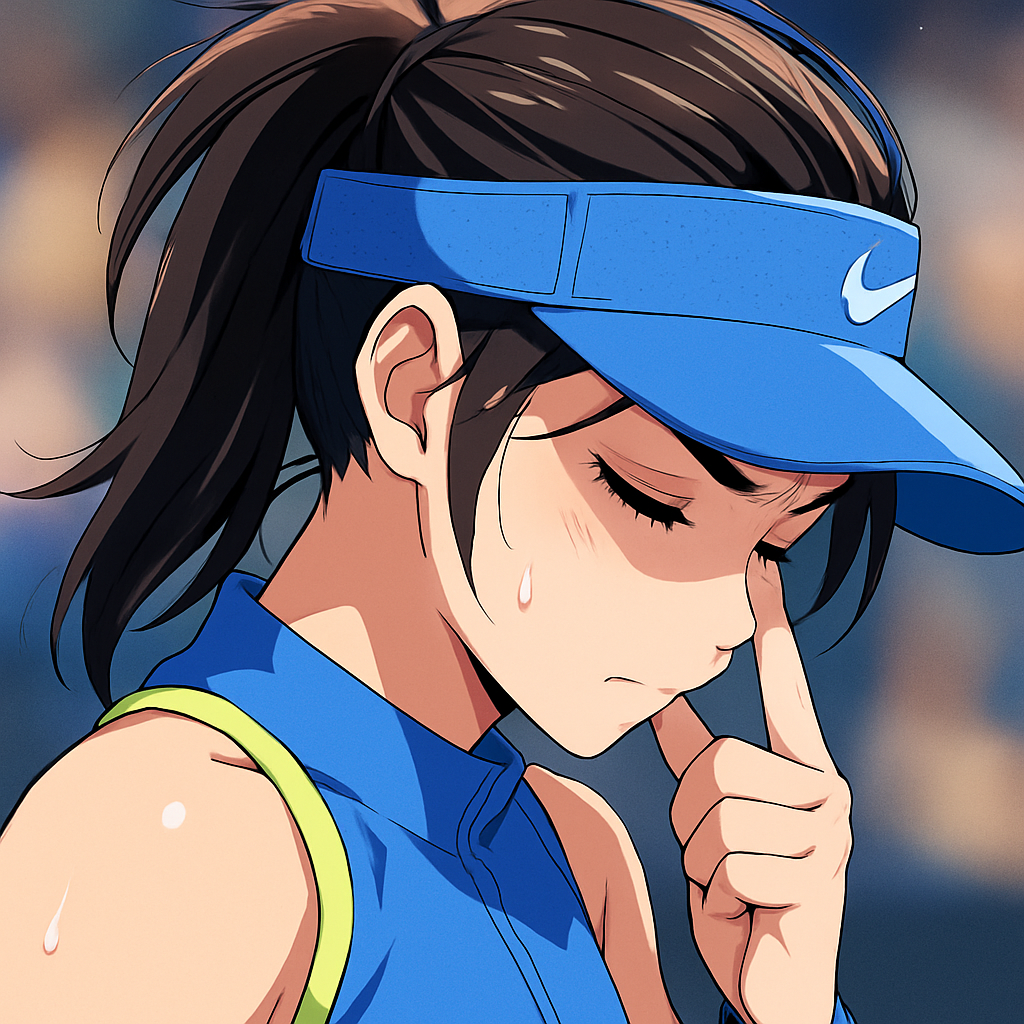
MELBOURNE — The narrative surrounding Emma Raducanu’s career has, for the past three years, been inextricably linked to questions of coaching stability. Following her stunning, coach-less triumph at the 2021 US Open, a revolving door of high-profile mentors has come and gone. The latest departure, that of seasoned coach Jane O'Donoghue, has been thrust back into the spotlight after a telling ten-word comment from O'Donoghue herself in the wake of a controversial incident involving Raducanu at this year's Australian Open.
The Incident: A Medical Timeout Under Scrutiny
During her second-round match against China’s Wang Yafan, Raducanu requested a medical timeout after losing the first set, receiving treatment for what was later described as stomach issues. While medical interventions are common, the timing and nature of this one drew significant criticism from pundits and former players. Commentators noted that Raducanu had just lost a grueling 55-minute set and appeared physically distressed. The break, which lasted nearly ten minutes, seemed to disrupt Wang’s rhythm, and Raducanu returned to break serve immediately and eventually win the match.
The backlash was swift. Former British number one Annabel Croft described it on commentary as "a strategic medical timeout," while other analysts questioned the gamesmanship involved. The incident revived a familiar debate about Raducanu’s physical resilience and the perception of her approach to in-match adversity. It was in this heated context that Jane O'Donoghue, the coach Raducanu parted ways with in late 2023, chose to speak.
The Telling Comment: A Coach's Perspective
Approached for comment by an outlet in the UK, O'Donoghue was asked for her view on the medical timeout controversy and the subsequent scrutiny of her former charge. Her response was brief, pointed, and laden with subtext: "I'm not surprised. It's a pattern of behavior, really."
Those ten words resonated deeply within the tennis community. They were interpreted not merely as a remark on a single incident, but as a damning indictment of a broader, entrenched approach. O'Donoghue, who worked closely with Raducanu during a pivotal post-surgery training block, appeared to be referencing a recurring theme in the young star's career—one that extends beyond forehands and backhands into the realms of professionalism, decision-making, and on-court management.
The Coaching Carousel: A Timeline of Instability
To understand the weight of O'Donoghue's comment, one must revisit the unprecedented turnover in Raducanu's coaching team since her Grand Slam win. Her journey has been a case study in instability:
- Andrew Richardson: The coach who guided her at the US Open was dismissed weeks after the victory.
- Torben Beltz: Lasted just five months before being let go.
- Dmitry Tursunov: A promising partnership ended abruptly after a trial period.
- Sebastian Sachs: Lasted less than a year, parting ways in June 2023.
Jane O'Donoghue, a respected figure known for her work with British talents, was then brought on during Raducanu’s recovery from triple wrist and ankle surgery. The pairing was seen as a potential reset—a move towards a stable, home-nation influence. Its dissolution after just a few months, confirmed quietly before the turn of the year, added another name to the list and raised familiar questions: Is the issue with the coaches, or with the player?
Reading Between the Lines: What "Pattern" Means
O'Donoghue’s reference to a "pattern of behavior" invites speculation. Insiders and analysts have pointed to several potential interpretations, which often intertwine:
- Physical Management: A pattern of niggling injuries and mid-match medical interventions that disrupt opponents' flow.
- Decision-Making: A pattern of sudden, decisive changes in team structure, often after short tenures.
- Expectation Management: A pattern of external scrutiny overshadowing her tennis, often fueled by her own team's changes.
- On-Court Demeanor: A perceived pattern of visible frustration affecting tactical consistency.
The Australian Open incident became a perfect storm that touched on several of these points. It highlighted ongoing physical concerns, sparked debate about gamesmanship, and inevitably led back to the coaching instability that might otherwise provide a steadying hand in such moments. As one veteran coach, speaking anonymously, told The Telegraph: "When there's no long-term, trusted voice in your corner, every small crisis becomes a referendum on your character."
Raducanu's Response and the Path Forward
Raducanu herself has consistently defended her right to make decisions she feels are best for her career. After the match against Wang, she addressed the criticism directly, stating, "I was struggling. I called the physio and then the doctor. I think it was the right call. At the end of the day, you have to look after yourself." She has similarly framed coaching changes as part of a necessary learning process, a search for the right fit as she navigates the unique pressures of her post-US Open life.
However, the public nature of O'Donoghue’s comment marks a shift. It is perhaps the first time a departed coach has so openly—if cryptically—validated the external concerns. It transforms the coaching carousel from a curious footnote into a potential symptom of a deeper issue. The tennis world is now watching to see if Raducanu, currently without a formal head coach and working with the LTA's support, can break the very pattern her former ally alluded to.
The coming months on clay and grass will be critical. Success or failure will no longer be measured solely in wins and losses, but in signs of sustainable development, consistent physical presence on tour, and the cultivation of a stable team environment. As for O'Donoghue, her ten-word verdict hangs in the air, a stark reminder that in professional tennis, relationships forged in the training room can sometimes end with a public parting shot that speaks volumes. The incident in Melbourne was not just about a medical timeout; it was the catalyst that exposed the enduring, unresolved questions about who guides Emma Raducanu, and how she navigates the immense expectations placed upon her.