
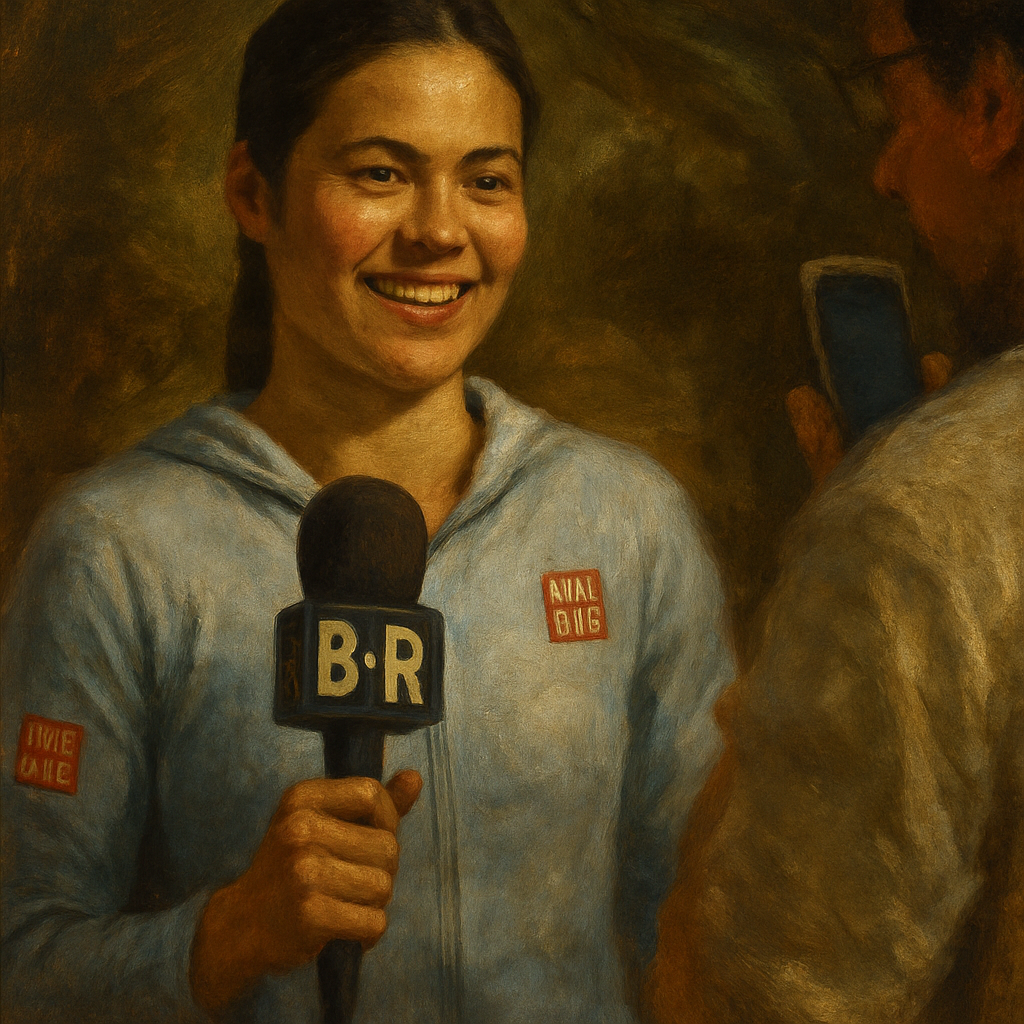
LONDON — Emma Raducanu, the 2021 US Open champion, has declared a decisive end to her search for a permanent coach, stating she is "fed up" of listening to voices that don't align with her own tennis instincts. In a candid revelation ahead of her grass-court season, the 21-year-old Brit outlined a clear and patient action plan for her next appointment, signaling a new chapter of self-reliance and selective partnership.
Raducanu's career has been marked by a revolving door of coaching talent since her historic Flushing Meadows triumph, working with the likes of Andrew Richardson, Torben Beltz, Dmitry Tursunov, and Sebastian Sachs in quick succession. This period of instability, compounded by injuries and fluctuating form, has led to introspection. She now believes that previous setups failed because she was trying to conform to a coach's system rather than finding one who complements her unique game and personality.
The "Fed Up" Moment: A Shift in Philosophy
The shift in Raducanu's mindset became apparent during her recent training block. She described a moment of clarity where she realized the constant change and external noise were hindering, not helping, her development. "I’ve been burned a few times," she admitted, reflecting on past partnerships.
Her new philosophy is rooted in self-belief. "I’m fed up of listening to people, to be honest. I’ve come to the conclusion that I need to just enjoy my tennis and play for myself and not for any other people or to please anyone." This doesn't mean she is abandoning coaching altogether, but rather redefining its role. The coach, in her new vision, is a collaborator, not a commander.
Drawing Up the Action Plan: Patience and Specificity
Raducanu is no longer rushing into a decision. Her action plan is methodical and centers on finding a perfect fit, even if it means going without a full-time coach for the foreseeable future. She is prioritizing her own sense of feel and enjoyment on the court above all else. The plan involves several key stages:
- Short-Term Independence: For the upcoming grass-court tournaments, including Wimbledon, Raducanu will likely continue working with her childhood coach, Nick Cavaday, in a informal capacity, while taking primary ownership of her tactical decisions.
- Extended Trial Periods: Any potential new coach will undergo a lengthy trial. "I’m not going to jump into anything," she stated firmly.
The ideal candidate, as Raducanu envisions, must meet specific criteria that have been absent in previous arrangements. She is looking for more than just technical expertise; she seeks a symbiotic relationship built on mutual understanding and a shared vision for her aggressive, all-court style of play.
The Non-Negotiables for the Next Coach
Raducanu's list of requirements provides a clear blueprint for her team's future recruitment. The successful applicant must:
- Understand Her Game Identity: They must enhance, not overhaul, her natural attacking instincts and flat-ball striking.
- Foster Collaboration, Not Dictation: The dynamic must be a two-way conversation where Raducanu's intuition is valued equally to the coach's instruction.
- Commit to the Long Haul: After so much turnover, stability is paramount. She is seeking a partnership that can weather the inevitable ups and downs of the tour.
- Fit Her Team Culture: They must integrate seamlessly with her existing, tight-knit support group, which includes her agents and physiotherapist.
Playing for Herself: The Path to Enjoyment
At the heart of this new chapter is a simple goal: rediscovering the joy that propelled her to the US Open title. The pressure to meet external expectations, whether from coaches, the media, or the public, has been a significant burden. "I feel like I’m playing for myself and I’m not trying to please anyone anymore," she explained.
This mindset is already showing positive signs. Her recent performances, including a strong run to the quarter-finals of the Stuttgart Open and a spirited fight against world No. 1 Iga Świątek in Stuttgart, have been marked by a freer, more assertive brand of tennis. The decision to skip the French Open qualifiers to focus on grass appears to be a strategic part of controlling her own schedule and priorities.
The tennis world has often scrutinized Raducanu's frequent coaching changes, but her new stance reframes the narrative. Instead of being seen as indecisive, she is positioning herself as a player taking ultimate responsibility for her career. As she put it, "I’m the one hitting the forehand or backhand, I’m the one that has to feel it, and I’m the one that has to be comfortable with it."
Conclusion: A Matured Approach to a Critical Decision
Emma Raducanu's declaration is more than just frustration; it is a statement of intent from a matured athlete. By openly stating she is "fed up" and drawing up a deliberate, patient action plan, she has seized control of her narrative. The search for a coach is now on her terms, guided by the hard-earned lessons from her post-US Open journey. While the right long-term partnership remains a goal, the immediate future is about Emma Raducanu, the player, trusting herself on the court and playing the game on her own terms—a potentially liberating strategy as she aims to climb back towards the top of the sport.