
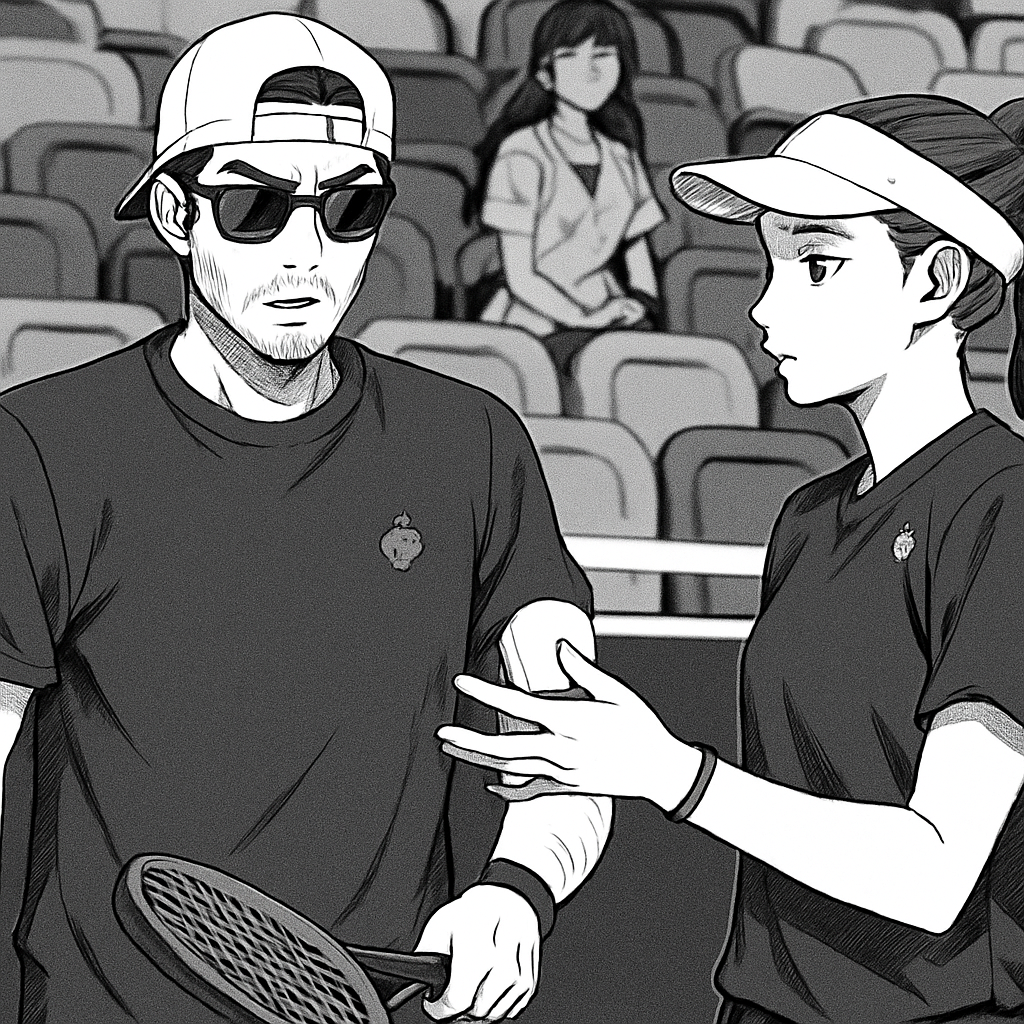
MONTE CARLO — The professional tennis world was taken aback in early 2023 when Elena Rybakina, the reigning Wimbledon champion, found herself navigating the clay-court season without her longtime coach, Stefano Vukov, by her side. The reason was a stunning and rarely invoked penalty: Vukov had been suspended by the ATP and was not allowed to attend matches or be on-site at tournaments. This unprecedented situation cast a shadow over Rybakina's campaign and sparked widespread discussion about coaching conduct and the enforcement of tour rules.
The Incident That Led to a Suspension
The suspension stemmed from an incident during Rybakina's third-round match at the Miami Open in March 2023 against Paula Badosa. Vukov, known for his intense and vocal courtside demeanor, was cited for a "Verbal Abuse" violation directed at the chair umpire, Pierre Bacchi. According to reports and visible on-court footage, a dispute over a line call escalated, leading to Vukov's outburst. The ATP, which oversees the Miami Open, conducted a review and handed down a penalty that went beyond the standard fine. Vukov was suspended for a period, which effectively barred him from attending the subsequent tournaments on the calendar, including the prestigious Monte-Carlo Masters and events in Barcelona and Madrid. This was a significant escalation, moving beyond financial penalties to a tangible competitive hindrance.
For Rybakina, the timing was particularly brutal. She was in the midst of a breakout season, having already reached the final of the Australian Open. The suspension forced an immediate and public separation from the coach who had been instrumental in her rise from a talented but inconsistent player to a Grand Slam champion. The situation highlighted the potential collateral damage of a coach's actions, directly impacting an athlete's preparation and support system at the highest level of the sport.
Rybakina's Forced Solo Journey
In Vukov's absence, Rybakina's team adapted. She was often seen consulting with other members of her support staff, including her physiotherapist and hitting partner. However, the lack of her primary tactician was palpable. Tennis, especially at the elite level, is a sport of fine margins and in-match adjustments. The coach-player dynamic is crucial for strategic pivots and emotional steadiness. During this period, Rybakina's results were mixed; she showed flashes of her powerful best but also suffered unexpected losses. The tennis community watched closely, speculating on the strain this enforced separation might be causing within one of the tour's most successful partnerships.
The suspension brought Vukov's coaching style into sharp focus. He has never been a passive presence in the player's box. His animated instructions and passionate reactions have been a trademark of Rybakina's matches, sometimes drawing criticism for being overly demonstrative. This incident forced a conversation about the line between passionate coaching and unacceptable conduct. Key questions emerged from the situation:
- Where should the tour draw the line on coach behavior?
- Should penalties affect the player as directly as this suspension did?
A Strained Reunion and Eventual Reconciliation
The suspension period eventually ended, and Stefano Vukov returned to the tour in time for the latter part of the 2023 clay season and the grass-court swing. However, rumors of a rift persisted throughout the year. The partnership, which began in 2019, appeared strained under the public scrutiny and the competitive pressure. At the French Open, Rybakina was notably brief when asked about Vukov's return, stating, "For sure it's better that he's here. We work many years together, so of course it's a plus." The comment, while positive, lacked the effusiveness that might have been expected, fueling speculation that the suspension had damaged their trust.
The speculation reached its peak in the offseason. Reports swirled that Rybakina and Vukov had officially parted ways. Social media activity was scrutinized, and neither party made definitive public statements to quell the rumors. For months, the status of one of tennis's top player-coach duos remained a mystery, leaving fans and pundits to wonder if the suspension had ultimately fractured a championship-winning team.
The Surprising Reunion
The answer came not through a press release, but through action. As the 2024 season began, Stefano Vukov was once again firmly entrenched in Rybakina's box. The reunion was confirmed as they worked together at the Brisbane International and the Australian Open. The silence was broken not with grand pronouncements, but with a return to the familiar dynamic of their collaboration. This quiet reconciliation spoke volumes. It suggested that despite the undeniable turmoil of the suspension period, the foundational strength of their partnership—built on mutual respect for their shared goals and a proven track record of success—had ultimately prevailed.
The Lasting Impact and Broader Implications
The saga of Vukov's suspension and the subsequent reunion with Rybakina leaves a lasting mark on the tennis landscape. Firstly, it served as a stark warning to all touring coaches. The ATP demonstrated that egregious violations could result in penalties that materially affect a player's campaign, moving beyond symbolic fines. Secondly, it tested the resilience of a player-coach relationship under extreme external pressure. Rybakina and Vukov navigated a very public crisis, a period of forced separation, and intense rumor-mill speculation, yet found their way back to a productive working relationship.
Their successful reunion in 2024 has been underscored by strong results. Rybakina has maintained her position at the top of the game, winning prestigious titles and consistently challenging for the biggest prizes. The episode seems to have added a layer of resilience to their partnership. In a recent interview, Rybakina reflected on the importance of stability, saying, "We have been through many things, good and not so easy. But in the end, we understand each other very well on the court. That understanding is not something you can rebuild quickly."
The incident also prompted introspection within the tours about the role and regulation of coaches. While passionate support is a part of sports, the line between support and abuse—whether directed at officials, opponents, or even the player—remains a topic of ongoing discussion. The Vukov suspension is a precedent that tour officials can point to when enforcing standards of professional conduct, emphasizing that the credentials of the player being coached do not grant immunity.
Conclusion: A Partnership Forged in Fire
Elena Rybakina and Stefano Vukov's journey through the suspension and back to collaboration is a compelling narrative of adversity, professionalism, and ultimately, reconciliation. It underscores a fundamental truth in elite sports: successful partnerships are often complex and can withstand significant stress. The suspension was a dramatic low point, an external shock that threatened to derail a champion's momentum. Yet, the fact that Rybakina and Vukov reunited speaks to the depth of their professional bond and a shared commitment to achieving greatness. Their story is no longer just about a powerful serve and a meteoric rise; it is also about navigating controversy, weathering uncertainty, and emerging on the other side with a partnership seemingly stronger for having been tested. As Rybakina continues her quest for more major titles, the coach who was once suspended and barred from her matches remains a central figure in her corner, a testament to their enduring and hard-worn alliance.