
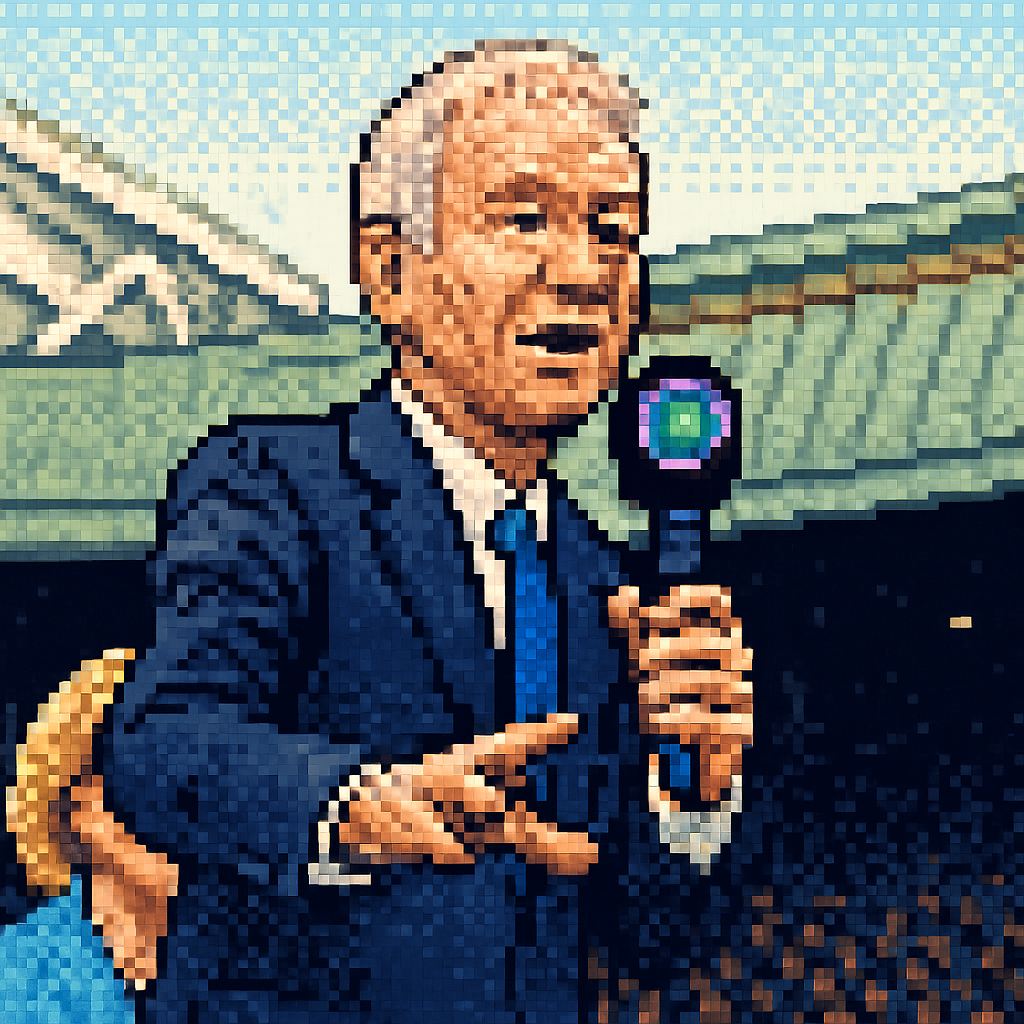
LONDON — A profound sense of unease is spreading through the corridors of the BBC as the corporation faces a mounting crisis over its future as the home of major British sporting events. Following the loss of two more key properties for 2026 and a stark "last warning" over its crown jewel, Wimbledon, staff are reported to be "fearing for the future" of the broadcaster's storied sports division.
The immediate trigger for the alarm is a double blow to the BBC's 2026 sporting calendar. It has been confirmed that the broadcaster will lose the rights to screen both the British Open golf and the Grand National horse racing from that year. The Open is moving exclusively to Sky Sports, while the Grand National, part of the Aintree Festival, will be shared between ITV and Sky. These losses follow the earlier defection of the London Marathon to Sky in a long-term deal, stripping the BBC of another iconic, free-to-air national occasion.
However, the most seismic shockwave comes from the All England Lawn Tennis Club (AELTC). In a candid and unprecedented statement, AELTC Chair Debbie Jevans issued what has been widely interpreted as a final ultimatum regarding Wimbledon's future on the BBC. She warned that while the BBC remains the "partner of choice," the club has a duty to maximize revenue for the benefit of tennis, and the current rights deal, which runs until 2027, must see a significant shift. "The BBC knows that the value of the rights has to be a material change," Jevans stated bluntly.
The Financial Chasm and the Streaming Threat
At the heart of the crisis is a simple, brutal financial equation. The BBC's spending power, derived from a licence fee frozen until 2024 and rising only with inflation thereafter, is being utterly dwarfed by the deep pockets of global streaming giants and pay-TV rivals. The corporation's entire annual sports rights budget is estimated to be in the region of £300-£400 million. In contrast, Sky Sports and TNT Sports spend multiples of that, while a single entity like Amazon Prime Video can commit over £1 billion for just one property, as it did for the Premier League's UK live rights.
This disparity has led to a steady erosion of the BBC's sporting portfolio over the past two decades. The list of events now absent from its schedules is a chronicle of British sporting heritage:
- Live top-flight English football (last held Match of the Day highlights in 2001, lost live FA Cup in 2014, regained a share in 2021).
- England's home cricket tests (lost in 1999).
- Formula 1 (lost live coverage in 2015, now highlights only).
- Six Nations rugby union (lost exclusive live rights in 2002, now shares with ITV).
- The Ryder Cup (last live coverage in 2011).
A senior BBC sports insider, speaking anonymously to the Daily Mail, captured the mood of despair: "There is a real fear for the future. We are being picked off, event by event. The licence fee model cannot compete with the subscription and advertising models of our rivals. When something like Wimbledon goes, the very purpose of the BBC is called into question."
Wimbledon: The Last Redoubt Under Siege
Wimbledon is not just another sporting event for the BBC; it is a cultural institution intertwined with British summer identity. The partnership dates back to 1927, with the iconic voice of commentators like Dan Maskell and the restrained style of presentation becoming part of the tournament's fabric. The BBC currently pays around £65 million per year for its rights. While this is a substantial sum, industry analysts believe the AELTC could command over £100 million annually in an open market auction, with streaming services like Amazon, Disney+, or DAZN likely bidders.
Debbie Jevans's comments make clear the AELTC's patience is wearing thin. The club faces immense financial pressures of its own, funding grassroots tennis, maintaining its facilities, and pursuing ambitious projects like the expansion into neighbouring Wimbledon Park Golf Club. The BBC's historical status and unparalleled reach—providing blanket free-to-air coverage across TV, radio, and online—are no longer sufficient arguments on their own. "We are very proud of our relationship with the BBC," Jevans said, "but we have to weigh that up against our responsibility to grow the sport of tennis."
The "Crown Jewels" Protection: A Fraying Safety Net
The UK's "Crown Jewels" sports legislation is designed to protect events of national significance by ensuring they are available on free-to-air television. Wimbledon is on the "Category B" list, meaning highlights must be offered free-to-air, but live coverage is not protected. This provides a crucial loophole. The AELTC could, in theory, sell the exclusive live rights to a pay-TV operator, while mandating they sub-license a highlights package to a free broadcaster like the BBC or ITV. This model is already used for events like the Olympics and cricket's The Hundred.
The potential loss of live Wimbledon would represent a symbolic and practical catastrophe for the BBC. It would sever one of its last remaining direct, live connections to a mass, cross-generational audience for a two-week period every summer. The fear internally is that without Wimbledon, the argument for the universality of the licence fee weakens further, potentially accelerating a move towards a subscription model the corporation is desperate to avoid.
Strategic Crossroads and Internal Angst
In response to the crisis, BBC Director-General Tim Davie has championed a strategy of "fewer, bigger, better" in sports, focusing resources on events where the BBC can offer unique value and secure long-term partnerships. The recent extension of the Olympic Games rights until 2032 is a prime example of this. However, this strategic retreat is a bitter pill for staff who see it as managing decline rather than pursuing a vibrant future. The loss of "bread-and-butter" events like the Open and Grand National, which attract large, loyal audiences, is seen as particularly damaging to the BBC's public service remit.
The coming years will be decisive. The BBC must negotiate a new Wimbledon deal under the intense glare of public and political scrutiny. Failure would be unthinkable, but success will come at a staggering cost, forcing painful cuts elsewhere in its budget. As one veteran BBC sports producer lamented: "We're becoming a highlights service of other broadcasters' live events. We used to be where the nation lived the moment. Now, we're often just showing you what you missed. For an organization built on live broadcasting, that's an existential threat."
The warning shots have been fired. The BBC's role as the communal heart of British sporting life is hanging in the balance. The fight for Wimbledon is no longer just about tennis rights; it is a battle for the soul and the survival of the BBC as a universal broadcaster in the digital age. The fear among its staff is palpable, rooted in the grim realization that the financial forces arrayed against them may finally be too powerful to resist.