
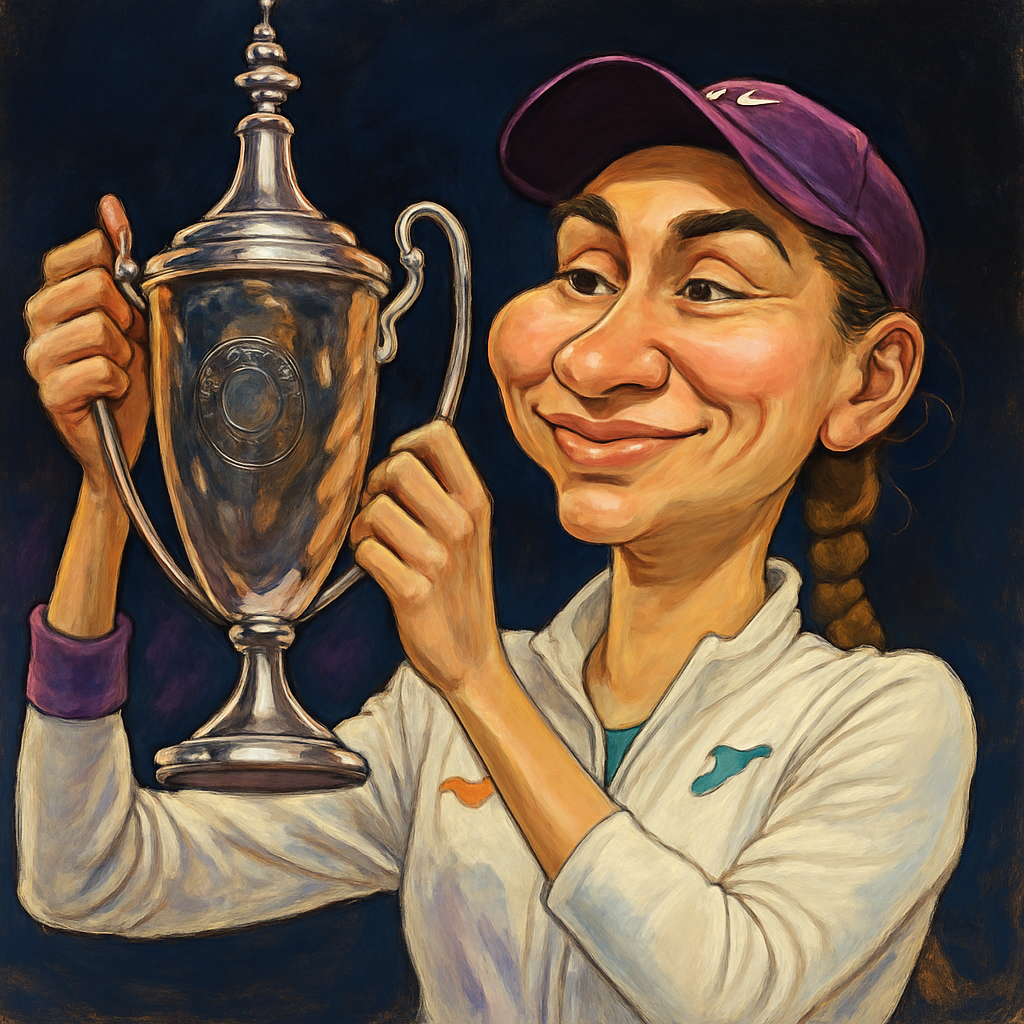
LONDON — The moment was meant to be one of pure celebration. Elena Rybakina had just clinched the 2024 Rothesay International title in Eastbourne, a final, confidence-boosting triumph before Wimbledon, and with it, the single largest paycheck in the history of women's tennis—a staggering $1 million. But as WTA Tour CEO Portia Archer stepped onto the court for the traditional trophy ceremony photo, the champion made a quiet, deliberate, and telling move. Rybakina refused the photo.
The awkward scene, captured on live television and dissected across social media, was not a spontaneous act of rudeness. Instead, it was the latest and most public manifestation of a deep-seated rift between the world's top players and the WTA leadership. For Rybakina and her team, the snub was a silent protest, a statement of profound dissatisfaction with the tour's management, particularly regarding the controversial and grueling schedule that they believe prioritizes profit over player well-being.
The Million-Dollar Payday and the Silent Protest
The context of the record-breaking prize money is crucial. The $1 million award was part of a new "Profit Share Program" initiative, a cornerstone of Portia Archer's strategy to revitalize the WTA's finances. While presented as a boon for players, the program is intrinsically linked to an expanded and more demanding tournament calendar. For Rybakina, who has been vocal about the physical toll of the tour, accepting the check was one thing; smiling for a promotional photo with the architect of the very system she opposes was another.
Her coach, Stefano Vukov, did not mince words when asked about the incident. He stated, "Elena's health and longevity in this sport are our absolute priority. We cannot, in good conscience, participate in a photo that suggests everything is perfect when players are being run into the ground. This was a principled stand."
A Pattern of Dissent and Player Frustration
Rybakina's action is not an isolated event. It follows a growing chorus of complaints from top players, including Iga Swiatek and Ons Jabeur, about the relentless nature of the modern WTA tour. The 2024 schedule has been a particular flashpoint, with players citing:
- An increase in mandatory 1000-level tournaments, forcing top players to compete nearly year-round.
- Insufficient recovery time between major events, leading to a spike in injuries and withdrawals.
- A perceived lack of consultation with the Player Council on decisions that directly impact their physical health.
World No. 1 Iga Swiatek has been perhaps the most vocal critic. Earlier this year, she publicly lamented the schedule, saying, "It's pretty sad that we have to kind of fight with the WTA to make our points, especially before the season. We thought they would listen to us a little bit more, but it's not the case." This sentiment echoes the frustration felt by Rybakina, who has struggled with recurring illness and injury throughout the season, forcing her to withdraw from several key events.
The WTA's Stance and the Business of Tennis
In response to the incident, a WTA spokesperson released a statement emphasizing the organization's commitment to its players: "The WTA is continuously working to balance a world-class global schedule that provides earning opportunities for athletes while also prioritizing their health and safety. We respect Elena's competitive spirit and look forward to ongoing dialogue with all our players."
However, from the WTA's perspective, the financial pressures are immense. The tour is still recovering from pandemic-related losses and is in a fierce battle for market share with the ATP. CEO Portia Archer, a former executive from the NBA, was brought in specifically to boost commercial revenue. The expanded calendar and the Profit Share Program are central to this strategy, designed to increase the tour's value for broadcasters and sponsors. A source close to the WTA leadership commented, "Portia's mandate is to secure the financial future of the tour. These are tough, sometimes unpopular, business decisions."
The Physical Toll on the Athletes
The core of the players' argument is physiological. The women's game is more physically demanding than ever, with powerful baseline hitters like Rybakina exerting tremendous strain on their bodies. A condensed schedule leaves little room for proper recovery, increasing the risk of stress-related injuries. Rybakina's 2024 season is a case study:
- She withdrew from the Dubai Duty-Free Tennis Championships due to a gastrointestinal illness.
- She pulled out of the Miami Open, citing a recurring shoulder issue.
- She was visibly fatigued during early-round exits at several European clay-court events.
Her refusal to take the photo was, therefore, a culmination of these experiences. It was a non-verbal way of saying that no amount of money can compensate for a system that she feels compromises her ability to perform at her best and maintain her health. As one veteran tennis analyst put it, "That wasn't just Rybakina being difficult. That was an athlete at her breaking point, using the only leverage she had in that moment—her presence."
What Happens Next?
The fallout from Eastbourne has created a significant public relations challenge for the WTA. While the tour is unlikely to fine Rybakina for her actions, the incident has galvanized the player base. It has given a public face to what was previously behind-the-scenes grumbling, turning it into a clear, undeniable statement of player unrest.
The pressure is now on Portia Archer and the WTA Board of Directors to address these concerns more substantively. The players are not just seeking minor adjustments; they are asking for a fundamental re-evaluation of the tour's structure. The upcoming North American hardcourt swing and the end-of-season championships will be critical tests. If more top players withdraw or voice public criticism, the WTA may be forced to choose between its immediate financial goals and the long-term health of its biggest stars.
In the end, Elena Rybakina's silent protest on the grass courts of Eastbourne spoke volumes. It highlighted a critical juncture for women's tennis, where the pursuit of commercial growth is colliding with the fundamental well-being of the athletes who are the product. The refused photo was more than a moment of awkwardness; it was a powerful symbol of a tour at a crossroads, and a clear message that the players will no longer suffer in silence.