
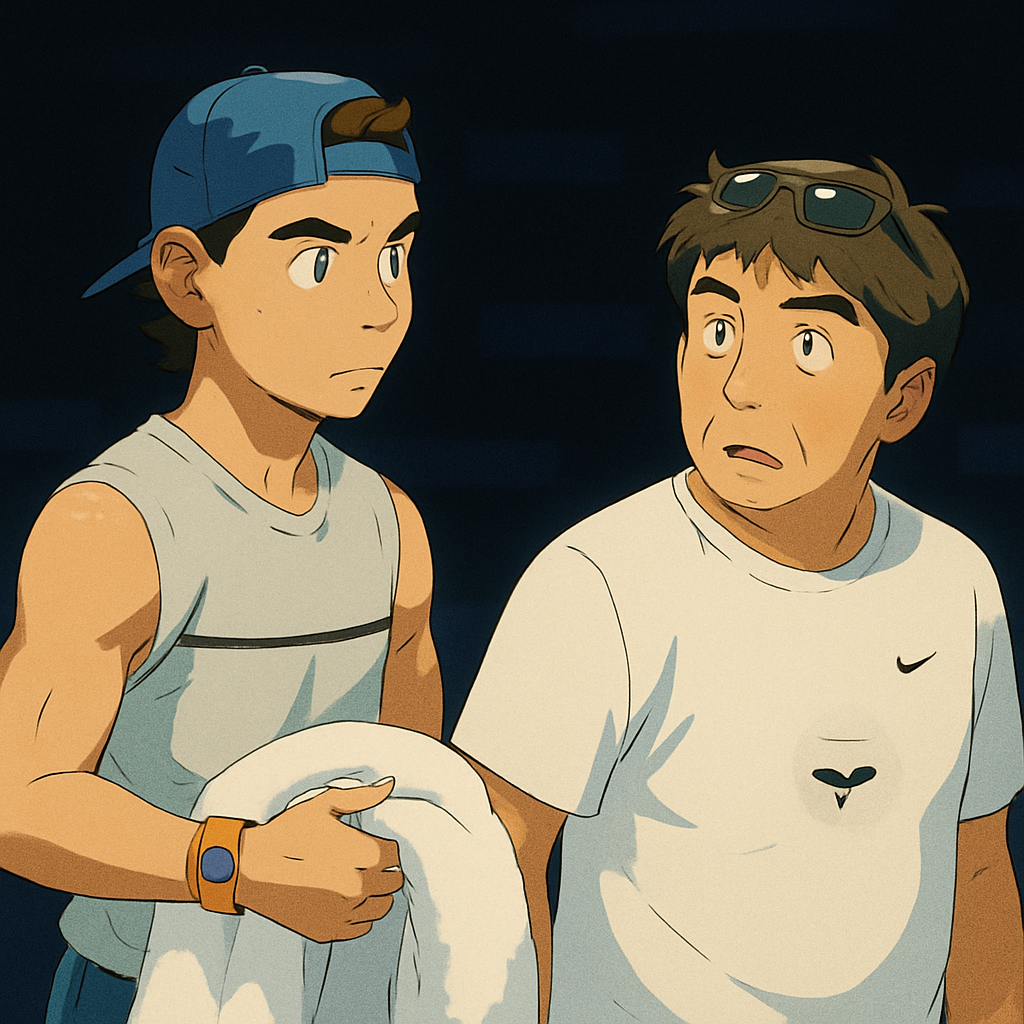
MANACOR — The tennis world was taken by surprise in late April when Carlos Alcaraz, the two-time Grand Slam champion and heir apparent to the 'Big Three', announced a temporary split from his longtime coach, Juan Carlos Ferrero. The decision, framed as a mutual agreement to take a break, sent ripples of speculation through the sport. In the ensuing debate, one of the most respected voices in Spanish tennis, Rafael Nadal's uncle and former coach Toni Nadal, has offered a sobering perspective, delivering what many see as a necessary reality check to the young superstar.
Alcaraz, who has been guided by Ferrero since he was 15, explained that the intense schedule and the physical demands of the tour had limited Ferrero's availability. The 2003 Roland Garros champion would step back temporarily, with former world No. 1 Samuel López joining Alcaraz's team for the Madrid Open and the upcoming Italian Open. While the move was presented as pragmatic, it inevitably sparked questions about the state of the player-coach relationship that had propelled Alcaraz to World No. 1 and major titles at the US Open and Wimbledon.
Toni Nadal's Candid Assessment
Toni Nadal, the architect of his nephew Rafael's legendary career and now a contributor to Spanish media, did not mince words when asked about the split. In his column for El País, he framed the decision within the harsh realities of elite sport, suggesting it was a sign of deeper issues. "A separation is never good news," he wrote, setting a tone of concern rather than celebration.
Nadal's core argument was that in the highly competitive world of tennis, stability and trust within a team are paramount, especially for a player of Alcaraz's caliber who is expected to dominate for years to come. He implied that a "temporary" break often masks more permanent underlying problems. "When things go well, no one considers changing," he noted pointedly, suggesting that the timing of the split, amidst a season where Alcaraz has struggled with form and injury, was telling.
The Pressure of Expectations and the Search for Solutions
Alcaraz's 2024 season has been a far cry from his blistering 2023. Plagued by a persistent right arm injury that hampered his clay-court preparation, he arrived in Madrid without a title since his stunning Wimbledon victory the previous July. His early exits in tournaments like Buenos Aires, where he lost in the semifinals, and Monte Carlo, where he fell in the quarterfinals, highlighted a dip in consistency. Toni Nadal connected these on-court struggles directly to the coaching change.
"Carlos Alcaraz has not been performing at his expected level for some time, and it is logical that he and his team are looking for solutions," Nadal stated. His verdict was clear: the split from Ferrero is less about scheduling and more a reactive measure to a performance crisis. This framing shifts the narrative from a simple logistical adjustment to a potential moment of crisis management for the young Spaniard.
What Alcaraz May Be Missing
Beyond diagnosing the problem, Toni Nadal, drawing from his decades of experience building a champion in Rafael, hinted at what Alcaraz might be losing with Ferrero's absence. He emphasized Ferrero's unique value not just as a tactician, but as a mentor who had lived the very life Alcaraz is now navigating. Key qualities Nadal highlighted include:
- Proven Champion Mentality: Ferrero's own Grand Slam win and rise to World No. 1 give him an intrinsic understanding of the psychological pressure at the summit of the sport.
- Technical & Tactical Authority: His deep knowledge of the game, particularly on clay, has been fundamental in shaping Alcaraz's aggressive, all-court style.
- Established Trust: A nearly seven-year relationship builds a level of communication and faith that is irreplaceable and often the bedrock of longevity in tennis.
Nadal's implicit warning is that while a new voice like Samuel López can provide a short-term spark, it cannot instantly replicate the deep, nuanced understanding Ferrero possesses. "The person who has directed your career for many years knows you better than anyone," he asserted, underscoring the potential risk in disrupting such a successful partnership during a turbulent period.
The Road Ahead and a Word of Caution
The immediate test for Alcaraz's new temporary setup was the Madrid Open, his home tournament where he was the two-time defending champion. While he showed flashes of brilliance, his campaign ended in the quarterfinals with a straight-sets loss to Andrey Rublev. The performance did little to quell the doubts raised by Toni Nadal. All eyes now turn to Roland Garros, where Alcaraz will aim to reclaim his momentum on the sport's biggest clay stage.
In his concluding thoughts, Toni Nadal delivered his starkest reality check, framing the situation as a critical juncture in Alcaraz's young career. He moved beyond the specific split to issue a broader challenge about resilience and focus. "Carlos Alcaraz has to understand that his career will be long and that he will have to face many difficult moments," he wrote, drawing a parallel to the relentless challenges his own nephew faced. "The important thing is not to look for excuses or external culprits, but to look within oneself, work harder, and maintain confidence in one's game and team."
This final point is the essence of Toni Nadal's message. By publicly questioning the wisdom of the split and linking it to Alcaraz's recent struggles, he is challenging the 20-year-old to avoid the trap of seeking quick fixes. The path of a champion, as the Nadal dynasty knows better than most, is built on unwavering commitment to a trusted process, even—and especially—when the results temporarily dry up. The tennis world now watches to see if Carlos Alcaraz will treat this episode as a minor adjustment or heed the sobering counsel from one of the sport's wisest minds.