
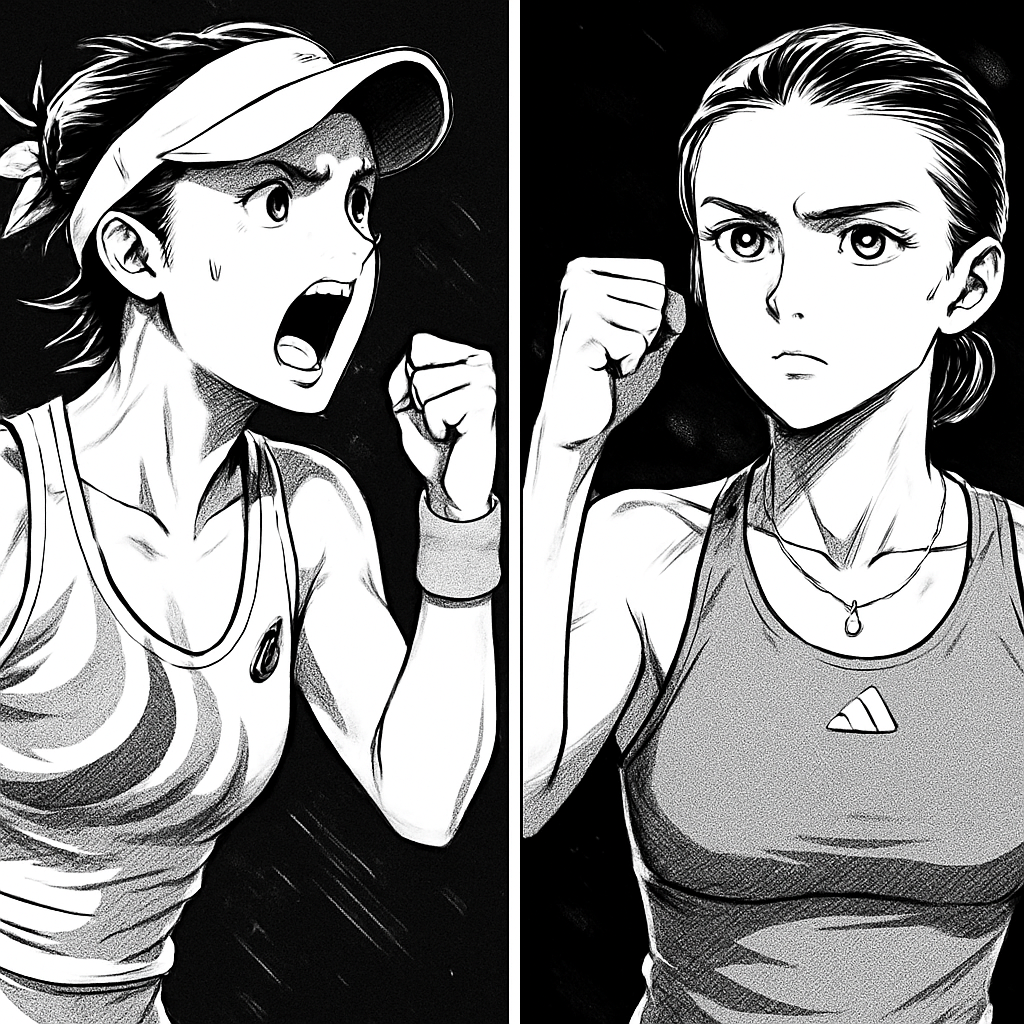
LONDON — In a landmark moment for women’s tennis and for working mothers everywhere, the latest WTA rankings have etched a new chapter in the sport’s history. For the first time, two mothers, Belinda Bencic and Elina Svitolina, are ranked inside the world’s top 10 simultaneously. This achievement transcends athletic performance, serving as a powerful testament to resilience, strategic planning, and the evolving support systems within professional sports.
Bencic, the 27-year-old Olympic champion from Switzerland, returned to the tour in April 2023 after giving birth to her daughter, Bella. Svitolina, 29, of Ukraine, made her own comeback in April 2022 following the birth of her daughter, Skai, amid the ongoing war in her home country. Their parallel journeys back to the pinnacle of the game have culminated in this unprecedented statistical milestone, shattering long-held perceptions about the compatibility of elite athletic careers and motherhood.
The Road Back: More Than a Comeback
The path to a top-10 ranking is arduous for any player, but for a returning mother, the challenges are multiplied. The physical transformation of pregnancy and childbirth requires a meticulously planned and patient rebuilding process. Beyond the physical, there is the mental and logistical overhaul: integrating travel with an infant, managing sleep deprivation, and rekindling the competitive fire after a life-altering priority shift. Both Bencic and Svitolina have been vocal about the holistic nature of their returns.
Svitolina’s comeback has been particularly poignant. She returned not just as a mother, but as a symbol of Ukrainian resilience, donating her prize money to aid her nation. Her run to the Wimbledon semifinals in 2023, where she defeated top players including World No. 1 Iga Świątek, was a stunning declaration of her champion’s mentality. "Becoming a mother changed my perspective," Svitolina has said. "I play for my daughter, for my country. The pressure feels different, more meaningful, and in a way, it has made me stronger."
Bencic, known for her crisp, technically flawless ball-striking, focused on a gradual return. She prioritized fitness and match rhythm, opting for a sensible schedule rather than an immediate plunge into the deep end. Her methodical approach paid dividends with a title win in Adelaide earlier this year and consistent deep runs, proving her game had not only returned but evolved. "I have a new balance in my life," Bencic noted. "Tennis is my job, and I am very professional, but now I have this beautiful thing waiting for me off the court. It actually helps me switch off and be fresher for my matches."
A Shift in the Sport's Landscape
This historic moment did not occur in a vacuum. It reflects a significant, albeit gradual, shift in the infrastructure and attitudes within professional tennis. The WTA’s updated rules regarding maternity leave and protected ranking have been crucial. Players can now freeze their ranking for up to two years following childbirth and use that ranking for entry into tournaments upon their return, offering a critical safety net that did not always exist.
Furthermore, the visible successes of trailblazers like Serena Williams and Victoria Azarenka, who returned to Grand Slam finals after motherhood, have paved the way. They normalized the conversation and demonstrated the possibility. Now, Bencic and Svitolina are normalizing the presence of multiple mothers at the very top of the game week-in, week-out. Their success is reshaping the narrative for the next generation of players.
The practical realities of touring as a mother have also become more manageable, though still demanding. Key factors include:
- Increased Support: More players travel with a nanny or family member, creating a mobile support system.
- Tournament Accommodations: Many events now offer better facilities for families, recognizing the needs of athlete-parents.
- Peer Support: A growing community of mother-players provides a shared understanding and advice network that previous generations lacked.
The Ripple Effect and Future Implications
The impact of Bencic and Svitolina’s dual presence in the top 10 extends far beyond a ranking line. It sends a powerful message to young girls and women in sports: that family and world-class achievement are not mutually exclusive. It challenges sponsors and tournaments to continue improving their support structures. Most importantly, it adds a profound layer of inspiration to their matches; they are now competing not just for titles, but as role models for a global audience.
Tennis legend and fellow mother Chris Evert, who returned to World No. 1 after having a child, hailed the moment: "This is one of the most significant milestones in women's tennis. For years, motherhood was seen as the end of a top career. Belinda and Elina are proving it can be a new beginning, a source of strength. They are playing some of the best tennis of their lives, and that speaks volumes."
Looking ahead, this milestone may accelerate change. It puts pressure on all sports organizations to examine their parental policies. It encourages more open discussions about the female athlete’s lifecycle. And for aspiring champions, it visually expands the horizon of what is possible, demonstrating that the journey to the top can have many chapters, with motherhood being one that enriches rather than diminishes an athlete’s potential.
Conclusion: A Celebration of Modern Excellence
The simultaneous top-10 ranking of Belinda Bencic and Elina Svitolina is more than a statistical novelty; it is a celebration of modern athletic excellence in its fullest form. They have mastered the ultimate balancing act, combining the demands of parenthood with the extreme rigors of the WTA Tour. Their success is a victory for perseverance, a nod to improved institutional support, and a beacon for the future. They are not just top-10 tennis players; they are top-10 tennis players who are mothers, and in making history, they have forever changed the game's perception of what a champion looks like.