
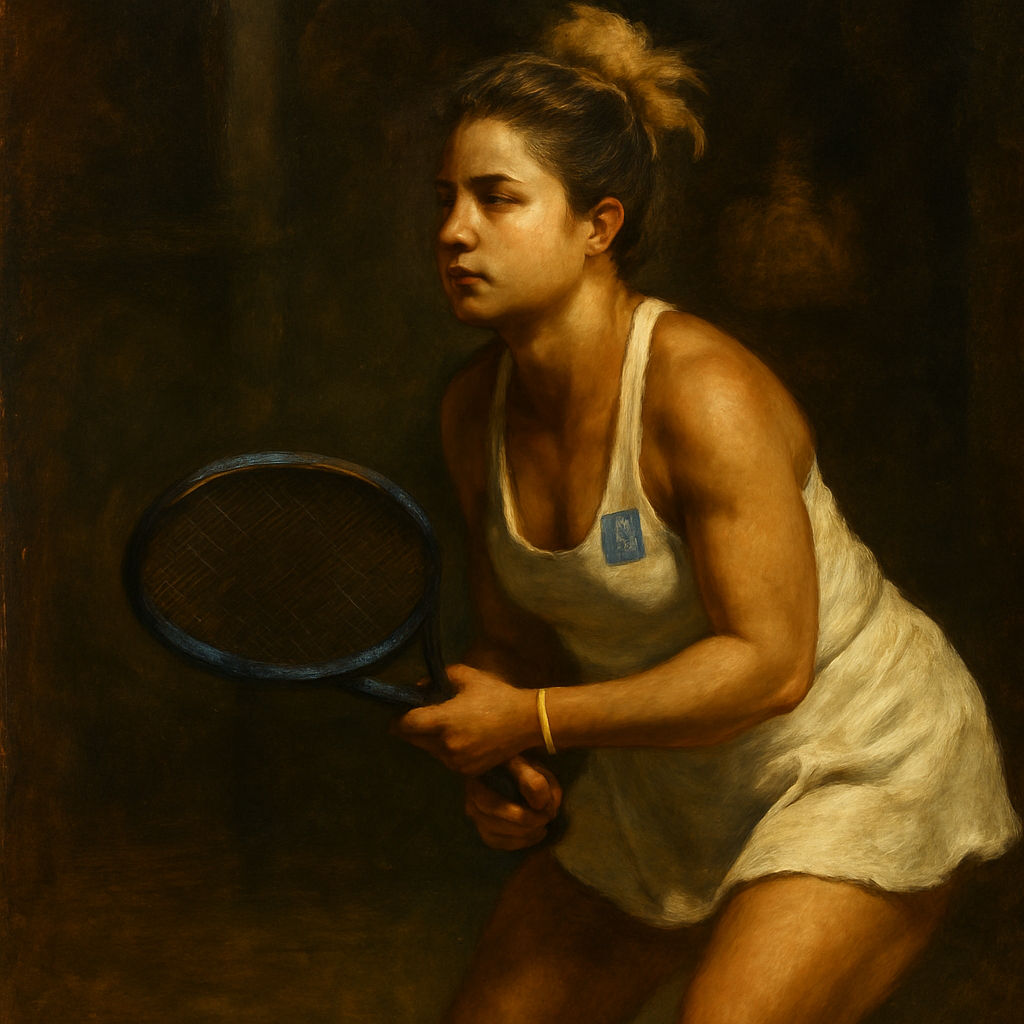
MELBOURNE — Mexican tennis star Renata Zarazua has made headlines at the Australian Open, but not just for her performance on the court. The 26-year-old, who is competing in her third main draw at Melbourne Park, recently shared a powerful and vulnerable topless photo on social media, revealing a significant scar from a recent medical procedure. The post came after Zarazua disclosed a worrying health concern that threatened her participation in the season's first Grand Slam.
A Scare Before the Slam
Just weeks before the start of the Australian Open, Zarazua experienced a health scare that required immediate attention. In an emotional Instagram post, the world No. 98 revealed she had undergone surgery to remove a potentially cancerous mole from her back. The procedure, while successful, left her with a prominent scar and a profound sense of gratitude for early detection. "A few weeks ago, I had a mole removed that could have been something more serious," she wrote alongside the striking image.
The photograph, which shows Zarazua from behind with her tennis racket held across her shoulders, deliberately highlights the scar on her upper back. It’s a raw and intentional display of vulnerability from an athlete whose profession celebrates physical perfection. "This scar is now a part of my story," she stated, framing the experience not as a setback, but as a pivotal moment of awareness.
The Road to Melbourne Park
Despite the physical and emotional toll of the procedure, Zarazua’s determination to compete in Melbourne never wavered. Her journey to this year’s Australian Open was hard-fought, requiring her to navigate three grueling rounds of qualifying. She secured her main-draw spot with a decisive 6-1, 6-2 victory over Hungary’s Dalma Galfi. This marks her third appearance in the Australian Open main draw, with her best previous result being a first-round exit in 2021 and 2024.
Zarazua’s career has been characterized by resilience. As Mexico’s top-ranked female player, she carries the hopes of a nation not traditionally known for its tennis prowess. Her path has been one of steady progression through the ITF and Challenger circuits, with her current ranking hovering near her career-high. The health scare, however, provided a stark reminder of life beyond the baseline. In her social media message, she emphasized the importance of health checks, writing: "Please take care of yourselves and get checked. Our health is the most important thing we have."
A Message Beyond Tennis
The decision to share such a personal medical journey publicly is part of a growing trend among athletes who use their platform for health advocacy. Zarazua’s post serves multiple purposes:
- Raising Awareness: It underscores the critical importance of skin checks and early detection of melanoma, a serious form of skin cancer.
- Redefining Strength: It challenges the stereotype of the invincible athlete, showing that strength also lies in acknowledging vulnerability and facing fear.
- Personal Empowerment: By displaying her scar without shame, she reclaims her body’s narrative, transforming a mark of illness into a symbol of survival and readiness for battle on the court.
The response from fans and fellow players was overwhelmingly supportive, flooding her comments with messages of admiration and shared stories. Fellow WTA player Kaja Juvan commented, "So strong. Proud of you," encapsulating the sentiment of the tennis community.
Focus on the First Round
With the emotional revelation behind her, Zarazua has now shifted her full focus to the competition at hand. Drawn in the first round against Romanian player Ana Bogdan, the world No. 64, Zarazua faces a tough but winnable match. Bogdan is a seasoned competitor, but Zarazua’s recent fight through qualifying and her newfound perspective could provide a unique mental edge. A victory would mark her first-ever Grand Slam main draw win, a milestone that would undoubtedly carry extra significance after her off-court battle.
Her coach, former Mexican player Santiago González, has noted a shift in her mentality. "Renata has always been a fighter, but this experience has added a new layer of calm and purpose," he said in a pre-tournament interview. "She’s playing with gratitude, and that can be a powerful thing." This perspective is evident in Zarazua’s own words, where she connected her health journey to her professional one: "I step onto the court now knowing I’ve already won the most important match."
A Broader Conversation on Athlete Health
Zarazua’s experience opens a necessary dialogue about the immense physical and psychological pressures professional athletes face, often in silence. The relentless travel, sun exposure, and stress inherent to the tour can take a significant toll, making proactive health management essential. Her public sharing joins a chorus of athletes, like Canadian tennis star Rebecca Marino who has spoken openly about mental health, in breaking down stigmas and encouraging others to prioritize their well-being.
The WTA, for its part, has initiatives in place for player health, including access to dermatological screenings at certain tournaments. Zarazua’s story highlights the importance of these services and the role players themselves have in advocating for their own care. It’s a reminder that the pursuit of athletic glory should not come at the expense of long-term health.
Conclusion: Playing With Purpose
As Renata Zarazua walks onto the sun-drenched courts of Melbourne Park, she carries more than just her racket bag. She carries the visible reminder of a health scare faced and overcome, and a powerful message for her fans and peers. Her Australian Open campaign is no longer just about rankings or prize money; it’s a testament to resilience. Whether her run lasts one match or longer, Zarazua has already made a profound impact, using her platform to champion a cause far greater than tennis. In sharing her scar, she has shown that sometimes, the most powerful aces are served not with a racquet, but with courage and a willingness to be seen, truly seen, both in strength and in vulnerability.